90% of serotonin is produced in your gut. Discover the gut-brain connection.
The connection between your gut and your brain is not metaphorical — it is anatomical, biochemical, and bidirectional. The gut-brain axis is a complex communication network involving the enteric nervous system (the 'second brain' — 500 million neurons embedded in the gastrointestinal tract), the vagus nerve (the primary information highway between gut and brain), the immune system, the endocrine system, and the gut microbiome itself. This network processes and transmits signals continuously, in both directions, influencing mood, cognition, behavior, and physiological responses far beyond digestion.
The scale of gut-brain communication is staggering. The enteric nervous system contains as many neurons as the spinal cord and operates largely autonomously — it controls digestion, gut motility, and local immune responses without requiring input from the brain. The vagus nerve carries approximately 80 percent of its signals upward from gut to brain (afferent signals), rather than downward — meaning your gut is constantly reporting its status to your central nervous system, influencing your emotional state, stress response, and cognitive function in real-time.
## Serotonin: Your Gut-Made Happiness Chemical
"90% of your serotonin is produced in your gut — not your brain. What you eat is literally the raw material for your happiness, calm, and emotional resilience."

Detox Yourself
A complete video guide to safe, effective detoxification.
Serotonin is often described as the brain's 'feel-good' neurotransmitter, but this characterization is incomplete and somewhat misleading. Approximately 90 to 95 percent of the body's total serotonin is produced not in the brain but in the gut — specifically by enterochromaffin cells in the intestinal lining, a process regulated critically by gut bacteria. Gut-derived serotonin influences intestinal motility, blood clotting, bone density, and cardiovascular function. While gut serotonin does not cross the blood-brain barrier, it communicates with the brain indirectly through the vagus nerve and immune signaling.
Predict How Food Affects Your Body
Before You Eat.
Log glucose readings, energy levels, and sleep quality to build your personal metabolic fingerprint. Our platform then predicts the glucose spike, energy impact, and metabolic score of any meal before you eat it — and suggests real-time tweaks like 'add avocado to blunt the glucose spike' right on the meal card.
Smarter than calorie counting. Two meals with identical calories can have wildly different effects on your energy, cravings, and fat storage. Metabolic Intelligence reveals the difference.
Free to use · No credit card required

Gut bacteria directly stimulate serotonin production. Research published in Cell showed that specific gut bacteria — particularly spore-forming Clostridia species — produce short-chain fatty acids and secondary bile acids that activate enterochromaffin cells to synthesize and release serotonin. Germ-free animals with no gut bacteria have dramatically reduced intestinal serotonin levels. This finding directly links microbiome health to serotonin availability, and by extension to mood regulation, sleep quality, and appetite control.
"The gut-brain axis communicates 24 hours a day via the vagus nerve, hormones, and microbial metabolites. Every meal is a conversation with your nervous system."
Tryptophan — the amino acid precursor to serotonin — provides the other half of this picture. Tryptophan from dietary protein must first be absorbed and transported to the brain, where it is converted to serotonin. But gut bacteria influence how much tryptophan reaches the brain versus being metabolized through other pathways (particularly the kynurenine pathway, associated with inflammation and depression). A dysbiotic microbiome shifts tryptophan metabolism toward kynurenine and away from serotonin — offering a biochemical explanation for the association between gut dysbiosis and depression.
## The Inflammation-Depression Link
One of the most significant discoveries in psychiatry over the past two decades is that depression is not simply a serotonin deficiency — it is also an inflammatory condition. Meta-analyses have consistently found elevated levels of pro-inflammatory cytokines (particularly IL-6, IL-1β, and TNF-α) in people with major depressive disorder. These inflammatory signals originate in multiple places in the body, but the gut is increasingly recognized as a primary source.
"Research in Nature Microbiology found two specific bacterial genera consistently depleted in people with depression — independent of antidepressant use. The gut-mood link is biochemically real."
Gut dysbiosis and intestinal permeability ('leaky gut') allow bacterial endotoxins — particularly lipopolysaccharide (LPS), a component of gram-negative bacterial cell walls — to cross into the bloodstream. LPS is a potent trigger of systemic inflammation. Research published in Psychoneuroendocrinology found that people with depression had significantly higher blood LPS levels than controls, and that LPS concentrations correlated directly with depression severity. This 'inflammatory pathway to depression' provides a mechanistic link between diet, gut health, and mental health.
## Psychobiotics: Foods That Improve Mental Health
The term 'psychobiotics' was coined by researchers Ted Dinan and John Cryan to describe probiotics that confer mental health benefits by influencing the gut-brain axis. Several bacterial strains have demonstrated genuine psychobiotic effects in clinical trials. Lactobacillus rhamnosus reduced anxiety behaviors in mice and altered GABA receptor expression in their brains. Lactobacillus helveticus and Bifidobacterium longum combined reduced psychological distress and urinary cortisol in healthy volunteers. Bifidobacterium longum 1714 reduced stress and improved memory in clinical trials.
"Healing your gut is often the most effective, overlooked pathway to healing your mind. The anti-inflammatory, fiber-rich, probiotic diet is simultaneously an anti-anxiety diet."
A 2022 randomized controlled trial published in Nature Mental Health found that a probiotic intervention significantly reduced depression and anxiety scores in participants with major depression — effects comparable to low-dose antidepressant therapy in the short term, without the side effects. Fermented foods providing these beneficial strains — kefir, yogurt with live cultures, kimchi, sauerkraut — offer practical, food-based psychobiotic interventions accessible to everyone.
Eat the Right Meal for Your Exact Workout.
Add multiple exercises to your upcoming session, set individual durations, and get blended fuel recommendations with metabolic scores. The AI maps each exercise type to ideal macro ratios and timing, then filters hundreds of meals for the best matches — so you perform at your peak without guesswork.
Train harder. Recover faster. The AI calculates the ideal carb-to-protein ratio and timing window so you fuel up properly and recover faster after every session.
Free to use · No credit card required
## The Anti-Anxiety Diet
The dietary pattern most consistently associated with better mental health outcomes is, unsurprisingly, the same one associated with better physical health. The SMILES trial — a landmark 2017 randomized controlled trial — demonstrated that a Mediterranean-style dietary intervention significantly reduced depression scores in participants with major depressive disorder, with 32 percent of the dietary group achieving remission compared to 8 percent of the social support control group. The difference between treating depression with diet and with social support was substantial and clinically meaningful.
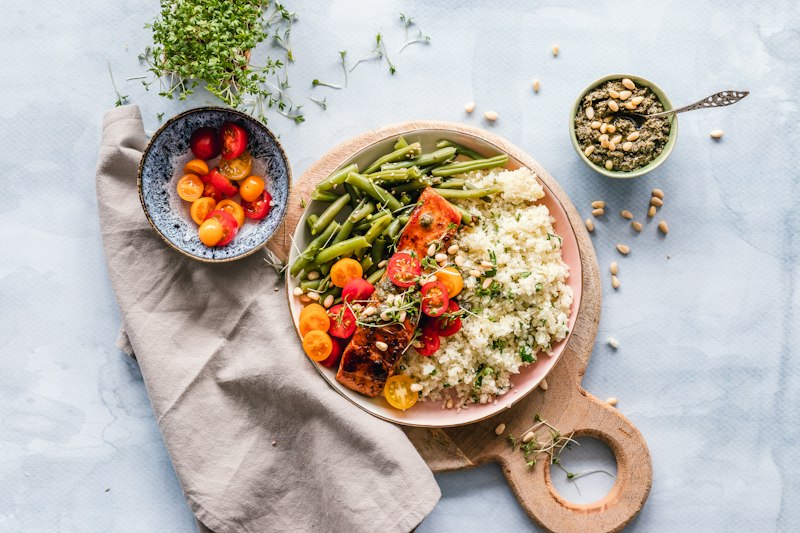
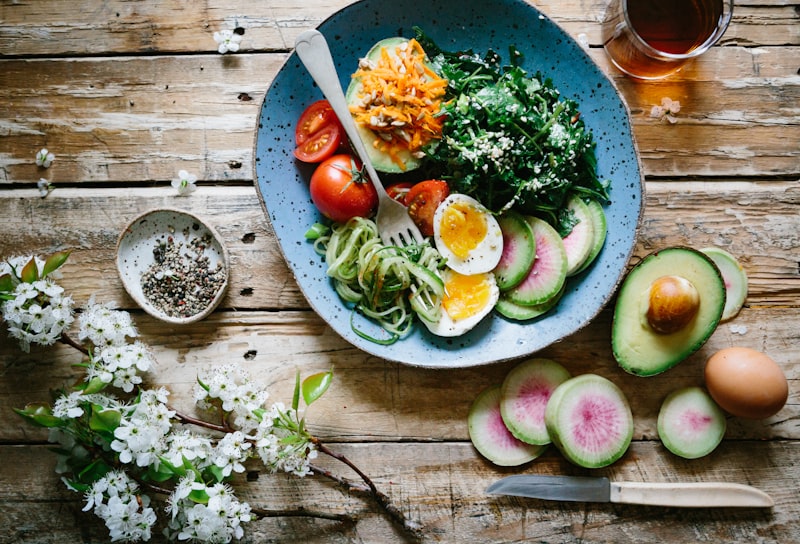
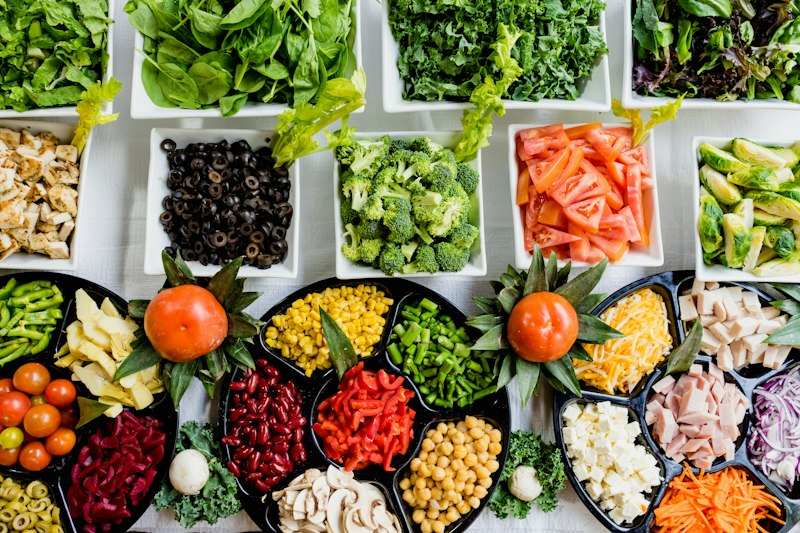
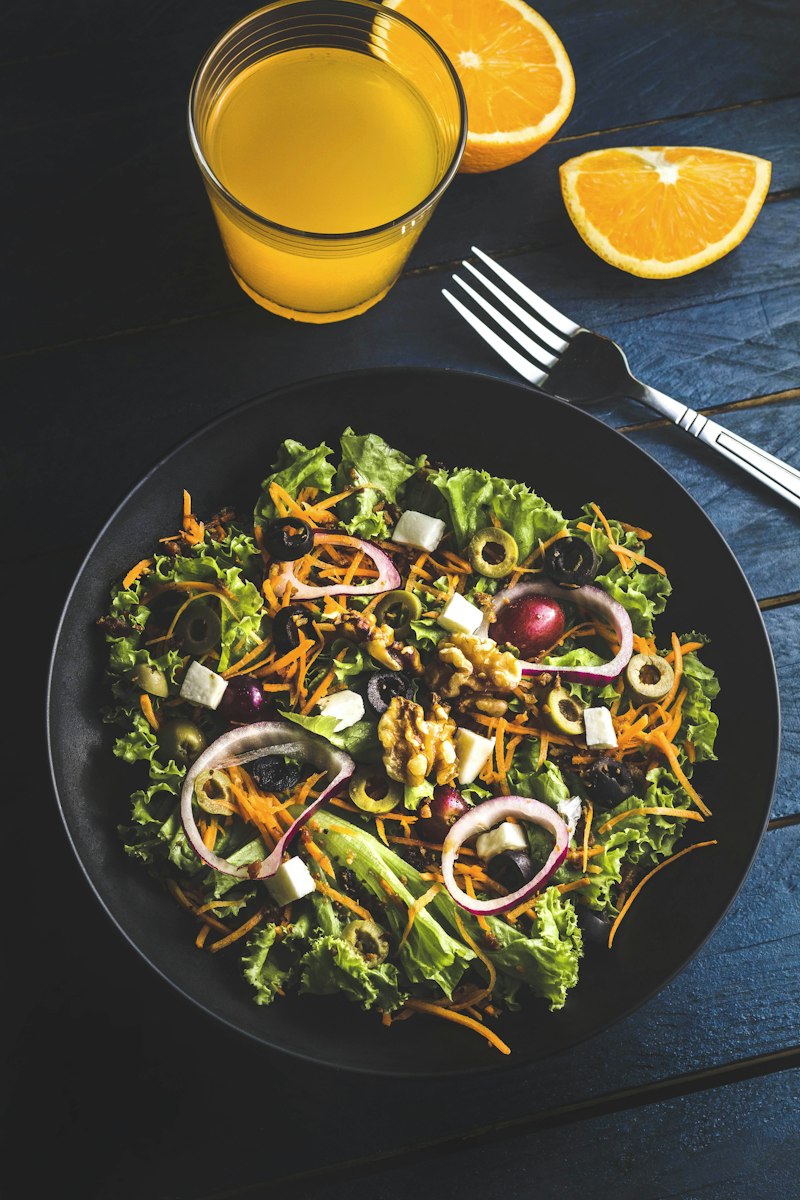
The anti-anxiety diet prioritizes: abundant colorful vegetables and fruits (providing antioxidants that reduce neuroinflammation); omega-3 fatty acids from fatty fish twice weekly (DHA is a structural component of brain cell membranes and reduces neuroinflammation); fermented foods daily (providing psychobiotic bacteria); whole grains rather than refined carbohydrates (preventing blood sugar volatility that contributes to mood instability); magnesium-rich foods including leafy greens, nuts, and seeds (magnesium deficiency is strongly associated with anxiety and depression); and prebiotic fiber from garlic, onions, leeks, asparagus, and bananas (feeding beneficial bacteria that produce GABA and serotonin precursors).
What to minimize is equally important: ultra-processed foods with emulsifiers and artificial additives that disrupt the gut lining; refined sugar that feeds dysbiotic bacteria and drives inflammatory cytokine production; excessive alcohol that damages intestinal epithelial cells and alters microbiome composition; and artificial sweeteners that alter gut bacteria in ways associated with metabolic and mood disruption. The gut-brain connection means that every dietary choice is simultaneously a choice about your mental health — a recognition that fundamentally changes how we should approach both nutrition and mental wellbeing.
Dr. Priya Sharma
Gastroenterologist
Expert contributor at our health & wellness platform, bringing evidence-based insights to help you achieve your nutrition and fitness goals.