
Are superfoods really super? We break down the science behind the hype and identify which nutrient-dense foods truly deserve the title.
The term 'superfood' has become a powerful marketing buzzword that drives billions of dollars in consumer spending, but what does the science actually say? The truth is that the term has no official scientific or regulatory definition — it's a marketing concept, not a nutritional classification. Neither the U.S. Food and Drug Administration nor the European Food Safety Authority recognizes 'superfood' as a meaningful category. However, certain foods do contain unusually high concentrations of vitamins, minerals, antioxidants, and bioactive compounds that provide measurable health benefits when consumed as part of a balanced diet.
Blueberries are one of the most extensively researched so-called superfoods, and the evidence supporting their health benefits is genuinely impressive. Their deep blue color comes from anthocyanins, a class of flavonoid antioxidants that have been shown to cross the blood-brain barrier and accumulate in brain regions associated with learning and memory. A randomized controlled trial published in the Annals of Neurology found that women who consumed two or more servings of blueberries per week delayed cognitive aging by up to 2.5 years compared to non-consumers. Additional research from the European Journal of Nutrition demonstrated that consuming 150 grams of blueberries daily reduced cardiovascular disease risk factors, including blood pressure and arterial stiffness, in participants with metabolic syndrome.
Salmon and other cold-water fatty fish genuinely deserve recognition for their nutritional density. A single 3.5-ounce serving of wild-caught salmon provides approximately 2 grams of EPA and DHA omega-3 fatty acids — meeting or exceeding the weekly recommendation from the American Heart Association in just one serving. These specific omega-3 forms are essential for brain cell membrane integrity, anti-inflammatory signaling, and cardiovascular protection. A meta-analysis published in JAMA Internal Medicine analyzing data from over 400,000 participants found that consuming one to two servings of fish per week was associated with a 36 percent reduction in death from coronary heart disease.
"The term 'superfood' has no official scientific definition — it's a marketing concept, not a nutritional classification. But certain foods do contain unusually high concentrations of bioactive compounds."
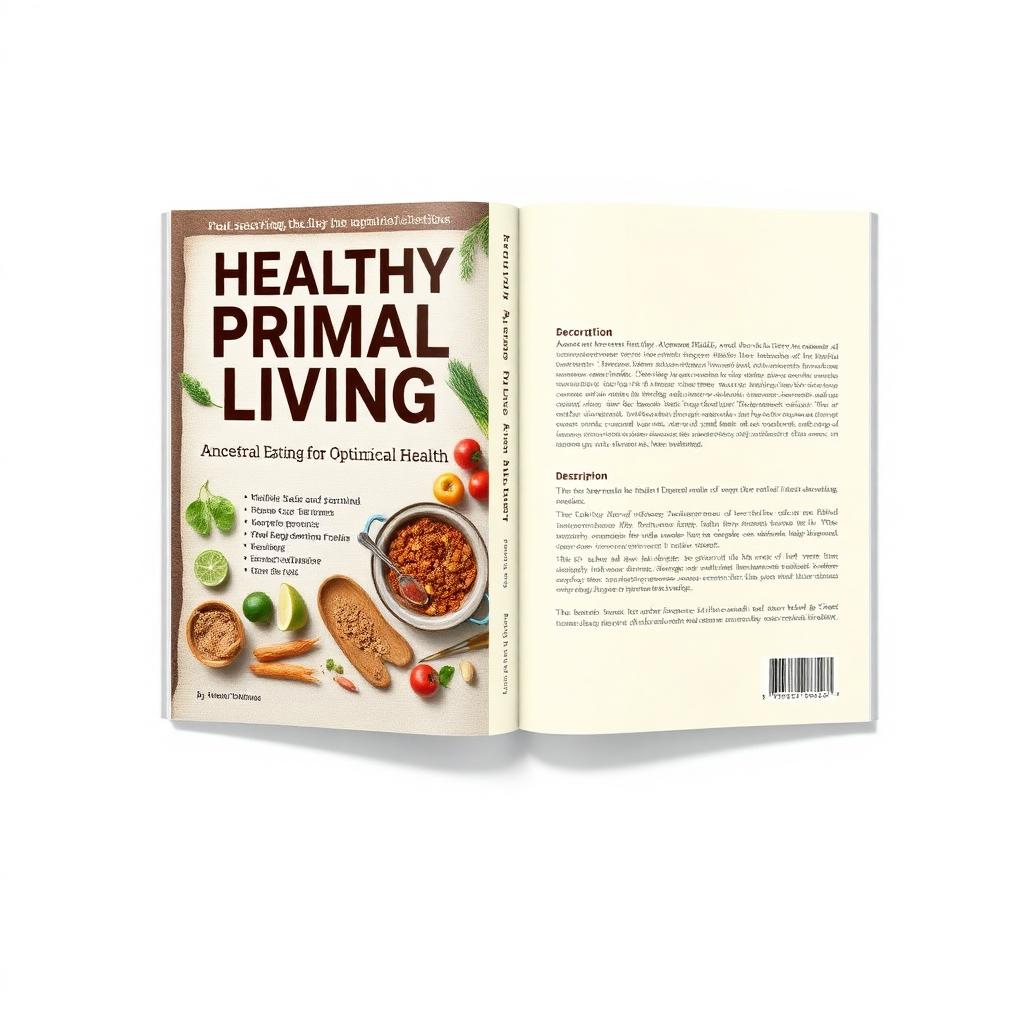
Healthy Primal Living
Return to ancestral eating patterns for optimal health and vitality.
Predict How Food Affects Your Body
Before You Eat.
Log glucose readings, energy levels, and sleep quality to build your personal metabolic fingerprint. Our platform then predicts the glucose spike, energy impact, and metabolic score of any meal before you eat it — and suggests real-time tweaks like 'add avocado to blunt the glucose spike' right on the meal card.
Smarter than calorie counting. Two meals with identical calories can have wildly different effects on your energy, cravings, and fat storage. Metabolic Intelligence reveals the difference.
Free to use · No credit card required

Leafy greens like kale, spinach, and Swiss chard provide an extraordinary concentration of nutrients relative to their calorie content. One cup of raw kale contains 684 percent of the daily value for vitamin K, 206 percent for vitamin A, and 134 percent for vitamin C, all for just 33 calories. Beyond vitamins, leafy greens provide lutein and zeaxanthin — carotenoids that accumulate in the retina and protect against age-related macular degeneration, the leading cause of vision loss in older adults. A 2018 study in Neurology found that consuming approximately one serving of leafy greens per day was associated with slower cognitive decline equivalent to being 11 years younger in age.
Turmeric has experienced an explosion in popularity, and the scientific literature on its active compound, curcumin, is substantial — with over 15,000 published studies as of 2025. Curcumin has demonstrated anti-inflammatory properties comparable to some pharmaceutical drugs, primarily by inhibiting NF-kB, a molecule that travels into the nuclei of cells and activates genes related to inflammation. However, there is an important caveat: curcumin has notoriously poor bioavailability, meaning your body absorbs very little of what you consume. Research published in Planta Medica found that combining curcumin with piperine, a compound in black pepper, increases absorption by approximately 2,000 percent. Without this pairing, most consumed curcumin simply passes through the digestive tract unused.
"Women who consumed two or more servings of blueberries per week delayed cognitive aging by up to 2.5 years. The anthocyanins in blueberries cross the blood-brain barrier and accumulate in memory regions."
Fermented foods like yogurt, kefir, kimchi, sauerkraut, miso, and kombucha have gained superfood status largely due to growing research on the gut microbiome. These foods contain live probiotic bacteria that can colonize the digestive tract and contribute to microbial diversity. A 2021 study from Stanford University published in Cell found that a diet high in fermented foods increased microbiota diversity and decreased markers of inflammation — including interleukin-6, a cytokine associated with chronic diseases — in as little as 10 weeks. The researchers found that fermented foods were more effective at increasing microbial diversity than a high-fiber diet, challenging long-held assumptions about the best dietary approach for gut health.
Nuts and seeds are nutritional powerhouses that provide healthy fats, plant protein, fiber, vitamins, and minerals in convenient, portable packages. Walnuts stand out for their exceptionally high alpha-linolenic acid (ALA) omega-3 content — providing 2.5 grams per ounce, more than any other commonly consumed nut. A large-scale study published in the New England Journal of Medicine followed over 118,000 adults for 30 years and found that people who consumed nuts daily had a 20 percent lower risk of death from all causes compared to those who rarely ate nuts. Chia seeds, flaxseeds, and hemp seeds offer similar benefits with the added advantage of high fiber content that supports digestive health.
Cruciferous vegetables — including broccoli, cauliflower, Brussels sprouts, and cabbage — contain unique sulfur-containing compounds called glucosinolates that are converted into biologically active compounds like sulforaphane during chewing and digestion. Sulforaphane has been the subject of extensive cancer research, with studies from Johns Hopkins University demonstrating that it activates phase II detoxification enzymes in the body, which help neutralize carcinogens and protect DNA from damage. A meta-analysis in the Journal of the National Cancer Institute found that high cruciferous vegetable intake was associated with a 17 percent lower risk of colorectal cancer.
"Curcumin has anti-inflammatory properties comparable to pharmaceutical drugs — but without black pepper, most consumed curcumin simply passes through the digestive tract unused."
Dark chocolate, specifically varieties containing 70 percent cocoa or higher, provides a concentrated source of flavanols — a subclass of flavonoids with significant cardiovascular benefits. A systematic review published in the journal Nutrients analyzed 14 randomized controlled trials and found that regular dark chocolate consumption significantly reduced systolic and diastolic blood pressure. Cocoa flavanols improve nitric oxide production, which relaxes blood vessels and improves blood flow. Additionally, the theobromine in dark chocolate has mild mood-enhancing effects. However, it's important to consume dark chocolate in moderation — approximately one to two ounces per day — as it remains a calorie-dense food.
Olive oil, particularly extra virgin olive oil (EVOO), is a cornerstone of the Mediterranean diet and has robust scientific backing. EVOO contains oleocanthal, a phenolic compound that research from the Monell Chemical Senses Center demonstrated has anti-inflammatory activity similar to ibuprofen. The landmark PREDIMED trial — a randomized controlled trial involving over 7,000 participants — found that a Mediterranean diet supplemented with extra virgin olive oil reduced the risk of major cardiovascular events by approximately 30 percent over five years. EVOO also provides oleic acid, a monounsaturated fat that improves cholesterol profiles and insulin sensitivity.
Eat the Right Meal for Your Exact Workout.
Add multiple exercises to your upcoming session, set individual durations, and get blended fuel recommendations with metabolic scores. The AI maps each exercise type to ideal macro ratios and timing, then filters hundreds of meals for the best matches — so you perform at your peak without guesswork.
Train harder. Recover faster. The AI calculates the ideal carb-to-protein ratio and timing window so you fuel up properly and recover faster after every session.
Free to use · No credit card required
While individual superfoods offer genuine nutritional benefits, the most important lesson from nutrition science is that no single food can compensate for an otherwise poor diet. The concept of 'nutritional synergy' — where the combined effect of nutrients from whole foods is greater than the sum of individual nutrients — underscores the importance of dietary patterns over individual food choices. Isolated supplements of superfood compounds (curcumin capsules, blueberry extracts, fish oil pills) rarely replicate the full health benefits of consuming the whole food within a balanced dietary context.
"No single superfood can compensate for a poor diet. The concept of 'nutritional synergy' means the combined effect of whole foods is greater than isolated supplements."
The healthiest approach is to incorporate a wide variety of nutrient-dense foods rather than fixating on a small handful of so-called superfoods. A diet built on colorful vegetables and fruits, fatty fish, nuts and seeds, whole grains, legumes, fermented foods, olive oil, and herbs and spices will naturally provide an extraordinary diversity of vitamins, minerals, antioxidants, and bioactive compounds. This 'super diet' approach is consistently supported by the strongest epidemiological evidence and represents the true path to optimal nutrition. Rather than chasing the next superfood trend, invest in building sustainable eating habits centered on real, whole, minimally processed foods.
If you want to maximize the superfood benefits of your diet, focus on a few practical principles: eat at least five servings of vegetables and fruits daily, emphasizing variety and color; include fatty fish at least twice per week; use olive oil as your primary cooking fat; incorporate fermented foods regularly; choose whole grains over refined grains; and season generously with herbs and spices like turmeric, ginger, garlic, and rosemary. These evidence-based habits will serve you far better than any expensive superfood powder or exotic ingredient.
Dr. Sarah Chen
Food Scientist
Expert contributor at our health & wellness platform, bringing evidence-based insights to help you achieve your nutrition and fitness goals.