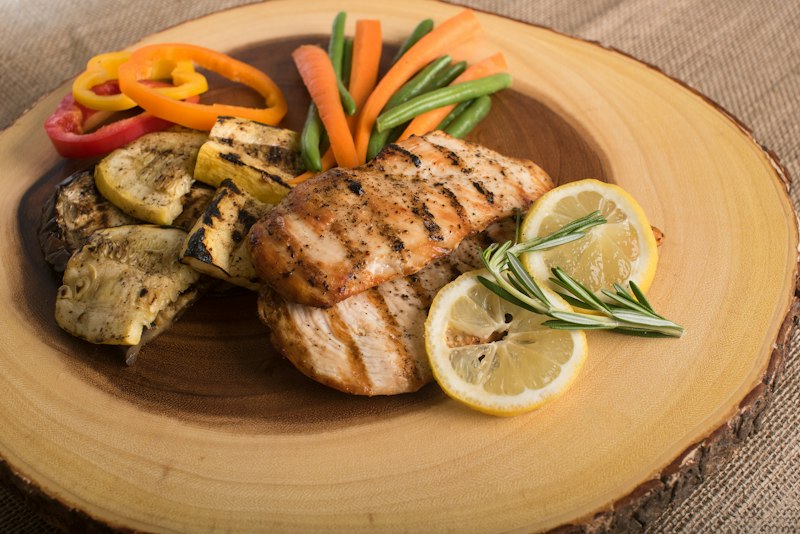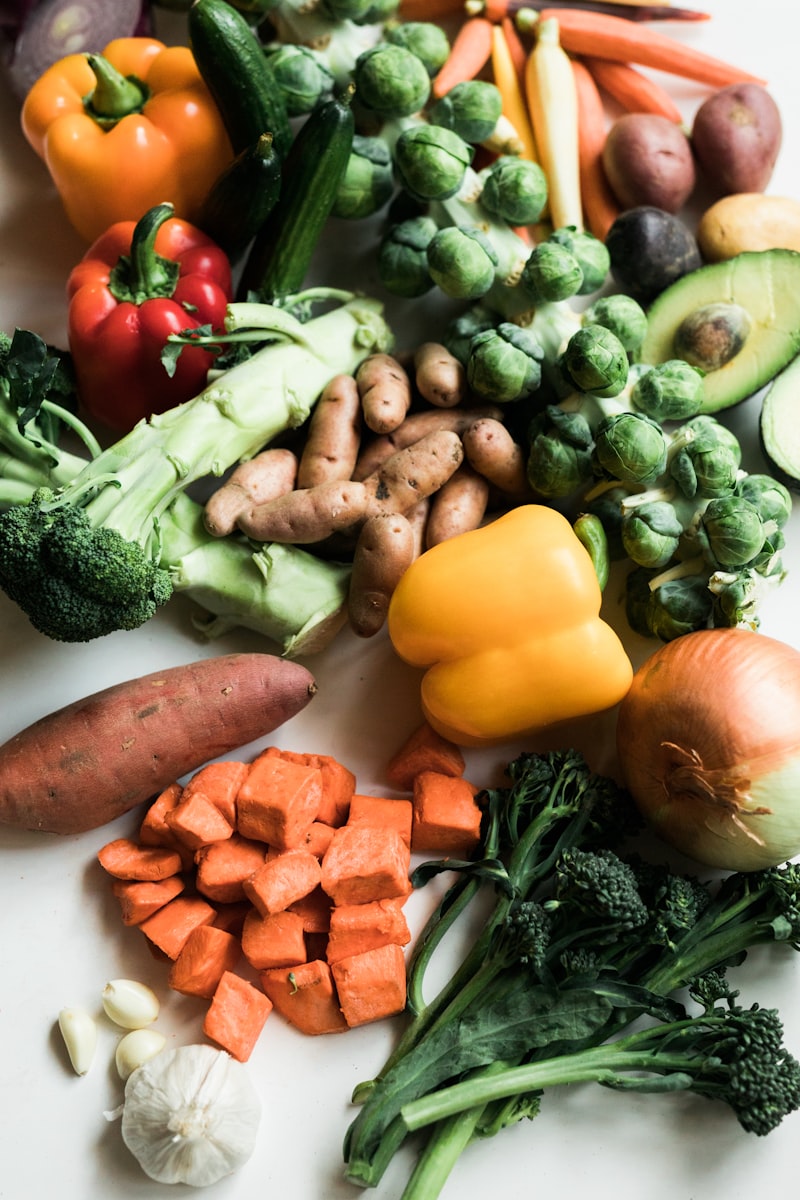
A practical, step-by-step guide to transitioning toward a plant-based diet without feeling overwhelmed.
A plant-based diet — whether fully vegan, vegetarian, or simply plant-forward — is consistently associated with lower rates of heart disease, type 2 diabetes, hypertension, certain cancers, and obesity in epidemiological research. The American Heart Association and the American Cancer Society both endorse predominantly plant-based dietary patterns as part of their health promotion guidelines. Transitioning to eating more plants doesn't need to be an all-or-nothing decision. A gradual approach is the most sustainable path to lasting dietary change, and even partial shifts toward plant-based eating produce measurable health benefits.
Begin with a single swap: Meatless Mondays. Replacing meat with plant proteins just one day per week starts building the cooking skills and recipe repertoire you need. Focus on cuisines that are naturally plant-forward — Indian dal and vegetable curries, Mexican bean tacos and enchiladas, Middle Eastern hummus and falafel, Thai vegetable stir-fries, Ethiopian lentil stews, and Japanese edamame and tofu dishes. These cuisines have developed over centuries to make plant proteins satisfying, flavorful, and filling. You will likely discover that plant-based meals can be more diverse and exciting than the meat-centered dishes they replace.

🧠 You're not hungry, you're bored. Try a 2-min walk.
✅ 340 kcal under target — on track!
🌅 Skipping breakfast causes 3pm crashes. Fuel up!
🍫 Craving chocolate? That's low magnesium. Try almonds.
😤 Stressed? Don't eat — breathe 4-7-8 for 60 seconds.
We Put Your Journey on Autopilot.
Once assessed, our optional notifications act as "Just-in-Time Adaptive Interventions" (JITAI) — a digital therapist in your pocket. Behavioural scientists say lasting change happens when Motivation, Ability, and a Prompt converge at the same moment. Our coach delivers exactly that, learning from your logged meals, moods, and habits to become more accurate over time. Instead of generic reminders, Marcus sends context-aware nudges grounded in CBT — challenging the specific thought patterns that derail your progress, right when they're most likely to strike.
Your Coach Never Sleeps.
Marcus sends intelligent CBT-based push notifications that rewire your decisions in real time — challenging cognitive distortions before the damage is done.
Protein is the nutrient most commonly questioned in plant-based diets, but it is entirely achievable without animal products. The four plant protein powerhouses to master are legumes (beans, lentils, chickpeas — approximately 15–18g per cooked cup), tofu and tempeh (10–20g per half cup), edamame (17g per cup), and seitan, a wheat-based protein containing approximately 25g per 3.5 ounces. Combining these with whole grains, which contain meaningful protein (quinoa at 8g per cup, farro at 8g, lentils combined with rice creates a complete amino acid profile), makes meeting protein needs practical. The Academy of Nutrition and Dietetics confirms that a well-planned plant-based diet meets all protein and amino acid requirements.
"A plant-based diet reduces your carbon footprint from food by up to 73 percent. The intersection of personal health and environmental sustainability makes it one of the most impactful dietary choices available."
Bulletproof Keto Diet Guide
Master the ketogenic diet with bulletproof strategies for rapid fat loss and mental clarity.
Key nutrients requiring intentional attention on a plant-based diet include vitamin B12, which is found almost exclusively in animal products and should be supplemented by all strict vegans at a dose of at least 2.4 mcg daily. Iron from plant sources (non-heme iron) is less bioavailable than heme iron from meat — pair iron-rich foods like lentils, spinach, and fortified cereals with vitamin C sources (citrus, bell peppers, tomatoes) to enhance absorption by up to 300 percent. Calcium from plant sources including fortified plant milks (providing 300–400mg per cup), kale, broccoli, almonds, and white beans is well-absorbed. Omega-3 fatty acids should come from walnuts, ground flaxseeds, and chia seeds daily, or from algae-derived DHA and EPA supplements. Zinc and iodine also warrant attention for strict plant-based eaters.
Stocking your pantry with plant-based staples transforms meal preparation from stressful to effortless. Build a foundation with: canned and dried legumes (black beans, chickpeas, lentils, kidney beans), whole grains (brown rice, quinoa, farro, rolled oats), nut butters, nuts and seeds, nutritional yeast (which provides a cheesy flavor and is often fortified with B12), tofu and tempeh, canned tomatoes, coconut milk, a diverse spice collection, and a variety of frozen vegetables for quick meals. With these pantry staples, you can prepare dozens of balanced, protein-sufficient plant-based meals without a special grocery run.
"The Academy of Nutrition and Dietetics confirms that a well-planned plant-based diet meets all protein and amino acid requirements. The 'incomplete protein' concern is outdated and debunked."
Social situations are often cited as a barrier to plant-based eating. At restaurants, most cuisines offer plant-based options: pasta primavera or marinara at Italian restaurants; vegetable sushi rolls, edamame, and miso soup at Japanese restaurants; bean burritos and vegetable fajitas at Mexican restaurants; hummus, falafel, and tabbouleh at Mediterranean restaurants; and vegetable stir-fries with tofu at Chinese restaurants. Communicating your dietary preferences ahead of time at dinner parties, or offering to bring a plant-based dish that everyone can enjoy, normalizes your eating approach without creating social friction.
We Don't Just Tell You What to Do.
We Tell You Why You Failed Before.
Most people treat health like a math problem — but it's a behavioural problem. Our combined psychology assessment identifies the patterns sabotaging both your diet and fitness progress, then builds one unified plan that works with your real personality.
More likely to succeed. Programs incorporating CBT result in significantly better long-term weight maintenance.
Diet + Fitness combined · Completely free · ~4 minutes

8 diet profiles + 8 fitness profiles — which combination are you?
The environmental impact of reducing animal product consumption is substantial. Research published in Science found that a plant-based diet reduces an individual's carbon footprint from food by up to 73 percent. Animal agriculture is responsible for approximately 14.5 percent of global greenhouse gas emissions according to the Food and Agriculture Organization of the United Nations. Beef production is particularly resource-intensive, requiring approximately 20 times more land and emitting 20 times more greenhouse gases per gram of protein compared to plant-based proteins like lentils. The intersection of personal health benefits and environmental sustainability makes plant-based eating one of the most impactful dietary choices available.
Progress matters far more than perfection. Even reducing meat consumption by 50 percent — without eliminating it completely — produces significant improvements in health markers and environmental impact. Find the approach that works for your lifestyle, budget, and food preferences. Start with the plant-based meals you already enjoy, gradually expand your repertoire, and allow yourself flexibility without guilt. A mostly plant-based diet sustained for decades will deliver far greater benefits than a strict vegan diet abandoned after three months due to social difficulty or nutrient concerns.
Emma Davis
Nutrition Writer
Expert contributor at our health & wellness platform, bringing evidence-based insights to help you achieve your nutrition and fitness goals.