
Is intermittent fasting right for you? Here's what the research says about its benefits, drawbacks, and who should avoid it.
Intermittent fasting (IF) has become one of the most widely practiced dietary interventions of the past decade, with millions of people restricting their eating windows in pursuit of weight loss, improved metabolic health, and even longevity. Unlike macronutrient-based diets that prescribe what to eat, intermittent fasting focuses exclusively on when to eat. The scientific literature on IF has grown substantially, offering a more nuanced picture than either enthusiastic proponents or dismissive critics typically present. Here is what the research actually shows.
The most popular IF protocols vary in their approach to fasting duration. The 16:8 method restricts eating to an 8-hour window (for example, noon to 8pm) and involves an overnight fast of 16 hours. The 5:2 method involves eating normally five days per week and restricting calories to approximately 500–600 on two non-consecutive days. Alternate-day fasting alternates between normal eating days and very low calorie (under 500 kcal) days. The 24-hour fast, performed once or twice per week, is another common approach. Each protocol produces different physiological responses and suits different lifestyles.
We Don't Just Tell You What to Do.
We Tell You Why You Failed Before.
Most people treat health like a math problem — but it's a behavioural problem. Our combined psychology assessment identifies the patterns sabotaging both your diet and fitness progress, then builds one unified plan that works with your real personality.
More likely to succeed. Programs incorporating CBT result in significantly better long-term weight maintenance.
Diet + Fitness combined · Completely free · ~4 minutes

8 diet profiles + 8 fitness profiles — which combination are you?
The benefits of intermittent fasting are supported by genuine scientific evidence. Multiple randomized controlled trials have demonstrated that IF produces weight loss comparable to continuous caloric restriction over periods of three to twelve months. A systematic review and meta-analysis published in Obesity Reviews analyzing 27 trials found that IF reduced body weight by an average of 0.8 to 13 percent. More importantly, IF improves several metabolic markers: insulin sensitivity increases, fasting blood glucose decreases, blood pressure improves, and triglycerides and LDL cholesterol often decline — particularly when IF is combined with appropriate food choices.
"Intermittent fasting stimulates autophagy — a cellular 'self-cleaning' process. The 2016 Nobel Prize in Medicine was awarded for research showing autophagy is fundamental to cellular health and longevity."
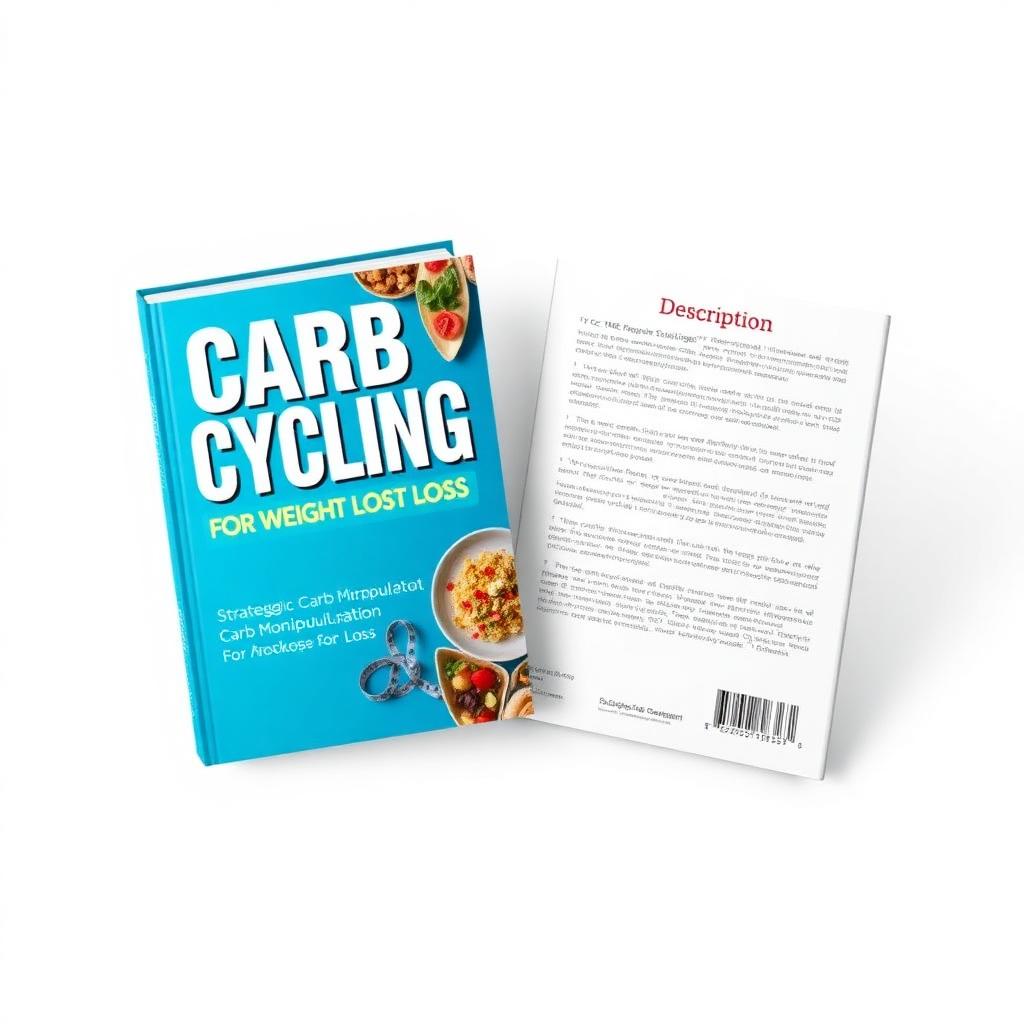
Carb Cycling for Weight Loss
Strategic carb manipulation for fat loss while maintaining muscle mass.
One of the most scientifically intriguing benefits of intermittent fasting is its ability to stimulate autophagy — a cellular 'self-cleaning' process in which cells break down and recycle damaged proteins, dysfunctional organelles, and cellular debris. Autophagy is suppressed by continuous food availability and activated by fasting periods. Research by Dr. Yoshinori Ohsumi, who won the 2016 Nobel Prize in Physiology or Medicine for his work on autophagy, demonstrated that this process is fundamental to cellular health and longevity. While human studies on fasting-induced autophagy are still emerging, animal research suggests that regular autophagy activation may reduce cancer risk and slow neurodegeneration.
The downsides of intermittent fasting deserve equal attention. For many people, prolonged fasting increases cortisol levels — particularly in women, who appear to be more sensitive to caloric restriction signals. A study in Cell Metabolism found that time-restricted eating in premenopausal women reduced muscle mass more than continuous caloric restriction. Intermittent fasting can also trigger overeating during eating windows, particularly in people with a history of restrictive eating — negating any caloric deficit created by the fasting period. Some people experience irritability, difficulty concentrating, fatigue, and sleep disturbances during the adaptation period, which can last one to three weeks.
"Multiple trials found IF reduces body weight by 0.8 to 13 percent. But the real benefits are metabolic: improved insulin sensitivity, lower blood pressure, and reduced inflammation."
Intermittent fasting is explicitly contraindicated for certain populations. Pregnant and breastfeeding women should not restrict eating windows, as nutrient availability throughout the day is critical for fetal development and milk production. Children and adolescents should not fast, as consistent nutrition is required for growth and brain development. Individuals with a history of anorexia, bulimia, or other eating disorders should avoid IF, as fasting can trigger relapse or worsen disordered relationships with food. People with type 1 diabetes or those on insulin or sulfonylurea medications face serious hypoglycemia risk if they fast without medical supervision. Those who are underweight or have significant nutritional deficiencies should similarly avoid fasting protocols.
Eat the Right Meal for Your Exact Workout.
Add multiple exercises to your upcoming session, set individual durations, and get blended fuel recommendations with metabolic scores. The AI maps each exercise type to ideal macro ratios and timing, then filters hundreds of meals for the best matches — so you perform at your peak without guesswork.
Train harder. Recover faster. The AI calculates the ideal carb-to-protein ratio and timing window so you fuel up properly and recover faster after every session.
Free to use · No credit card required

If you decide to try intermittent fasting, beginning gradually is essential for a positive experience. Start with a 12-hour fast — essentially just avoiding food after dinner and delaying breakfast — for two to four weeks. This is a sustainable entry point that most people tolerate well and already provides metabolic benefits. If it suits you, extend to 14 hours, then potentially 16 hours. Listen carefully to your body's signals: persistent extreme hunger, severe fatigue, difficulty concentrating, or disrupted sleep are signs that your current fasting duration is not appropriate for your physiology. Ensure that your eating window provides adequate calories and comprehensive nutrition — IF is not a license to eat poorly during feeding periods.
The most important factor for long-term success with any dietary approach is sustainability. A Mediterranean diet you can follow consistently for years will produce better health outcomes than an intermittent fasting protocol you abandon after three months. Research published in JAMA Internal Medicine comparing IF and continuous caloric restriction found no statistically significant difference in weight loss outcomes at one year, suggesting that the best dietary approach is ultimately the one you can maintain. Consider intermittent fasting as one tool in your dietary toolkit rather than an obligatory practice, and prioritize overall dietary quality, sleep, stress management, and physical activity above any specific eating schedule.
Dr. Mike Wilson
Endocrinologist
Expert contributor at our health & wellness platform, bringing evidence-based insights to help you achieve your nutrition and fitness goals.