Transform your weekly routine with these simple, delicious meal prep strategies that save time and keep you on track.
Meal prepping is one of the most evidence-backed strategies for maintaining a healthy diet in a busy world. Research published in the International Journal of Behavioral Nutrition and Physical Activity found that people who regularly cooked meals at home had significantly better dietary quality scores and consumed fewer calories than those who relied on restaurant and takeout meals. By dedicating just two to three hours on the weekend, you can set yourself up for an entire week of nutritious, stress-free eating — removing the daily friction that leads to poor food choices when you're tired and hungry.
Strategy 1 — Batch-cook your protein base. Cook a large quantity of a versatile protein: roasted chicken thighs, baked salmon, hard-boiled eggs, or a pot of black beans. Store these in airtight containers in the refrigerator for up to four days. Having ready-to-use protein eliminates the biggest barrier to balanced meals during the week. According to research from the American Journal of Clinical Nutrition, adequate protein at each meal (25–40g) is critical for satiety and blood sugar stability — two factors that determine whether you reach for nutritious food or a vending machine by 3pm.
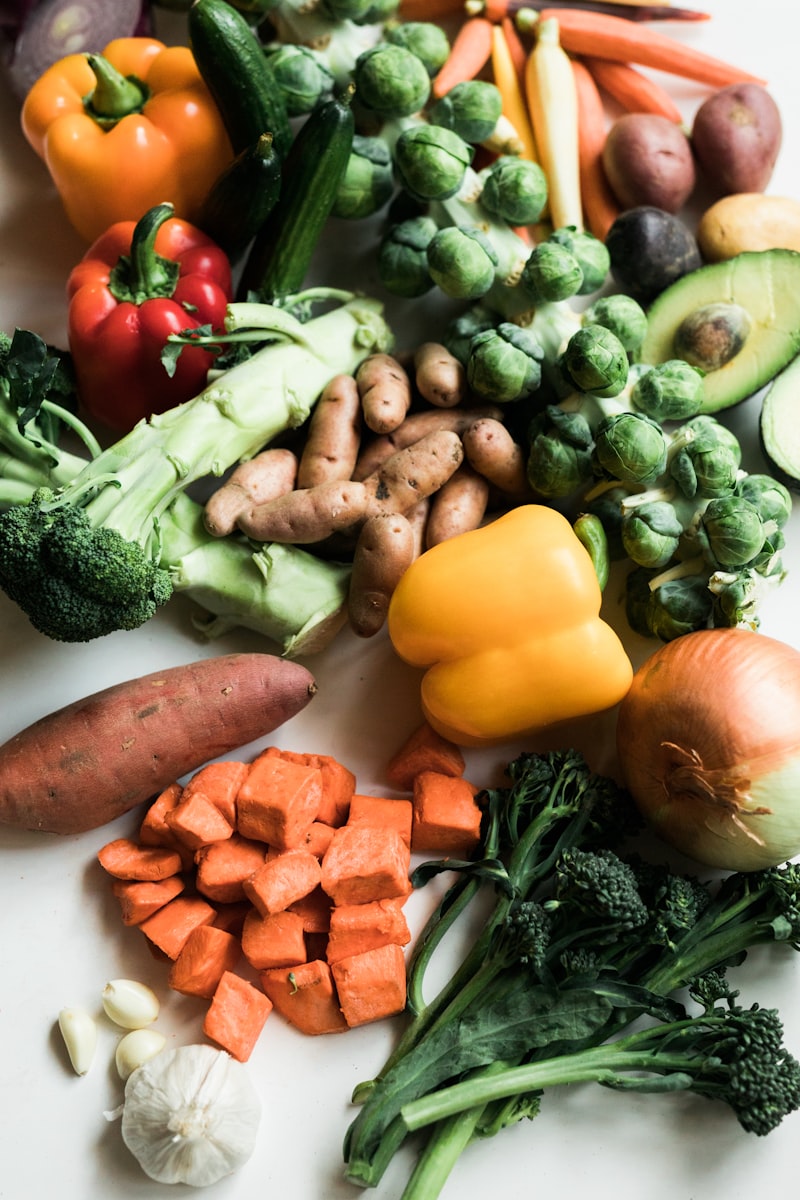
Strategy 2 — Pre-chop your vegetables on Sunday. Wash, peel, and chop onions, bell peppers, broccoli, carrots, and zucchini. Store them in containers lined with a slightly damp paper towel to maintain freshness for five to seven days. Studies show that food accessibility is one of the strongest predictors of food choice — when nutritious food is easy to grab, people consume significantly more of it. Pre-chopped vegetables can be added to stir-fries, grain bowls, omelets, or sheet pan dinners in under 10 minutes.
"The biggest failure in healthy eating isn't motivation — it's the absence of a system. Meal prep is that system, turning good intentions into guaranteed outcomes."
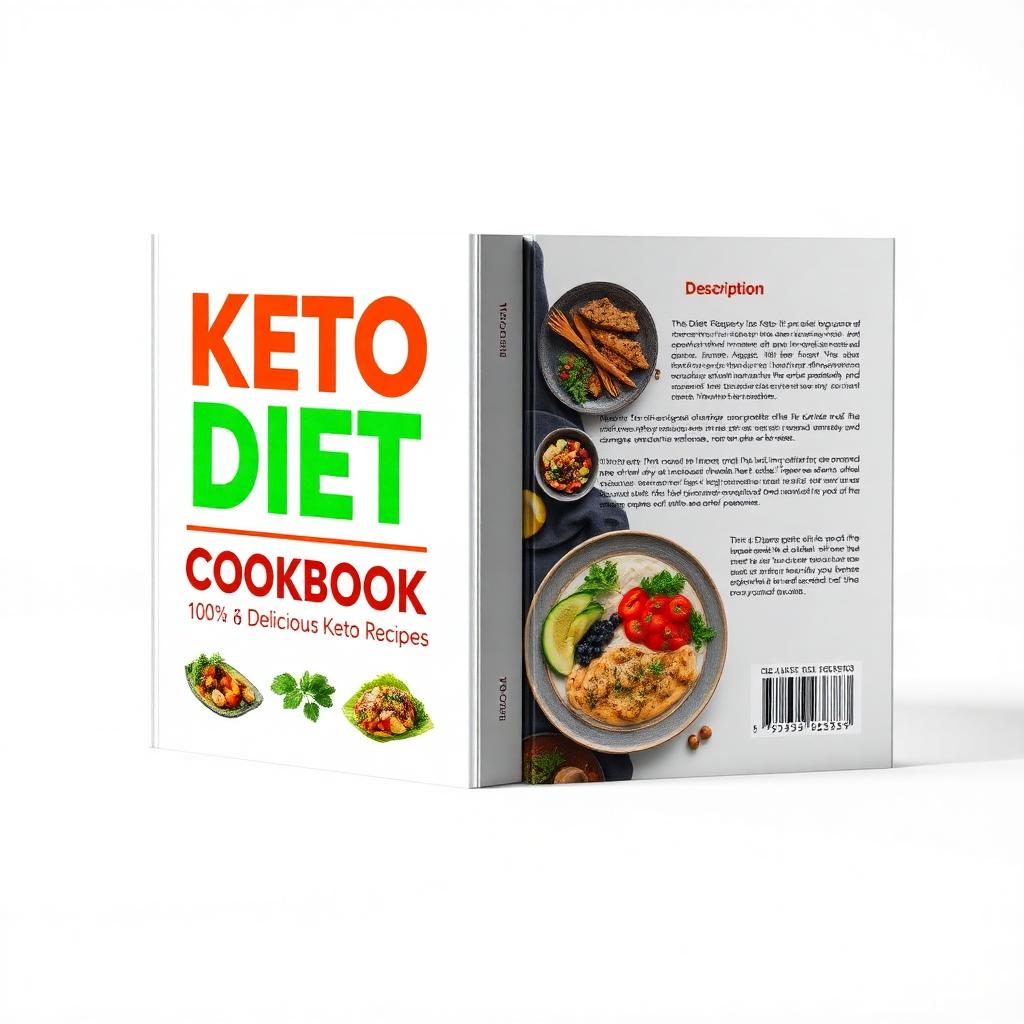
Keto Diet Cookbook
Delicious keto recipes for every meal of the day.
Predict How Food Affects Your Body
Before You Eat.
Log glucose readings, energy levels, and sleep quality to build your personal metabolic fingerprint. Our platform then predicts the glucose spike, energy impact, and metabolic score of any meal before you eat it — and suggests real-time tweaks like 'add avocado to blunt the glucose spike' right on the meal card.
Smarter than calorie counting. Two meals with identical calories can have wildly different effects on your energy, cravings, and fat storage. Metabolic Intelligence reveals the difference.
Free to use · No credit card required

Strategy 3 — Mason jar salads are a game-changing portable lunch solution. Layer dressing on the bottom, followed by hearty, moisture-resistant ingredients (chickpeas, roasted vegetables, grains), then softer ingredients, and finally greens on top. When sealed and stored upright, these salads stay fresh for four to five days and are perfectly portable for work or school. They provide a nutritionally complete meal with fiber, protein, and healthy fats in every jar.
Strategy 4 — Overnight oats for grab-and-go breakfasts. Combine rolled oats with milk or a plant-based alternative, chia seeds, and your choice of fruit and nut butter. Prepare five to six portions at once in individual jars. This takes ten minutes on Sunday and provides a fiber-rich, protein-containing breakfast every morning. Skipping breakfast increases the likelihood of overeating later in the day according to research in the journal Appetite, and having a ready meal removes the temptation to skip it entirely.
"Batch cooking one protein, one grain, and two vegetables gives you the building blocks for completely different meals every night of the week without cooking from scratch each time."
Strategy 5 — Grain batch cooking provides a versatile foundation for dozens of different meals. Cook a large pot of quinoa, brown rice, farro, or barley at the start of the week. These grains store well in the refrigerator for five to six days and can be repurposed as breakfast porridge, lunch grain bowls, dinner sides, or additions to soups. Quinoa is particularly valuable because it provides all nine essential amino acids, making it one of the few complete plant proteins available.
Strategy 6 — Prepare large batches of soups, stews, and chili and freeze individual portions. These meals actually improve with time as flavors meld during storage. A large pot of lentil soup, turkey chili, or vegetable minestrone can be divided into 10 to 12 individual servings and frozen for up to three months. On a busy weeknight, you simply thaw and reheat — a nutritionally complete dinner in under 10 minutes. The fiber content of bean and legume-based soups supports gut health and promotes satiety, making them ideal for weight management.
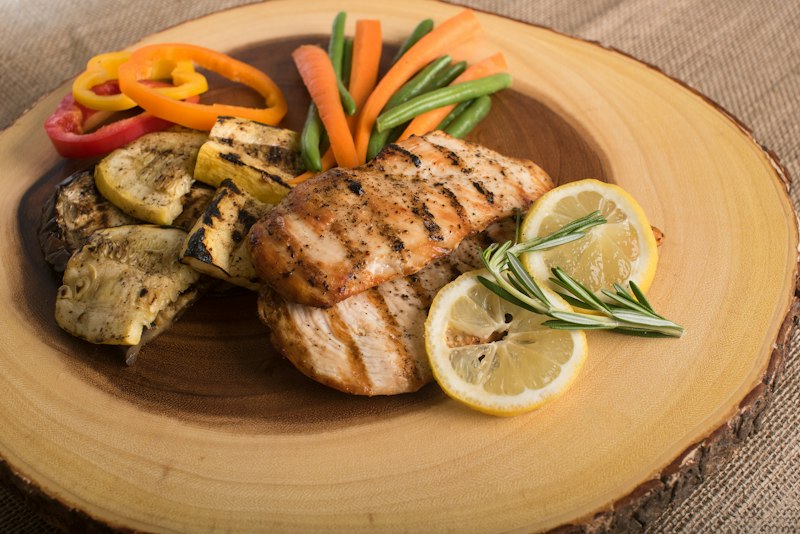
Strategy 7 — Sheet pan dinners are the meal prepper's best friend. Arrange protein and vegetables on a sheet pan, season generously, and roast at 400°F for 25–35 minutes. The entire dinner cooks with minimal hands-on time, and you can prepare multiple sheet pans simultaneously for four to five nights of dinners. Combining different vegetable colors ensures a diverse range of vitamins and antioxidants. Sheet pan salmon with broccoli and sweet potato, or chicken thighs with roasted peppers and zucchini, provides complete nutrition in a single baking tray.
"Research consistently shows that people who prepare food at home consume fewer calories, less sodium, and significantly more nutrients than those who rely on restaurant or packaged meals."
🧠 You're not hungry, you're bored. Try a 2-min walk.
✅ 340 kcal under target — on track!
🌅 Skipping breakfast causes 3pm crashes. Fuel up!
🍫 Craving chocolate? That's low magnesium. Try almonds.
😤 Stressed? Don't eat — breathe 4-7-8 for 60 seconds.
We Put Your Journey on Autopilot.
Once assessed, our optional notifications act as "Just-in-Time Adaptive Interventions" (JITAI) — a digital therapist in your pocket. Behavioural scientists say lasting change happens when Motivation, Ability, and a Prompt converge at the same moment. Our coach delivers exactly that, learning from your logged meals, moods, and habits to become more accurate over time. Instead of generic reminders, Marcus sends context-aware nudges grounded in CBT — challenging the specific thought patterns that derail your progress, right when they're most likely to strike.
Your Coach Never Sleeps.
Marcus sends intelligent CBT-based push notifications that rewire your decisions in real time — challenging cognitive distortions before the damage is done.
Strategy 8 — Invest in a slow cooker or instant pot for hands-off batch cooking. A slow cooker can prepare pulled chicken, beef stew, or bean curry entirely unattended over six to eight hours. Place ingredients before you leave in the morning and return to a fully cooked meal in the evening. Slow-cooked beans and legumes develop deeper flavors and are significantly cheaper than canned alternatives. A large slow cooker batch yields enough for multiple meals throughout the week.
Strategy 9 — Snack prep prevents the mid-afternoon energy crashes that derail healthy eating. Portion out nuts and dried fruit into small containers. Wash and cut fruit into bite-sized pieces. Prepare hummus and vegetable sticks. Make energy balls from oats, nut butter, and honey. Having healthy snacks portioned and ready to grab means you won't reach for cookies or chips when hunger strikes. Research published in Nutrition Journal found that the presence of healthy ready-to-eat foods in the home was one of the strongest environmental predictors of healthy snacking behavior.
The key to sustainable meal prepping is variety and flavor. Rotate your protein sources weekly — salmon one week, chicken the next, legumes the week after. Experiment with different spice blends and cuisines to prevent boredom. An Italian week might feature baked chicken with roasted tomatoes and zucchini served over farro; an Asian-inspired week might include teriyaki salmon with edamame and brown rice; a Mexican-themed week might center around seasoned black beans with grilled peppers and brown rice. The same basic components — protein, grain, vegetable — become entirely different meals simply by changing the seasoning and sauce.
Sarah Johnson
Meal Prep Coach
Expert contributor at our health & wellness platform, bringing evidence-based insights to help you achieve your nutrition and fitness goals.