
Discover the benefits of eating with the seasons and how choosing locally grown, seasonal produce can dramatically impact your health.
Eating seasonally isn't just a trend embraced by trendy farm-to-table restaurants — it's the way humans have eaten for the vast majority of our evolutionary history. For hundreds of thousands of years, our ancestors had no choice but to eat whatever was available in their local environment at any given time of year. Our modern ability to eat strawberries in December and apples in June, while convenient, has disconnected us from the natural rhythms that once governed human nutrition. Returning to seasonal eating offers profound benefits for both personal health and planetary sustainability.
When fruits and vegetables are harvested at peak ripeness during their natural growing season, their nutrient content is at its absolute highest. A landmark study published in the Journal of Agricultural and Food Chemistry found that broccoli harvested in fall, during its natural growing season, contained nearly twice the vitamin C content of broccoli harvested in spring. Research from the University of California, Davis demonstrated that spinach lost 47 percent of its folate content after just eight days of storage at refrigerator temperature. The simple act of eating produce closer to its harvest date means you receive significantly more vitamins, minerals, and beneficial plant compounds.
The nutritional superiority of seasonal produce goes beyond individual vitamins. Plants produce higher concentrations of protective phytochemicals — including polyphenols, flavonoids, and carotenoids — when they grow under natural conditions during their optimal season. These compounds serve as the plant's natural defense system against UV radiation, pests, and environmental stress, and when we consume them, they provide antioxidant and anti-inflammatory benefits in our own bodies. A study in the International Journal of Food Sciences and Nutrition found that tomatoes grown in summer contained up to three times more lycopene than those grown in winter greenhouses.
"For hundreds of thousands of years, our ancestors ate whatever was available locally. Our modern ability to eat strawberries in December has disconnected us from rhythms that once governed human nutrition."
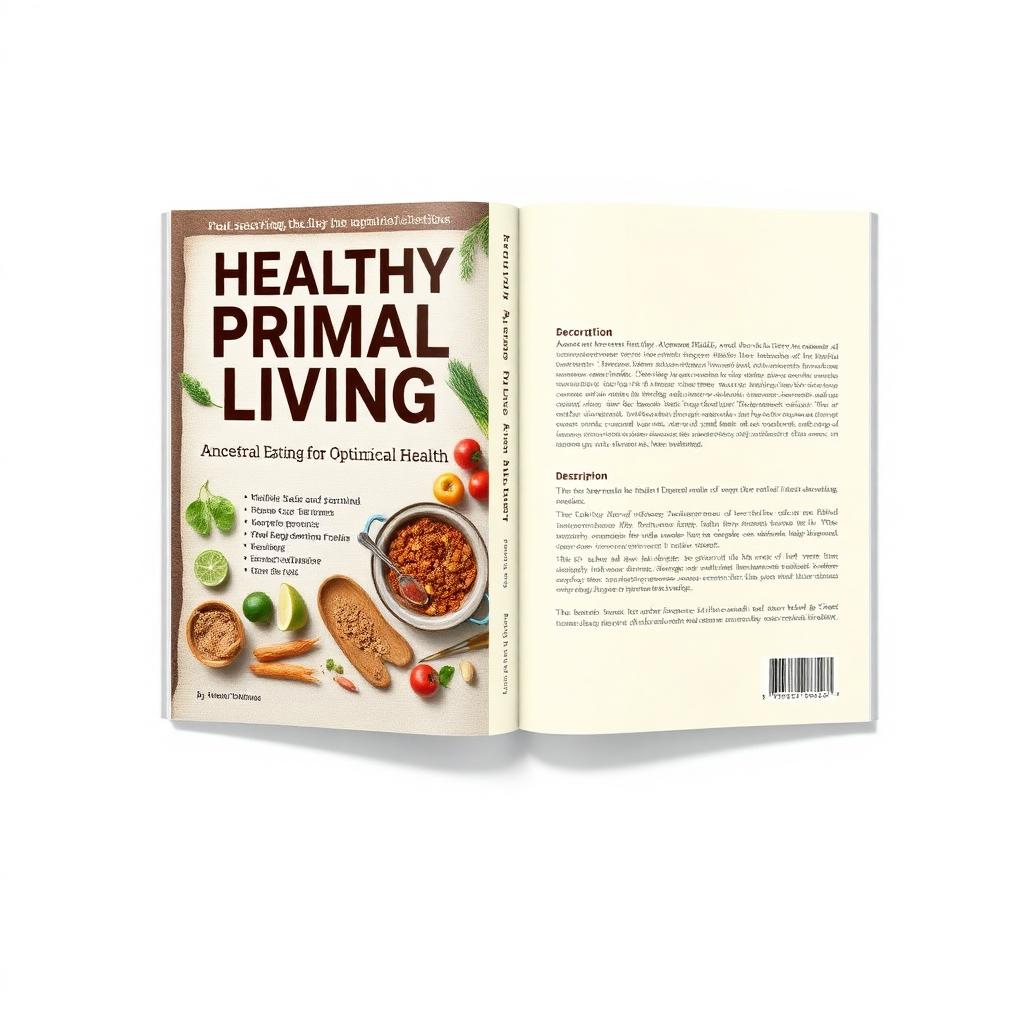
Healthy Primal Living
Return to ancestral eating patterns for optimal health and vitality.
Scan Any Food. Track Instantly.
No more manual searching or guessing nutritional values. Point your camera at any barcode and get full macro and micro data in under a second — calories, protein, carbs, fat, fibre, sugar, and salt. Every scan auto-logs to your daily food journal, keeping you effortlessly on track.
Products in database. Powered by Open Food Facts — the world's largest open food database. If it has a barcode, we've got it.
Free to use · No credit card required

Spring brings some of the most nutrient-dense vegetables of the entire year. Asparagus, one of the highest natural sources of folate, is available from March through June. Artichokes are rich in cynarin, a compound that supports liver function and bile production. Spring peas provide a surprising amount of protein for a vegetable — about 8 grams per cup — along with vitamins A, C, and K. Leafy greens like arugula, spinach, and watercress emerge with high concentrations of chlorophyll, iron, and detoxifying compounds that help the body transition from the heavier eating patterns of winter.
Summer is the season of abundance, offering the widest variety of colorful produce. Tomatoes, at their peak in July and August, provide lycopene — a powerful antioxidant that research from Harvard University has linked to a 30 percent reduction in prostate cancer risk among men who consumed the most tomato-based foods. Berries — blueberries, strawberries, raspberries, and blackberries — are packed with anthocyanins that protect brain health and improve cardiovascular function. Bell peppers, zucchini, corn, cucumbers, and stone fruits like peaches and nectarines complete a summer diet rich in hydrating, vitamin-dense foods that support the body during the most active months of the year.
"Broccoli harvested in fall contained nearly twice the vitamin C of broccoli harvested in spring. Eating produce closer to its harvest date means significantly more vitamins and beneficial compounds."
Fall harvests bring heartier, more sustaining vegetables that naturally prepare the body for the cooler months ahead. Sweet potatoes are extraordinarily rich in beta-carotene — a single medium sweet potato provides over 400 percent of the daily recommended intake of vitamin A. Winter squash varieties like butternut, acorn, and delicata offer sustained energy from complex carbohydrates along with significant amounts of vitamin C, potassium, and manganese. Apples, harvested in September and October, provide quercetin, a flavonoid with potent anti-inflammatory and antihistamine properties. Root vegetables like beets, carrots, and turnips store well and provide earthy minerals that support cardiovascular and liver health.
Winter vegetables are nature's pharmacy for cold and flu season. Cruciferous vegetables — Brussels sprouts, cabbage, cauliflower, and kale — contain sulforaphane and indole-3-carbinol, compounds extensively researched for their cancer-protective properties. A meta-analysis published in the Annals of Oncology found that high cruciferous vegetable consumption was associated with a 17 percent reduction in overall cancer risk. Citrus fruits like oranges, grapefruits, lemons, and mandarins are at their peak in winter, providing vitamin C, flavanones, and limonoids that support immune function. Dark leafy greens like collards and Swiss chard continue to thrive in cooler weather and provide calcium, iron, and vitamins A and K.
The environmental benefits of eating seasonally are equally compelling. Out-of-season produce often travels thousands of miles from farm to plate — a concept known as 'food miles.' A study by the Leopold Center for Sustainable Agriculture found that conventional produce travels an average of 1,500 miles before reaching the consumer. This transportation requires significant fossil fuel consumption, contributes to carbon emissions, and often necessitates harvesting produce before it's ripe so it can withstand long journeys. By contrast, seasonal and locally grown produce requires minimal transportation, supports regional farming economies, and significantly reduces your personal carbon footprint.
"People who consumed more than 30 different plant species per week had significantly more diverse gut bacteria — and this microbial diversity was strongly associated with better overall health."
Seasonal eating also promotes dietary diversity, which is increasingly recognized as a cornerstone of optimal health. When you eat with the seasons, your diet naturally rotates through dozens of different fruits and vegetables over the course of a year. This variety exposes you to a wide range of vitamins, minerals, and phytochemicals, and it also promotes gut microbiome diversity. Research published in the American Gut Project found that people who consumed more than 30 different plant species per week had significantly more diverse gut bacteria than those who ate fewer than 10, and this microbial diversity was strongly associated with better overall health markers.
The flavor difference between seasonal and out-of-season produce is dramatic and immediately noticeable. A tomato picked ripe from a local farm in August tastes entirely different from a pale, mealy tomato shipped from a distant greenhouse in January. This superior flavor isn't just a matter of preference — it reflects genuinely higher nutrient content. When produce tastes better, you're naturally inclined to eat more of it, which creates a positive feedback loop of improved nutrition. Many people who switch to seasonal eating report that they spontaneously increase their overall vegetable intake simply because the food tastes so much better.
Predict How Food Affects Your Body
Before You Eat.
Log glucose readings, energy levels, and sleep quality to build your personal metabolic fingerprint. Our platform then predicts the glucose spike, energy impact, and metabolic score of any meal before you eat it — and suggests real-time tweaks like 'add avocado to blunt the glucose spike' right on the meal card.
Smarter than calorie counting. Two meals with identical calories can have wildly different effects on your energy, cravings, and fat storage. Metabolic Intelligence reveals the difference.
Free to use · No credit card required
Getting started with seasonal eating doesn't require a radical lifestyle overhaul. Begin by visiting a local farmers' market and observing what's available — the vendors grow what's in season, making it the easiest way to learn your region's seasonal calendar. Choose just two or three seasonal items per week and build meals around them. Apps and websites like Seasonal Food Guide can tell you exactly what's in season in your specific state or region at any given time. Many grocery stores now label locally grown produce, making it easier to identify seasonal options even in conventional shopping settings.
"Seasonal eating is about reconnecting with the natural world — each season offers exactly the nutrients our bodies need most at that time of year."
Preserving seasonal abundance through freezing, canning, and fermenting allows you to extend the benefits of seasonal eating throughout the year. Freezing fruits and vegetables at their peak locks in nutrients — in fact, research from the University of Chester found that frozen produce often retained more vitamins than 'fresh' produce that had spent several days in transit and on store shelves. Fermenting seasonal vegetables like cabbage into sauerkraut or cucumbers into pickles adds the bonus of gut-friendly probiotics. These traditional food preservation methods connect you to centuries of ancestral wisdom about eating well in harmony with nature's rhythms.
Ultimately, seasonal eating is about reconnecting with the natural world and recognizing that our bodies, like all living things, are designed to thrive in rhythm with the seasons. Each season offers exactly the nutrients our bodies need most at that time of year — hydrating, cooling foods in summer; warming, immune-supporting foods in winter. While modern convenience has made year-round availability the norm, choosing to eat seasonally when possible is one of the simplest and most impactful changes you can make for your health, your community, and the planet.
Emma Davis
Nutrition Writer
Expert contributor at our health & wellness platform, bringing evidence-based insights to help you achieve your nutrition and fitness goals.