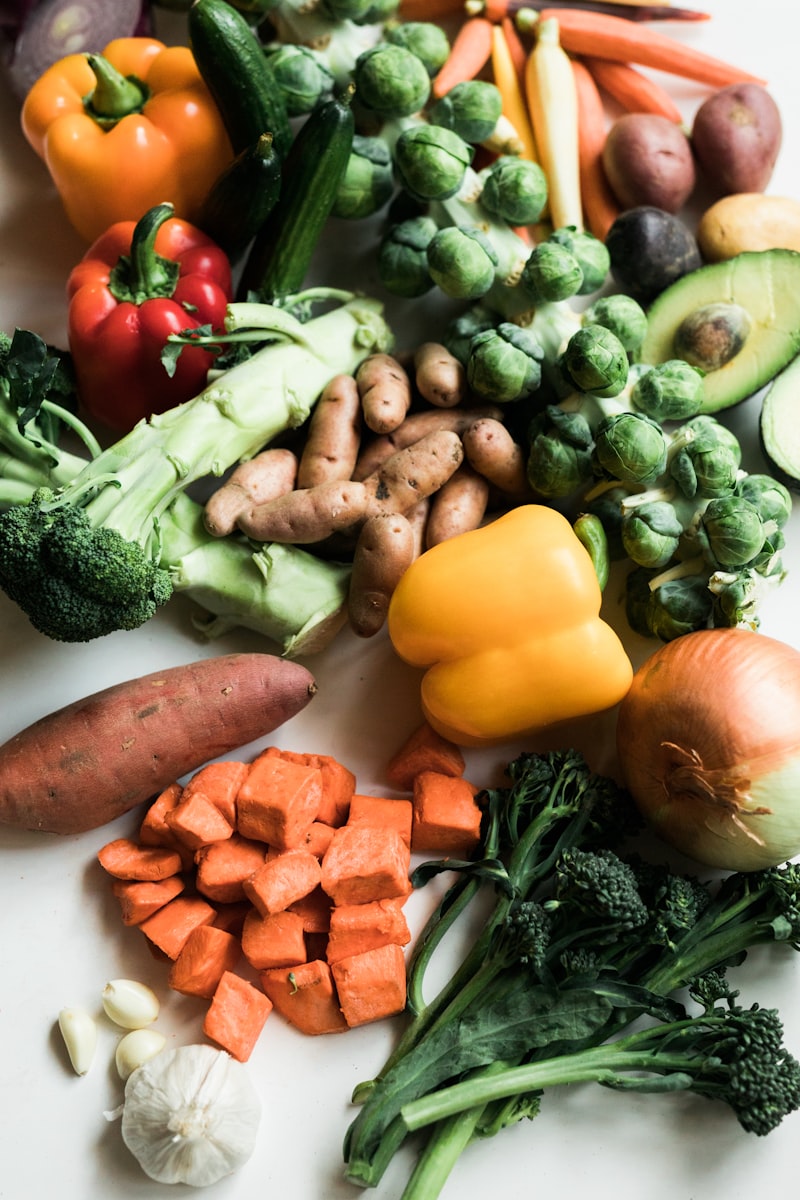
Everything you need to know about the world's healthiest eating pattern, from basic principles to weekly meal plans.
The Mediterranean diet consistently ranks as the world's healthiest eating pattern according to U.S. News & World Report's annual dietary assessments, and this recognition reflects decades of rigorous scientific research rather than marketing. The diet is inspired by the traditional eating habits of populations bordering the Mediterranean Sea — particularly in Greece, southern Italy, and Spain — and has been associated with lower rates of heart disease, type 2 diabetes, cancer, Alzheimer's disease, and overall mortality in hundreds of prospective studies. Unlike most 'diets,' it is not a restrictive protocol but a comprehensive lifestyle approach centered on whole, unprocessed foods, physical activity, and social connection.
The core food groups of the Mediterranean diet are abundant and diverse. Plant foods form the absolute foundation: fruits, vegetables, whole grains, legumes, nuts, and seeds dominate every meal. Extra virgin olive oil replaces butter and other saturated fats as the primary cooking and dressing fat. Fish and seafood are consumed at least twice per week, providing essential omega-3 fatty acids. Poultry, eggs, cheese, and yogurt are eaten in moderate amounts, several times per week. Red meat and sweets are reserved for occasional indulgence — typically no more than a few times per month.
Eat the Right Meal for Your Exact Workout.
Add multiple exercises to your upcoming session, set individual durations, and get blended fuel recommendations with metabolic scores. The AI maps each exercise type to ideal macro ratios and timing, then filters hundreds of meals for the best matches — so you perform at your peak without guesswork.
Train harder. Recover faster. The AI calculates the ideal carb-to-protein ratio and timing window so you fuel up properly and recover faster after every session.
Free to use · No credit card required

The cardiovascular benefits of the Mediterranean diet are among the most extensively studied dietary effects in medicine. The landmark PREDIMED (Prevención con Dieta Mediterránea) trial — a randomized controlled study involving 7,447 high-risk participants — found that a Mediterranean diet supplemented with either extra virgin olive oil or mixed nuts reduced the incidence of major cardiovascular events (heart attack, stroke, or death from cardiovascular causes) by approximately 30 percent over five years compared to a control low-fat diet. These results led to early termination of the trial because the benefits were so clear that withholding the Mediterranean diet from the control group was deemed unethical.
"The Mediterranean diet reduces major cardiovascular events by approximately 30 percent — results so clear that the landmark PREDIMED trial was stopped early because withholding the diet from the control group was deemed unethical."
Intermittent Fasting Formula
Master intermittent fasting with proven protocols for fat loss and longevity.
Beyond cardiovascular health, the Mediterranean diet demonstrates protective effects against cognitive decline and dementia. A study published in the journal Neurology found that high adherence to the Mediterranean diet was associated with a 54 percent lower risk of Alzheimer's disease. The diet's brain-protective effects stem from multiple mechanisms: omega-3 fatty acids from fish maintain brain cell membrane integrity; polyphenols from olive oil, red wine, and colorful produce reduce neuroinflammation; and the fiber from legumes and whole grains supports the gut-brain axis, influencing neurotransmitter production.
The Mediterranean diet's protective effects against type 2 diabetes are also well-documented. A large prospective study in the European Journal of Nutrition found that strict adherence to the Mediterranean diet was associated with a 23 percent reduction in type 2 diabetes risk. The mechanisms include improved insulin sensitivity from monounsaturated fats in olive oil, reduced postprandial glucose spikes from the high fiber content of legumes and whole grains, and reduced systemic inflammation — a key driver of insulin resistance. For people already living with type 2 diabetes, research shows that the Mediterranean diet is at least as effective as a low-fat diet for glycemic control and often more effective for reducing cardiovascular risk factors.
"The Mediterranean diet isn't a restrictive protocol — it's a comprehensive lifestyle approach centred on whole foods, physical activity, and social connection. That's why it's sustainable for life."
Transitioning to a Mediterranean eating pattern doesn't require a complete kitchen overhaul or access to specialty ingredients. The principles are remarkably practical: use olive oil generously for cooking and dressings; eat at least five servings of vegetables and two to three servings of fruit daily; include legumes (beans, lentils, chickpeas) three to four times per week; choose whole grain bread, pasta, and rice over refined versions; eat fish at least twice per week (canned sardines, tuna, and salmon are affordable and nutritious); use herbs and spices liberally instead of excess salt; and snack on a small handful of nuts or a piece of whole fruit rather than processed snacks.
Scan Any Food. Track Instantly.
No more manual searching or guessing nutritional values. Point your camera at any barcode and get full macro and micro data in under a second — calories, protein, carbs, fat, fibre, sugar, and salt. Every scan auto-logs to your daily food journal, keeping you effortlessly on track.
Products in database. Powered by Open Food Facts — the world's largest open food database. If it has a barcode, we've got it.
Free to use · No credit card required
A typical Mediterranean day might look like this: Greek yogurt with honey, walnuts, and fresh berries for breakfast; a large mixed salad with chickpeas, feta, olives, cucumber, and tomatoes dressed with extra virgin olive oil and lemon juice for lunch; a small handful of almonds and an apple as a mid-afternoon snack; and grilled sea bass with roasted asparagus, cherry tomatoes, and a side of whole grain bread for dinner. Red wine — one small glass for women, up to two for men — can be included with meals if desired, though it is not a required component. This type of day provides extraordinary variety, satisfying flavors, and comprehensive nutrition without any counting or restriction.
The social and cultural dimensions of the Mediterranean diet are as important as the food itself. Traditional Mediterranean cultures eat slowly, share meals with family and friends, and treat mealtimes as opportunities for connection rather than fuel stops. Research published in the Journal of Health and Social Behavior found that eating with others was associated with greater happiness, better self-reported health, and higher dietary quality compared to eating alone. Building in regular shared mealtimes — family dinners, lunch with colleagues, weekend meals with friends — amplifies the benefits of the dietary pattern itself.
Chef Marco
Mediterranean Cuisine Expert
Expert contributor at our health & wellness platform, bringing evidence-based insights to help you achieve your nutrition and fitness goals.