100 trillion bacteria live in your gut, influencing everything from mood to immunity.
The human gut microbiome — the vast ecosystem of bacteria, fungi, viruses, and other microorganisms living in your gastrointestinal tract — is one of the most fascinating and consequential discoveries in modern medicine. With roughly 100 trillion microbial cells outnumbering human cells 10 to 1, your gut is far more than a digestive organ. It is a living, dynamic ecosystem that influences your immune system, your mental health, your weight, your risk of chronic disease, and even your personality. Research published in Nature describes the gut microbiome as 'a virtual organ' — one that took billions of years to evolve alongside us and that we are only beginning to understand.
The diversity and composition of your microbiome begins at birth. Babies delivered vaginally are colonized by their mother's vaginal and gut bacteria during passage through the birth canal — an initial seeding that sets the foundation for their immune system development. Breastfed babies receive additional beneficial bacteria, including Bifidobacterium species, through breast milk. By age three, a child's microbiome resembles that of an adult in composition. From that point, the microbial community is shaped continuously by diet, antibiotic exposure, environment, stress, and lifestyle choices.
## What Your Gut Bacteria Actually Do
"Your gut contains more bacteria than your body has human cells — and those bacteria are actively running your immune system, producing your neurotransmitters, and influencing your weight."

Detox Yourself
A complete video guide to safe, effective detoxification.
Your gut bacteria perform hundreds of essential functions that your own cells cannot accomplish. They ferment indigestible plant fibers into short-chain fatty acids (SCFAs) — particularly butyrate, propionate, and acetate — which serve as fuel for intestinal cells, regulate inflammation, and influence metabolism throughout the body. Butyrate specifically acts as the primary energy source for colonocytes (colon cells) and has been shown to reduce colon cancer risk, lower intestinal inflammation, and improve insulin sensitivity.
The microbiome also plays a central role in immune system education. Approximately 70 to 80 percent of your immune cells reside in gut-associated lymphoid tissue (GALT), which requires constant communication with gut bacteria to function correctly. When microbiome diversity is reduced — a condition called dysbiosis — the immune system loses key calibration signals, contributing to the epidemic of autoimmune and allergic conditions seen in industrialized nations. The 'hygiene hypothesis' proposes that reduced childhood exposure to diverse microbes, due to antibacterial products and less contact with nature and animals, has directly contributed to rising rates of allergies, asthma, and autoimmunity.
"Microbial diversity is the single most important measure of gut health. People with the highest diversity have dramatically lower rates of obesity, autoimmunity, and metabolic disease."

🧠 You're not hungry, you're bored. Try a 2-min walk.
✅ 340 kcal under target — on track!
🌅 Skipping breakfast causes 3pm crashes. Fuel up!
🍫 Craving chocolate? That's low magnesium. Try almonds.
😤 Stressed? Don't eat — breathe 4-7-8 for 60 seconds.
We Put Your Journey on Autopilot.
Once assessed, our optional notifications act as "Just-in-Time Adaptive Interventions" (JITAI) — a digital therapist in your pocket. Behavioural scientists say lasting change happens when Motivation, Ability, and a Prompt converge at the same moment. Our coach delivers exactly that, learning from your logged meals, moods, and habits to become more accurate over time. Instead of generic reminders, Marcus sends context-aware nudges grounded in CBT — challenging the specific thought patterns that derail your progress, right when they're most likely to strike.
Your Coach Never Sleeps.
Marcus sends intelligent CBT-based push notifications that rewire your decisions in real time — challenging cognitive distortions before the damage is done.
Gut bacteria also produce and influence neurotransmitters. Approximately 90 percent of the body's serotonin is synthesized in the gut — not the brain — by enterochromaffin cells in the intestinal lining, a process regulated by gut bacteria. Gut bacteria also produce GABA, dopamine precursors, and various neuropeptides. This explains why emerging research consistently links gut microbiome health to mental health outcomes including anxiety, depression, and cognitive function.
## Signs of an Unhealthy Microbiome
Gut dysbiosis — imbalance in the microbiome — manifests in diverse and sometimes unexpected ways. The most obvious signs are digestive: bloating, gas, irregular bowel movements (constipation, diarrhea, or alternating between both), abdominal discomfort, and food intolerances. But dysbiosis also contributes to systemic symptoms including chronic fatigue, brain fog, skin conditions like acne and eczema, frequent infections reflecting impaired immune function, mood instability, and food cravings — particularly for sugar, which feeds less beneficial bacterial strains.
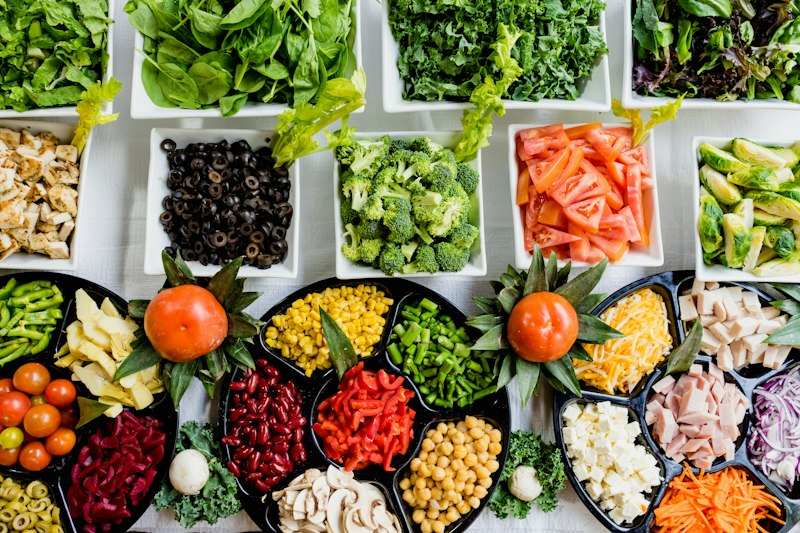
"The strongest predictor of a healthy microbiome isn't a probiotic supplement — it's the number of different plant species you eat per week. Aim for 30 or more."
Research published in Cell has identified specific microbial signatures associated with different disease states. Low levels of Akkermansia muciniphila are linked to obesity and metabolic syndrome. Reduced Faecalibacterium prausnitzii abundance is associated with inflammatory bowel disease. Depleted Bifidobacterium species correlate with allergic conditions. While microbiome testing is becoming more accessible, the field is still developing standardized reference ranges for clinical interpretation.
## The Three Pillars of Microbiome Health
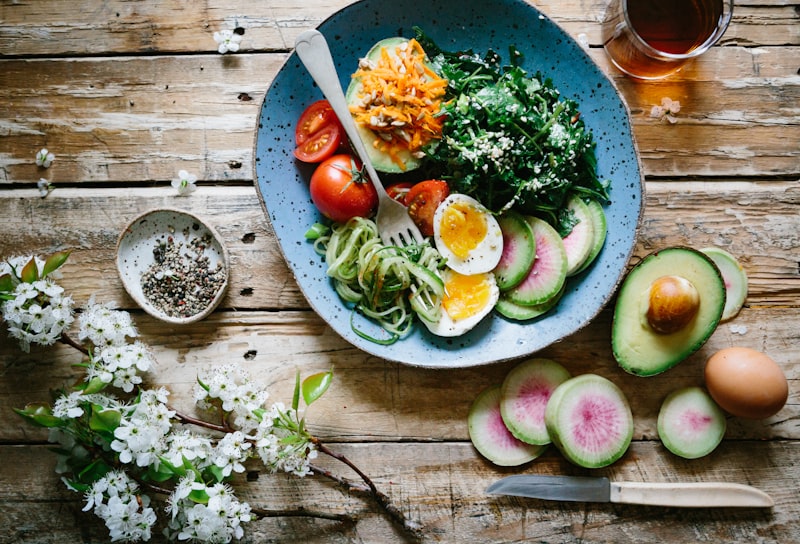
The most evidence-based approach to a healthy microbiome rests on three interdependent pillars. The first is dietary diversity — the foundation that determines microbial diversity. Research from the American Gut Project, analyzing over 10,000 participant samples, found that people who ate more than 30 different plant species per week had significantly more diverse gut microbiomes than those eating fewer than 10. Plant diversity introduces different types of fiber and polyphenols that selectively feed different bacterial communities, creating a rich, balanced ecosystem.
"A single course of broad-spectrum antibiotics can reduce microbial diversity by up to 30%, with full recovery taking six months or longer. Protect your microbiome like the irreplaceable asset it is."
The second pillar is fermented foods. A landmark 2021 Stanford study published in Cell found that a high-fermented-food diet increased microbiome diversity and reduced 19 inflammatory markers more effectively than a high-fiber diet alone. Daily consumption of yogurt, kefir, kimchi, sauerkraut, kombucha, and miso provides diverse live bacterial strains and creates an environment hospitable to beneficial microbial communities.
The third pillar is the avoidance of microbiome disruptors. Broad-spectrum antibiotics are the most significant, capable of reducing microbial diversity by up to 30 percent, with full recovery taking six months or longer. Artificial sweeteners — particularly saccharin, sucralose, and aspartame — have been shown in randomized trials to alter gut microbiome composition in ways associated with glucose intolerance. Emulsifiers like carboxymethylcellulose and polysorbate 80, common in processed foods, disrupt the mucus layer protecting gut bacteria. Chronic psychological stress reduces beneficial species through cortisol's influence on gut motility and immune regulation.
Scan Any Food. Track Instantly.
No more manual searching or guessing nutritional values. Point your camera at any barcode and get full macro and micro data in under a second — calories, protein, carbs, fat, fibre, sugar, and salt. Every scan auto-logs to your daily food journal, keeping you effortlessly on track.
Products in database. Powered by Open Food Facts — the world's largest open food database. If it has a barcode, we've got it.
Free to use · No credit card required
## What Damages Your Microbiome
Beyond antibiotics, several modern lifestyle factors systematically erode microbiome health. Ultra-processed foods — products formulated with industrial ingredients not found in home kitchens — are particularly damaging. A 2022 study in Cell Host & Microbe found that people consuming high amounts of ultra-processed foods had significantly reduced microbial diversity and depleted populations of beneficial Faecalibacterium and Roseburia species, both of which produce the anti-inflammatory butyrate.
Poor sleep is another underappreciated microbiome disruptor. Research published in PLOS One found that sleep restriction altered gut microbiome composition in as little as 48 hours, shifting the ratio of Firmicutes to Bacteroidetes in a direction associated with obesity and metabolic dysfunction. The gut microbiome also has its own circadian rhythm — certain bacterial species peak in abundance at different times of day, synchronized with the host's eating and sleep schedule. Irregular eating times, shift work, and jet lag all disrupt microbial circadian rhythms.
Your gut microbiome requires daily feeding, protection, and intentional lifestyle choices to thrive. The return on this investment is remarkable: a diverse, healthy microbiome supports immunity, metabolic health, mental wellbeing, and longevity in ways that no pharmaceutical can fully replicate. Start with dietary diversity, add fermented foods, protect sleep, and minimize unnecessary antibiotic use — these four actions form the most evidence-based foundation for lifelong gut health.
Dr. Priya Sharma
Gastroenterologist
Expert contributor at our health & wellness platform, bringing evidence-based insights to help you achieve your nutrition and fitness goals.