Insulin resistance affects 88% of Americans. This evidence-based dietary protocol can begin reversing it in weeks.
Insulin resistance — the condition in which cells throughout the body become progressively less responsive to insulin's signal to absorb glucose from the bloodstream — is the central metabolic dysfunction underlying type 2 diabetes, metabolic syndrome, polycystic ovarian syndrome (PCOS), non-alcoholic fatty liver disease, and significantly elevated risk of cardiovascular disease, Alzheimer's disease, and several cancers. A landmark study published in Metabolic Syndrome and Related Disorders found that only 12 percent of American adults meet all criteria for metabolic health — meaning 88 percent show at least some signs of insulin resistance or metabolic dysfunction. The scale of this epidemic makes insulin resistance the defining metabolic health challenge of our era.
The critical and empowering fact about insulin resistance is that it is almost entirely reversible — and dietary intervention is among the most powerful tools for achieving that reversal. Unlike many chronic conditions that respond modestly to lifestyle changes, insulin resistance can begin improving within days of dietary change, with substantial improvements in insulin sensitivity markers achievable within 8 to 12 weeks of sustained adherence to an evidence-based nutritional protocol.
## The Carbohydrate Quality Revolution
"88% of American adults show signs of metabolic dysfunction — yet insulin resistance is almost entirely reversible through targeted dietary change. The diagnosis is not a life sentence."
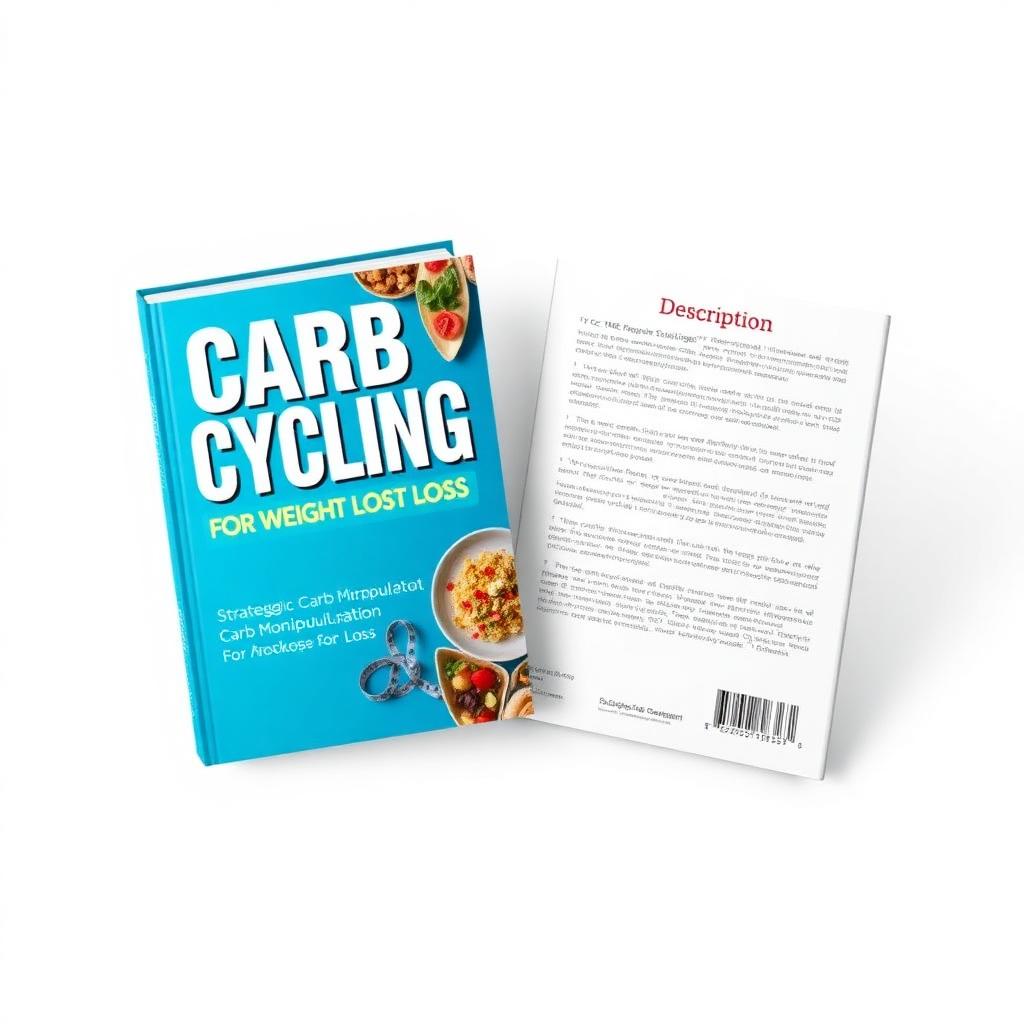
Carb Cycling for Weight Loss
Strategic carb manipulation for fat loss while maintaining muscle mass.
Carbohydrate quality — not quantity alone — is the primary dietary determinant of insulin sensitivity. The glycemic index (GI) and glycemic load (GL) of the diet are strongly predictive of insulin resistance: high-GI diets that produce rapid, large post-meal glucose spikes require correspondingly large insulin responses, and chronically elevated insulin levels drive cellular insulin resistance through receptor downregulation. The carbohydrate quality revolution is not about eliminating carbohydrates but about systematically replacing rapidly digested carbohydrates with slow-release alternatives.
Scan Any Food. Track Instantly.
No more manual searching or guessing nutritional values. Point your camera at any barcode and get full macro and micro data in under a second — calories, protein, carbs, fat, fibre, sugar, and salt. Every scan auto-logs to your daily food journal, keeping you effortlessly on track.
Products in database. Powered by Open Food Facts — the world's largest open food database. If it has a barcode, we've got it.
Free to use · No credit card required

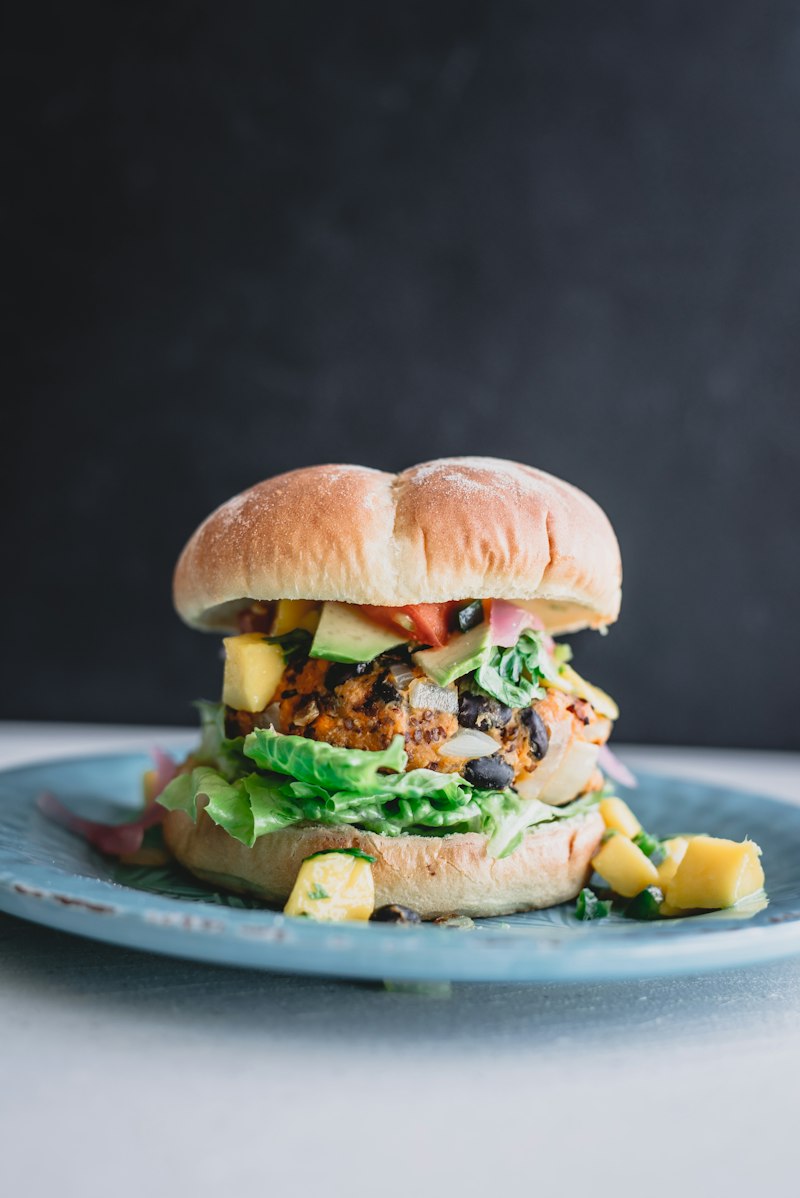
Foods that reverse insulin resistance provide carbohydrates packaged with fiber, protein, fat, and phytochemicals that slow digestion and blunt glucose response. Legumes are the gold standard: a cup of lentils provides approximately 40 grams of carbohydrate but raises blood glucose dramatically less than an equivalent portion of white bread, due to their resistant starch content, high fiber, and protein. A meta-analysis in JAMA Internal Medicine found that substituting legumes for higher-GI foods reduced HbA1c by an average of 0.28 percent — a clinically meaningful reduction comparable to some medications.
"The carbohydrate quality revolution: it's not about eating less carbs, it's about choosing carbs that come packaged with fiber, nutrients, and slow-release energy."
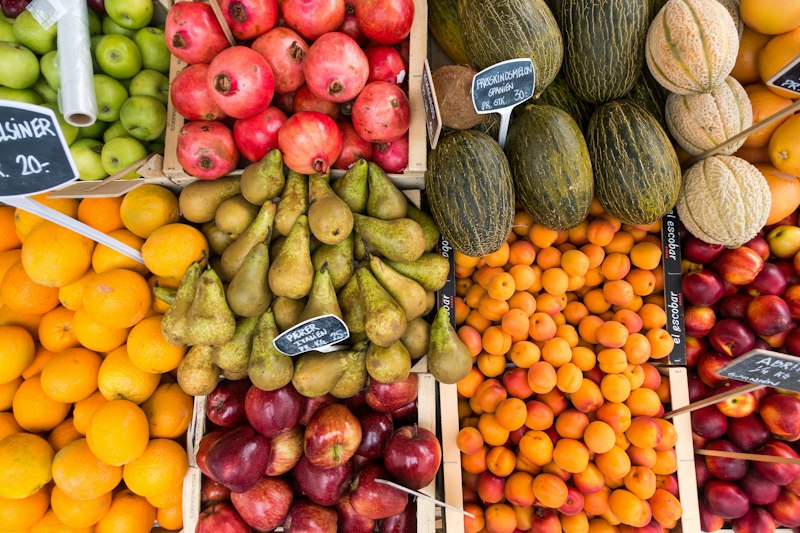
Whole grains replace refined grains: brown rice, oats, barley, quinoa, and bulgur wheat all produce substantially lower glucose responses than their refined counterparts due to intact fiber and physical structure that slows enzymatic digestion. Berries, citrus fruits, and apples provide carbohydrates with high polyphenol content — particularly anthocyanins and flavonoids — that independently improve insulin sensitivity through AMPK activation and reduced oxidative stress. Non-starchy vegetables provide minimal glucose with abundant fiber, vitamins, and minerals that support insulin signaling.
## The Protein-First Eating Strategy
Meal sequencing — the order in which macronutrients are consumed within a meal — has emerged as a remarkably powerful and practically simple strategy for reducing post-meal glucose spikes. Research published in Diabetes Care by Dr. Louis Aronne at Weill Cornell Medicine found that consuming protein and vegetables before carbohydrates in the same meal reduced the 2-hour post-meal glucose response by 28 to 37 percent and the insulin response by 20 percent, compared to consuming carbohydrates first. These reductions are achieved without changing what is eaten — only the sequence.
"Eating protein first at every meal is a deceptively simple strategy that reduces post-meal glucose spikes by up to 40% without changing a single other thing you eat."
The mechanism involves protein and fiber's combined effects on gastric emptying rate and early incretin signaling: consuming protein first slows gastric emptying and triggers early GLP-1 and GIP release from the gut, which in turn primes pancreatic beta cells for more efficient, lower-magnitude insulin responses. The protein-first habit is one of the easiest dietary changes to implement with no caloric or food restrictions — simply starting each meal with the protein and vegetable components before the grain or starchy component produces measurable metabolic benefits.
## Strategic Fat Inclusion
Dietary fat — particularly monounsaturated fat from olive oil, avocados, and nuts — directly improves insulin sensitivity through several mechanisms: improving cell membrane fluidity (which affects insulin receptor function), reducing inflammation that impairs insulin signaling, and slowing gastric emptying to blunt post-meal glucose spikes. The landmark PREDIMED trial found that a Mediterranean diet rich in extra-virgin olive oil or nuts reduced new-onset type 2 diabetes by 52 percent compared to a low-fat control diet.
"80% compliance produces dramatic improvements in insulin sensitivity. Perfectionism is the enemy — consistent good choices outperform occasional perfect ones every time."
Omega-3 fatty acids from fatty fish (salmon, mackerel, sardines, herring) — consumed at least twice weekly — reduce systemic inflammation, a key driver of insulin resistance, and directly activate PPAR-gamma receptors in adipose tissue that improve insulin sensitivity. A meta-analysis of 17 randomized controlled trials found that omega-3 supplementation significantly reduced fasting insulin levels and insulin resistance markers (HOMA-IR) in people with metabolic syndrome.
Predict How Food Affects Your Body
Before You Eat.
Log glucose readings, energy levels, and sleep quality to build your personal metabolic fingerprint. Our platform then predicts the glucose spike, energy impact, and metabolic score of any meal before you eat it — and suggests real-time tweaks like 'add avocado to blunt the glucose spike' right on the meal card.
Smarter than calorie counting. Two meals with identical calories can have wildly different effects on your energy, cravings, and fat storage. Metabolic Intelligence reveals the difference.
Free to use · No credit card required
## Movement as Medicine
Exercise is perhaps the most potent insulin sensitizer available. A single bout of moderate-intensity exercise improves insulin sensitivity for 24 to 72 hours through GLUT4 transporter upregulation in muscle cells — a mechanism completely independent of insulin, meaning exercise allows muscles to absorb glucose even in the presence of significant insulin resistance. Zone 2 cardio (conversational-pace aerobic exercise) performed 150 minutes per week, combined with two to three resistance training sessions per week, produces insulin sensitivity improvements that rival the effects of first-line diabetes medications in clinical trials.
A dietary protocol producing 80 percent compliance — not perfection — combined with regular moderate-intensity exercise produces dramatic improvements in insulin sensitivity markers (fasting insulin, HOMA-IR, fasting glucose, triglycerides, and HDL cholesterol) within 8 to 12 weeks in the majority of patients with insulin resistance. Consistency over months transforms the cellular machinery of insulin signaling in ways that create lasting metabolic health improvements well beyond what any single intervention can achieve.
Dr. Sarah Mitchell
Endocrinologist
Expert contributor at our health & wellness platform, bringing evidence-based insights to help you achieve your nutrition and fitness goals.