
GLP-1 receptor agonists are revolutionizing weight management. Learn how to optimize your nutrition to maximize their effectiveness.
GLP-1 receptor agonists — medications including semaglutide (Ozempic, Wegovy), tirzepatide (Mounjaro, Zepbound), and liraglutide (Victoza, Saxenda) — have fundamentally changed the landscape of metabolic health and weight management. These medications mimic glucagon-like peptide-1, a hormone naturally produced in your gut after eating that signals the brain to reduce appetite, slows gastric emptying, and stimulates insulin secretion in a glucose-dependent manner. By amplifying these natural satiety signals, GLP-1 receptor agonists achieve average weight losses of 15 to 22 percent of body weight in clinical trials — results previously only seen with bariatric surgery.
But the medication is only part of the equation. The nutritional choices made during GLP-1 therapy determine whether the reduced caloric intake achieved through appetite suppression translates into sustainable fat loss, preserved muscle mass, and improved metabolic health — or whether it produces nutrient deficiencies, muscle loss, and eventual weight regain when the medication is discontinued.
## What GLP-1 Does in Your Body
"GLP-1 receptor agonists mimic your body's own satiety signaling — they don't suppress appetite artificially, they amplify the messages your gut was already trying to send."
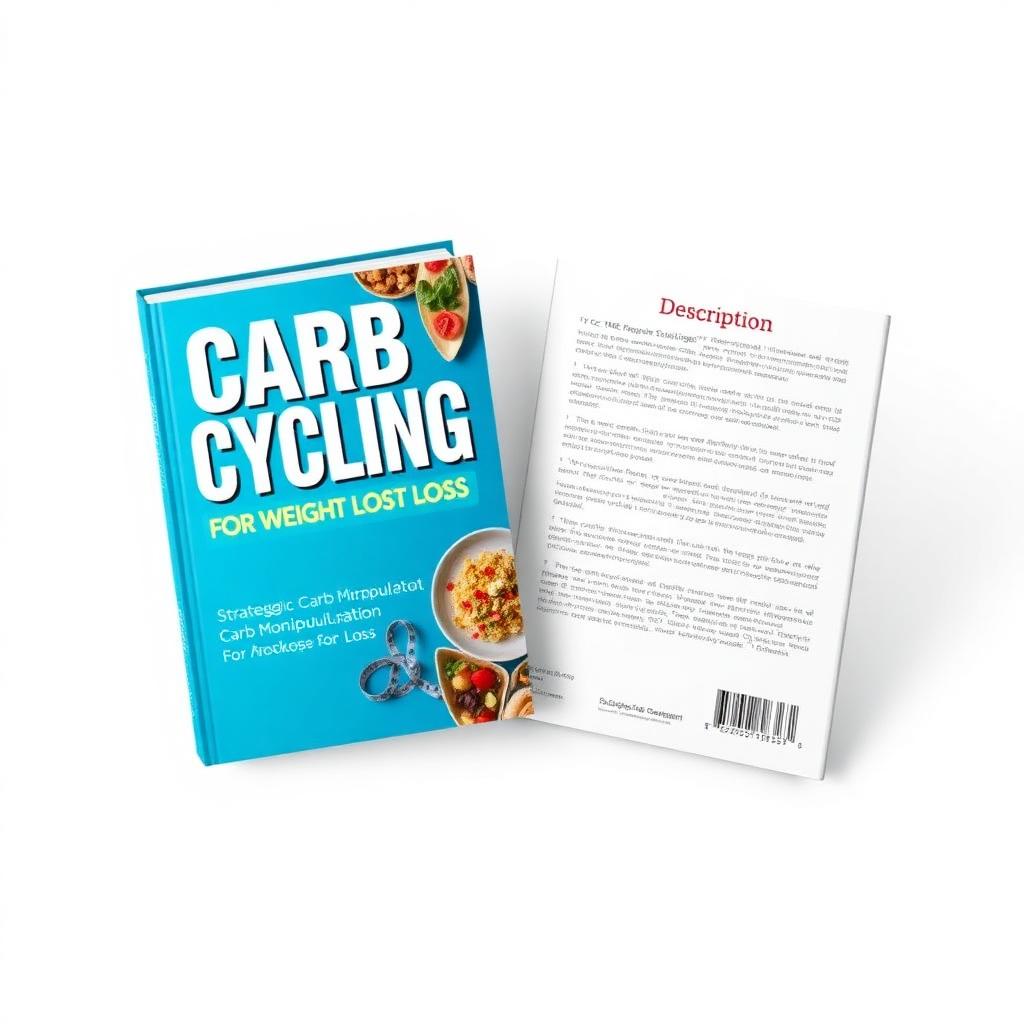
Carb Cycling for Weight Loss
Strategic carb manipulation for fat loss while maintaining muscle mass.
GLP-1 is produced by L-cells in the small intestine and colon in response to food consumption, particularly protein, fat, and certain fibers. Its primary effects are: slowing gastric emptying (food moves more slowly from the stomach to the small intestine, prolonging satiety); signaling the hypothalamus to reduce appetite and food intake; stimulating glucose-dependent insulin secretion from pancreatic beta cells; and suppressing glucagon secretion that would otherwise raise blood sugar. These coordinated effects simultaneously reduce caloric intake, improve blood sugar control, and reduce post-meal glucose spikes.

🧠 You're not hungry, you're bored. Try a 2-min walk.
✅ 340 kcal under target — on track!
🌅 Skipping breakfast causes 3pm crashes. Fuel up!
🍫 Craving chocolate? That's low magnesium. Try almonds.
😤 Stressed? Don't eat — breathe 4-7-8 for 60 seconds.
We Put Your Journey on Autopilot.
Once assessed, our optional notifications act as "Just-in-Time Adaptive Interventions" (JITAI) — a digital therapist in your pocket. Behavioural scientists say lasting change happens when Motivation, Ability, and a Prompt converge at the same moment. Our coach delivers exactly that, learning from your logged meals, moods, and habits to become more accurate over time. Instead of generic reminders, Marcus sends context-aware nudges grounded in CBT — challenging the specific thought patterns that derail your progress, right when they're most likely to strike.
Your Coach Never Sleeps.
Marcus sends intelligent CBT-based push notifications that rewire your decisions in real time — challenging cognitive distortions before the damage is done.
GLP-1 receptor agonist medications produce these effects continuously rather than only after meals — maintaining satiety signaling at levels that dramatically reduce hunger and caloric intake. Clinical trials show average daily caloric reductions of 300 to 500 calories per day on GLP-1 therapy without deliberate dietary restriction — the appetite suppression alone produces a meaningful caloric deficit. The SURMOUNT-1 trial of tirzepatide demonstrated an average weight loss of 22.5 percent of body weight over 72 weeks, with 91 percent of participants losing at least 5 percent of body weight — results that dwarf any dietary intervention studied in controlled trials.
"On GLP-1 therapy, protein becomes your most critical nutrient. Reduced appetite means fewer calories — without strategic protein intake, you risk losing muscle alongside fat."
## Nutritional Priorities on GLP-1 Therapy
Protein becomes the most critical nutritional priority on GLP-1 therapy. The dramatically reduced appetite means total caloric intake may fall to 1,200 to 1,600 calories per day, and without intentional protein prioritization, muscle tissue becomes a significant source of the energy deficit. Research analyzing body composition changes in GLP-1 trial participants found that approximately 25 to 40 percent of weight lost consisted of lean mass (muscle, bone, and organ tissue) rather than fat — a proportion that worsens long-term outcomes by reducing resting metabolic rate, impairing functional capacity, and increasing the risk of weight regain.
The evidence-based protein target on GLP-1 therapy is 1.2 to 1.6 grams per kilogram of ideal body weight per day — significantly higher than general population recommendations. For a person with an ideal body weight of 70 kilograms, this translates to 84 to 112 grams of protein daily. Given the reduced appetite, achieving this target requires intentional food selection: prioritizing protein-first eating at every meal, choosing high-protein, lower-calorie foods (Greek yogurt, cottage cheese, eggs, lean poultry, fish, legumes, tofu), and considering protein supplementation if dietary protein consistently falls short.
"The medication creates the window of opportunity. Nutrition and lifestyle changes are what determine whether your results last long after the prescription ends."
Resistance training is non-negotiable on GLP-1 therapy for the same reason: without the anabolic stimulus of strength training, the caloric deficit created by appetite suppression results in disproportionate muscle loss. Two to three resistance training sessions per week provide the mechanical stimulus that signals the body to preserve and build muscle tissue even during significant caloric restriction. The combination of adequate protein intake plus resistance training during GLP-1 therapy dramatically shifts body composition outcomes toward fat loss and muscle preservation.
## Managing Common Side Effects Through Diet
Nausea is the most common side effect of GLP-1 therapy, affecting approximately 40 to 50 percent of users during dose escalation. Nutrition strategies that reduce nausea include: eating smaller, more frequent meals; avoiding high-fat and highly spiced foods, which slow gastric emptying further on top of the medication's effects; eating slowly and chewing thoroughly; staying upright for at least two hours after eating; and ginger — either fresh ginger tea, ginger chews, or ginger supplementation — which has clinical evidence for reducing medication-induced nausea.
"GLP-1 therapies work best as part of a comprehensive strategy — the patients who achieve lasting transformation use the medication as a launchpad, not a solution."
Constipation affects 20 to 25 percent of GLP-1 users due to the medication's gastric-slowing effects. Adequate hydration (8 to 10 cups of water daily), soluble fiber from oats, flaxseeds, and psyllium, and regular physical activity counteract this side effect. Some patients find that probiotic supplements or fermented foods help maintain gut motility during GLP-1 therapy.
Scan Any Food. Track Instantly.
No more manual searching or guessing nutritional values. Point your camera at any barcode and get full macro and micro data in under a second — calories, protein, carbs, fat, fibre, sugar, and salt. Every scan auto-logs to your daily food journal, keeping you effortlessly on track.
Products in database. Powered by Open Food Facts — the world's largest open food database. If it has a barcode, we've got it.
Free to use · No credit card required
## The Post-GLP-1 Nutrition Strategy
The most important long-term question about GLP-1 therapy is what happens when the medication is discontinued — either by choice, due to cost, or due to supply issues. The STEP 4 trial found that participants who discontinued semaglutide regained an average of two-thirds of their lost weight within one year. This regain is not evidence of personal failure — it reflects the return of the hormonal hunger signals that the medication was suppressing. GLP-1 therapy is most effective when the period of appetite suppression is used to establish durable behavioral habits: learning appropriate portion sizes, developing a preference for protein-rich foods, establishing a consistent exercise routine, and building the cooking skills and meal planning systems that make healthy eating automatic.
The medication creates the window; the lifestyle changes determine what's built in that window. Patients who use GLP-1 therapy as a launchpad for comprehensive lifestyle transformation — rather than as a passive weight loss solution — achieve meaningfully better long-term outcomes. Regular consultations with a registered dietitian during GLP-1 therapy to optimize nutrition, address side effects, and build sustainable dietary habits represent an investment that dramatically improves the durability of the metabolic improvements achieved.
Dr. Sarah Mitchell
Endocrinologist
Expert contributor at our health & wellness platform, bringing evidence-based insights to help you achieve your nutrition and fitness goals.