
Stuck at the same weight for weeks? Here are evidence-based strategies to break through.
Weight loss plateaus — periods of several weeks where weight loss stalls despite continued dietary effort — are among the most frustrating experiences in any weight management journey, and they are almost universal among people who pursue meaningful weight loss. Understanding why plateaus occur helps distinguish true plateaus from the normal weight fluctuations that are often mistaken for stalls, and guides the selection of appropriate strategies for resuming progress. Most apparent plateaus are actually periods of normal weight stability that resolve with continued consistency. True metabolic plateaus require more targeted interventions.
Before implementing any plateau-busting strategy, confirm that you are actually experiencing a genuine plateau rather than normal weight fluctuation or inaccurate caloric estimation. Weigh yourself daily for two weeks and calculate the weekly average — a genuine plateau is a flat or upward-trending average over two or more consecutive weeks despite adherence to your dietary plan. Also reassess your caloric tracking accuracy: research from Cornell University found that people consistently underestimate their caloric intake by 10 to 25 percent, and this underestimation increases with higher caloric intake. Measuring portions with a food scale rather than estimating volumes for one week often reveals meaningful underestimates that explain the apparent plateau.
We Don't Just Tell You What to Do.
We Tell You Why You Failed Before.
Most people treat health like a math problem — but it's a behavioural problem. Our combined psychology assessment identifies the patterns sabotaging both your diet and fitness progress, then builds one unified plan that works with your real personality.
More likely to succeed. Programs incorporating CBT result in significantly better long-term weight maintenance.
Diet + Fitness combined · Completely free · ~4 minutes

8 diet profiles + 8 fitness profiles — which combination are you?
Strategy 1: Reassess your caloric needs. As you lose weight, your body requires fewer calories at rest and during exercise because you are moving a smaller body mass. A person who has lost 20 pounds needs approximately 100 to 200 fewer calories per day to create the same deficit they began with. Recalculating your TDEE based on your current weight and adjusting your caloric intake accordingly — typically reducing by 50 to 100 calories — often reignites progress without requiring dramatic further restriction.
"Most apparent plateaus are actually normal weight stability that resolves with consistency. True metabolic plateaus — where fat loss has genuinely stalled — require more targeted interventions."
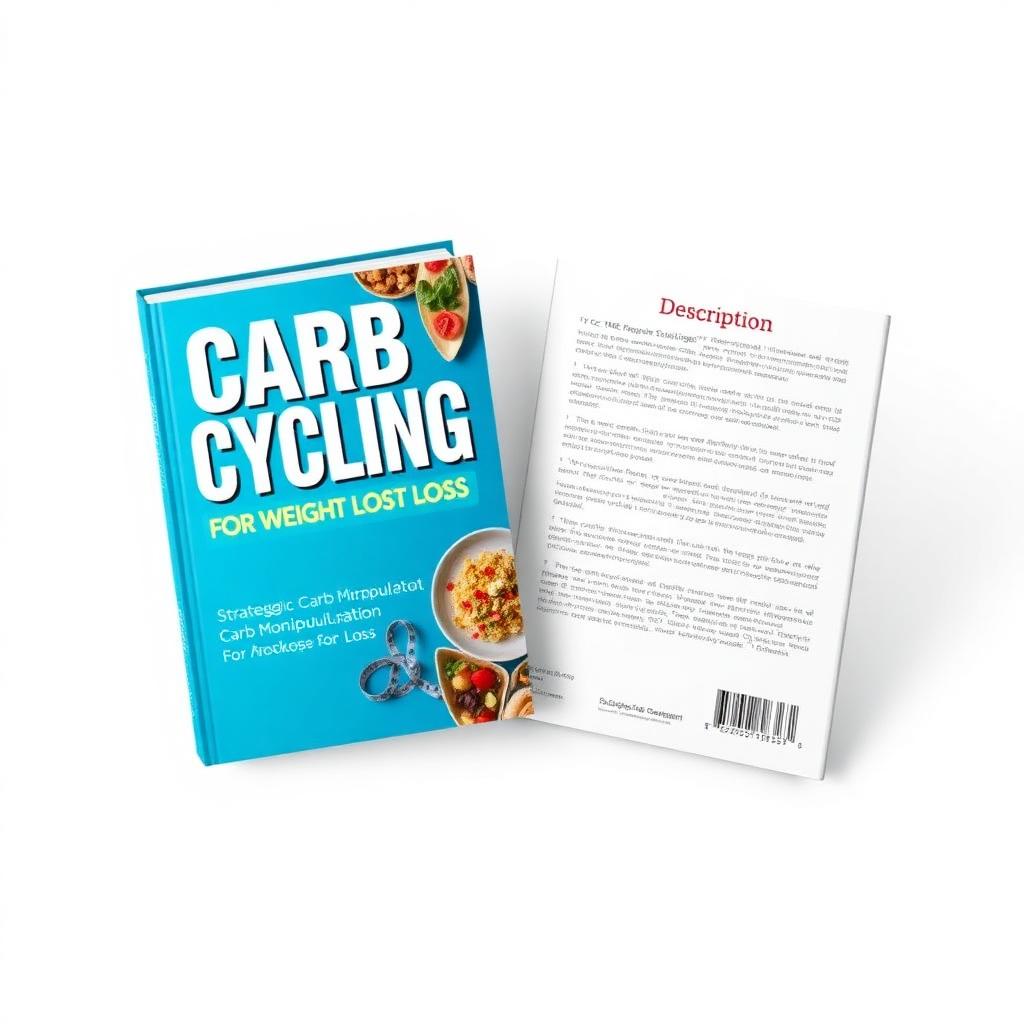
Carb Cycling for Weight Loss
Strategic carb manipulation for fat loss while maintaining muscle mass.
Strategy 2: Take a planned diet break. Adaptive thermogenesis — the metabolic slowdown that accompanies prolonged caloric restriction — can reduce TDEE by 200 to 500 calories below what body composition changes alone would predict. A diet break of one to two weeks at maintenance calories (not a free-for-all, but deliberately eating at estimated maintenance) has been shown in research from the University of Tasmania to reduce adaptive thermogenesis by approximately 31 percent and improve subsequent fat loss rates compared to continuous dieting. This counterintuitive pause often accelerates long-term progress.
Strategy 3: Increase NEAT (Non-Exercise Activity Thermogenesis). Caloric restriction suppresses spontaneous physical activity — you naturally move less when eating less, often without conscious awareness. Research from the Mayo Clinic found that NEAT suppression during dieting can reduce caloric expenditure by 100 to 300 calories per day independently of formal exercise. Setting hourly movement reminders, using a standing desk, choosing to walk instead of sitting during phone calls, and increasing general daily step count by 1,000 to 2,000 steps per day can counteract NEAT suppression and restart caloric deficit.
"People consistently underestimate caloric intake by 10 to 25 percent. Before changing your strategy, spend one week measuring portions with a food scale — the plateau may be a tracking problem."
Eat the Right Meal for Your Exact Workout.
Add multiple exercises to your upcoming session, set individual durations, and get blended fuel recommendations with metabolic scores. The AI maps each exercise type to ideal macro ratios and timing, then filters hundreds of meals for the best matches — so you perform at your peak without guesswork.
Train harder. Recover faster. The AI calculates the ideal carb-to-protein ratio and timing window so you fuel up properly and recover faster after every session.
Free to use · No credit card required

Strategy 4: Prioritize sleep and stress management. Both chronic sleep deprivation and elevated cortisol from stress independently impair fat loss by disrupting leptin, ghrelin, insulin, and sex hormone regulation. If sleep quality or quantity has deteriorated, addressing this before modifying diet or exercise is often the highest-leverage plateau-breaking intervention. Even one week of improving from 6 to 7.5 hours of sleep can meaningfully improve the hormonal environment for fat loss.
Strategies 5 through 8: Change your exercise stimulus by introducing new movement patterns or intensities (novelty prevents adaptation); reconsider your alcohol intake, as even moderate alcohol consumption can account for 500 to 1,500 untracked calories per week; address potential underlying hormonal issues (thyroid dysfunction, insulin resistance, polycystic ovarian syndrome) with your healthcare provider if progress remains genuinely stalled despite consistent effort; and consider tracking protein separately to ensure you're consistently consuming 1.6 to 2.0g/kg daily, as inadequate protein during a plateau often means muscle is being lost rather than fat, further compromising metabolic rate. Combining two or three of these strategies simultaneously typically produces the multi-pronged effect needed to break through a genuine plateau.
Dr. Mike Wilson
Weight Management Specialist
Expert contributor at our health & wellness platform, bringing evidence-based insights to help you achieve your nutrition and fitness goals.