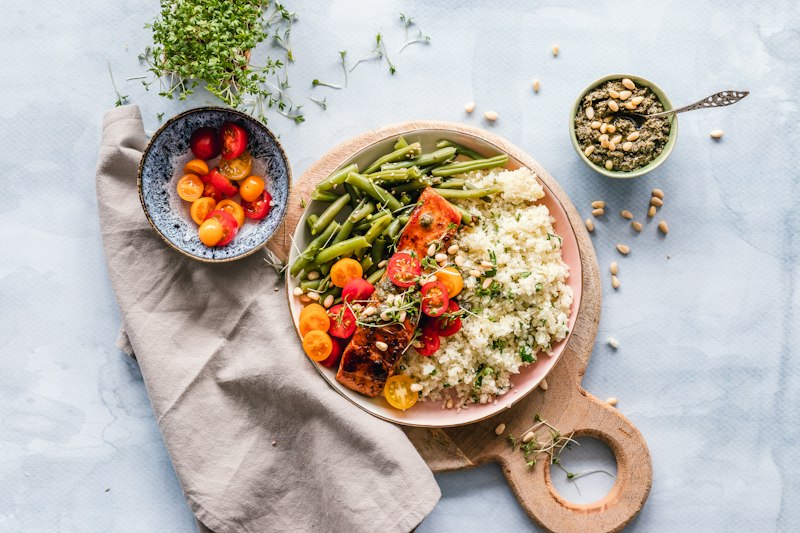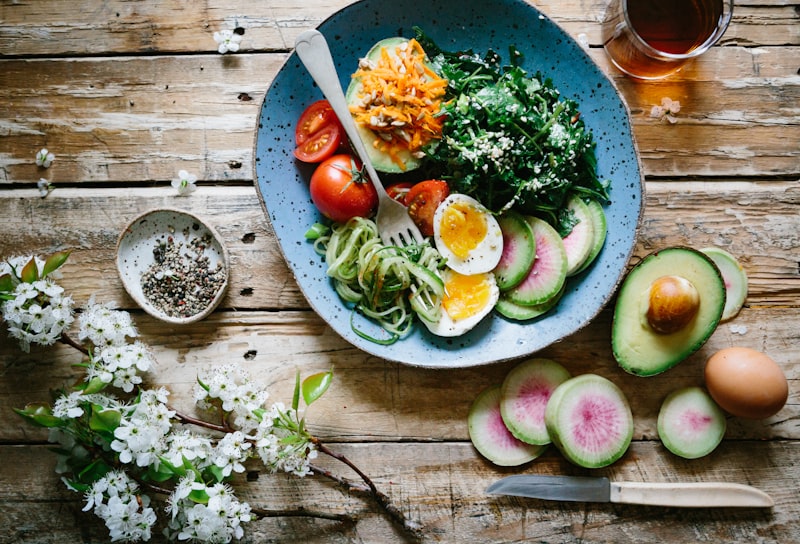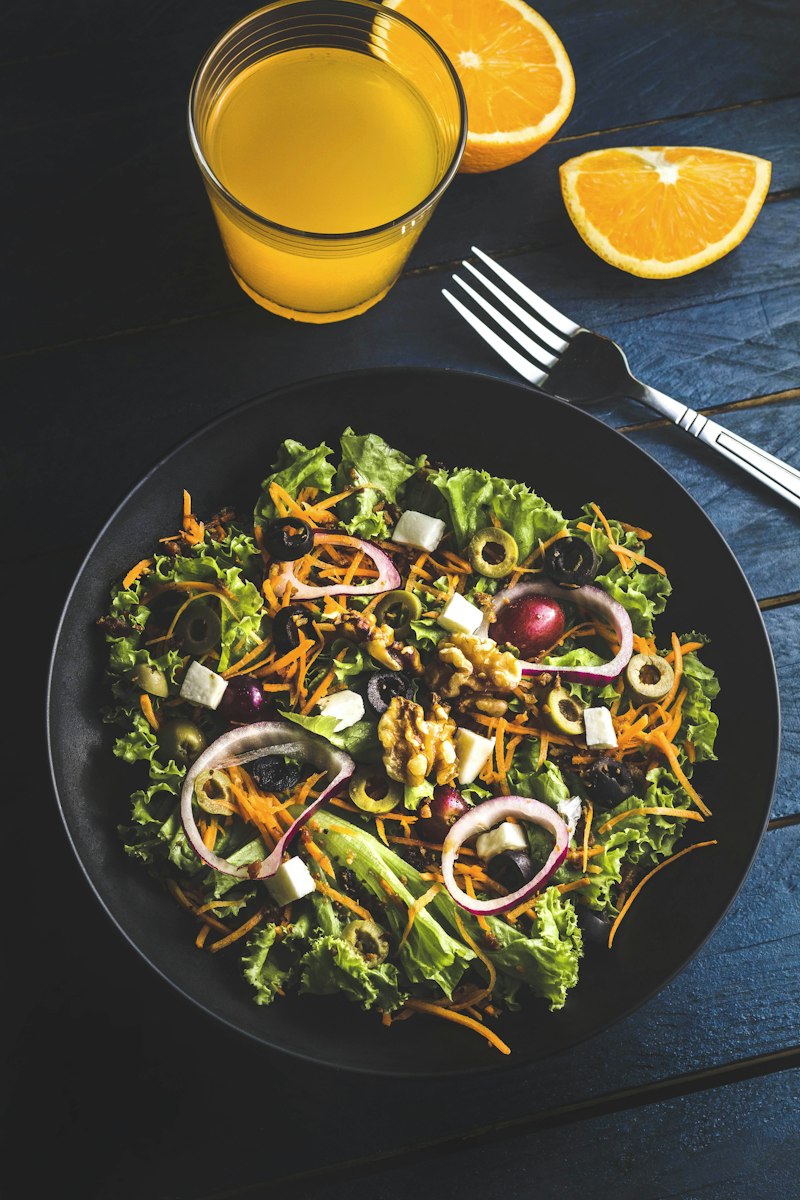
People eating 30+ different plants per week have the most diverse microbiomes.
The most compelling finding to emerge from large-scale microbiome research is deceptively simple: the single strongest dietary predictor of a diverse, healthy gut microbiome is the number of different plant species consumed per week. The American Gut Project — the world's largest citizen science microbiome study, analyzing over 10,000 participant stool samples — found that people who consumed more than 30 different plant foods per week had dramatically more diverse gut microbiomes than those who ate fewer than 10, regardless of whether they identified as omnivores, vegetarians, or vegans.
Microbial diversity is increasingly recognized as the central metric of gut health. A diverse microbiome has greater functional redundancy — more different species capable of performing each essential function — making it more resilient to disruption from antibiotics, illness, stress, or dietary changes. Low microbial diversity, by contrast, is associated with obesity, inflammatory bowel disease, type 2 diabetes, colorectal cancer, depression, and autoimmune conditions. The diversity that 30+ plants per week supports is not merely correlated with health — it appears to be causally protective.
## Why Diversity Matters More Than Quantity
"The American Gut Project found one clear pattern across 10,000 participants: people eating 30+ plant species per week had dramatically more diverse microbiomes than those eating fewer than 10."

Detox Yourself
A complete video guide to safe, effective detoxification.
Scan Any Food. Track Instantly.
No more manual searching or guessing nutritional values. Point your camera at any barcode and get full macro and micro data in under a second — calories, protein, carbs, fat, fibre, sugar, and salt. Every scan auto-logs to your daily food journal, keeping you effortlessly on track.
Products in database. Powered by Open Food Facts — the world's largest open food database. If it has a barcode, we've got it.
Free to use · No credit card required

The relationship between plant diversity and microbiome diversity exists because different plant foods contain different types of fiber and polyphenols that selectively feed different bacterial communities. Eating 500 grams of broccoli feeds the specific bacteria that ferment glucosinolates and certain inulin-type fibers. Eating 100 grams each of broccoli, blueberries, lentils, walnuts, and oats feeds five distinct bacterial communities simultaneously, creating broader microbial support. The gut ecosystem is more like a rainforest than a monoculture farm: maximum diversity requires maximum variety of inputs.
Polyphenols — the thousands of plant compounds responsible for color, flavor, and bitterness — provide an additional dimension of microbial benefit beyond fiber. Gut bacteria ferment polyphenols into bioactive metabolites that reduce inflammation, protect the gut lining, and modulate immune function. Different polyphenol classes (anthocyanins in berries, curcumin in turmeric, quercetin in onions, resveratrol in grapes, lignans in flaxseed) are fermented by different bacterial species — so the diversity of polyphenols in your diet directly drives the diversity of polyphenol-fermenting bacteria in your gut.
"Every different plant food provides unique fibers and polyphenols that feed specific bacterial communities. A varied plant intake grows a more resilient microbiome than any supplement can achieve."
## What Counts as a 'Plant'?
The 30-plant target is more accessible than it initially sounds once you understand the broad definition of 'plant.' Every distinct plant species consumed counts, including: all vegetables and leafy greens; all fruits; all grains and pseudograins (rice, wheat, oats, quinoa, barley, millet, and each counts separately); all legumes (each variety of bean, lentil, and pea counts separately); all nuts and seeds; and all herbs and spices. This last category is genuinely exciting for practical purposes — adding parsley, oregano, turmeric, ginger, cumin, cinnamon, and black pepper to your cooking contributes seven separate plant species in quantities as small as half a teaspoon.
The same plant counts each time you eat it — so broccoli on Monday and broccoli on Thursday counts twice. Different preparations of the same plant each count separately in some frameworks (cooked broccoli and raw broccoli provide somewhat different fiber structures and thus different microbial effects), though the most conservative approach counts each species only once per week. Using the conservative approach, most people eating a typical Western diet consume roughly 8 to 12 plant species per week — demonstrating how far below the 30-plant target most modern diets fall.
"Herbs and spices count as plants. Adding parsley, oregano, turmeric, and ginger to your cooking isn't just flavoring — it's microbiome medicine delivered in milligrams of concentrated polyphenols."
## The Easy Framework for 30+
Reaching 30 plants per week becomes straightforward with a simple structural framework. Each day, aim for: 2 to 3 different vegetables at lunch and dinner (that's already 4 to 6 per day), 1 to 2 different fruits, 1 whole grain, 1 legume, and 1 small handful of nuts or seeds. Over seven days, this structure alone delivers 35 to 50 plant foods — without any unusual or specialty ingredients. The key is variation: swap the grain from rice to quinoa to oats to barley across the week; alternate the legume from black beans to lentils to chickpeas to edamame; rotate through different vegetables rather than defaulting to the same two or three.
Eat the Right Meal for Your Exact Workout.
Add multiple exercises to your upcoming session, set individual durations, and get blended fuel recommendations with metabolic scores. The AI maps each exercise type to ideal macro ratios and timing, then filters hundreds of meals for the best matches — so you perform at your peak without guesswork.
Train harder. Recover faster. The AI calculates the ideal carb-to-protein ratio and timing window so you fuel up properly and recover faster after every session.
Free to use · No credit card required
## Practical Shortcuts
"Most people can comfortably reach 30+ plants per week simply by adding variety to existing meals — swapping one grain for another, adding a different vegetable, choosing a new herb."
Several practical strategies dramatically increase plant diversity without requiring elaborate cooking. Mixed bags of salad greens provide 3 to 6 plant species in a single ingredient. Frozen mixed vegetables — often containing peas, corn, carrots, broccoli, green beans, and more — provide 4 to 6 plants in a single convenient package. Mixed berry blends provide 3 to 4 fruit species. Buying mixed nuts rather than single-variety nuts delivers 4 to 6 nut species. Grain blends (quinoa with brown rice and red rice, for example, available at most supermarkets) provide 2 to 3 grains simultaneously. A 'something different' rule — choosing one different plant food each grocery trip that you haven't bought in the past two weeks — adds progressive variety without disrupting existing meal patterns.
Herb and spice intentionality is perhaps the simplest high-impact strategy. Keeping a diverse spice rack and using it liberally adds dozens of plant species with minimal effort. A single curry dish with turmeric, cumin, coriander, ginger, garlic, and black pepper contributes six plant species before any vegetables are added. Meal preparation that incorporates fresh herbs — basil, parsley, cilantro, dill, mint, chives — adds further variety. Most people who actively pursue the 30-plant challenge find they comfortably reach 35 to 45 plants per week within two weeks of focused effort — and the microbiome changes that follow are measurable within just a few weeks.
Liam O'Brien
Gut Health Nutritionist
Expert contributor at our health & wellness platform, bringing evidence-based insights to help you achieve your nutrition and fitness goals.