70-80% of your immune cells reside in your gut.
When most people think about their immune system, they think about white blood cells circulating in the bloodstream, lymph nodes swelling during infection, or the thymus producing T-cells. What they rarely consider is that approximately 70 to 80 percent of the body's immune cells are concentrated not in the blood or lymph nodes but in the gastrointestinal tract — in a specialized tissue network called gut-associated lymphoid tissue (GALT). This extraordinary concentration of immune tissue at the gut wall is not coincidental: the gut is the body's primary interface with the external world, processing more foreign material — food proteins, bacteria, viruses, toxins, and environmental compounds — than any other organ system.
The GALT includes Peyer's patches (organized lymphoid nodules in the small intestinal wall), mesenteric lymph nodes (the largest lymph nodes in the body), intraepithelial lymphocytes embedded within the gut epithelium, and lamina propria immune cells directly beneath the gut lining. This extraordinary immune apparatus performs a task of phenomenal complexity: it must distinguish between harmless food proteins (which must be tolerated) and dangerous pathogens (which must be attacked), between commensal gut bacteria (which must be allowed to coexist) and invading pathogens (which must be eliminated). When this discrimination fails — due to gut dysbiosis, increased intestinal permeability, or microbiome damage — the consequences are food allergies, autoimmune diseases, or chronic inflammatory conditions.
## How Gut Bacteria Train Your Immune System
"70–80% of your immune cells reside in gut-associated lymphoid tissue. Your gut isn't just where food goes — it's the headquarters of your entire immune defense system."

Detox Yourself
A complete video guide to safe, effective detoxification.
The relationship between gut bacteria and immune development begins at birth and continues throughout life. Newborns are immunologically naive — their immune systems have encountered no pathogens and have not yet learned to distinguish friend from foe. The initial microbial colonization of the gut in the first weeks and months of life provides the education the immune system needs to calibrate correctly. Gut bacteria communicate with immune cells through pattern recognition receptors (toll-like receptors and NOD-like receptors) that recognize specific molecular patterns on microbial surfaces. This recognition triggers regulatory responses that establish immune tolerance to commensal bacteria and food proteins while maintaining vigilance against pathogens.
Predict How Food Affects Your Body
Before You Eat.
Log glucose readings, energy levels, and sleep quality to build your personal metabolic fingerprint. Our platform then predicts the glucose spike, energy impact, and metabolic score of any meal before you eat it — and suggests real-time tweaks like 'add avocado to blunt the glucose spike' right on the meal card.
Smarter than calorie counting. Two meals with identical calories can have wildly different effects on your energy, cravings, and fat storage. Metabolic Intelligence reveals the difference.
Free to use · No credit card required

Germ-free animals raised without any gut bacteria provide the starkest demonstration of how critical microbial exposure is for immune development. These animals have severely underdeveloped GALT, dramatically reduced secretory IgA production, impaired T-regulatory cell development, and exaggerated responses to both allergens and pathogens. When germ-free animals are colonized with normal gut bacteria early in life, immune function normalizes — but colonization in adulthood produces incomplete restoration, suggesting that early microbial exposure establishes lasting immune programming that cannot be fully recapitulated later.
"Gut bacteria train your immune system from birth. Without diverse microbial exposure in early life, the immune system loses calibration and is prone to attacking self-tissue and harmless allergens."
Regulatory T-cells (Tregs) are perhaps the most important immune cells shaped by gut bacteria. Tregs suppress excessive immune responses, preventing autoimmunity and allergic reactions. Specific gut bacteria — particularly Clostridia species and Faecalibacterium prausnitzii — are powerful inducers of Treg development. A 2011 landmark study in Science found that colonization of germ-free mice with a mix of 46 Clostridia species dramatically increased colonic Treg numbers and protected against colitis and allergic disease. Antibiotic-induced depletion of these Treg-inducing bacteria in infancy has been associated with increased rates of allergic and autoimmune conditions in multiple epidemiological studies.
## The Gut Barrier as First Defense
Before the immune system even engages, the physical gut barrier provides primary defense against pathogen invasion. The single-cell-thick intestinal epithelium is protected by a mucus layer produced by goblet cells — a gel-like barrier populated with antimicrobial peptides, secretory IgA (sIgA), and commensal bacteria that compete with pathogens for adhesion sites. Secretory IgA — the most abundantly produced antibody in the human body, produced at a rate of 3 to 5 grams per day — is synthesized exclusively in the gut and provides the first specific immune defense at mucosal surfaces. sIgA neutralizes viruses and bacteria in the gut lumen before they can breach the epithelial barrier, without triggering the inflammatory immune responses that damage tissue.
"Secretory IgA — produced exclusively in the gut — is your first-line mucosal defense against pathogens. A healthy microbiome is the primary stimulus for robust sIgA production."
Gut bacteria are essential drivers of sIgA production. Germ-free animals produce minimal sIgA and are dramatically more susceptible to mucosal pathogens. Specific bacteria — particularly Segmented Filamentous Bacteria (SFB) in mice, and analogous human species — are potent inducers of intestinal IgA responses. When gut dysbiosis reduces these IgA-stimulating species, mucosal immune defense is compromised, increasing susceptibility to intestinal infections, respiratory infections, and pathogen colonization.
## Foods That Boost Gut Immunity
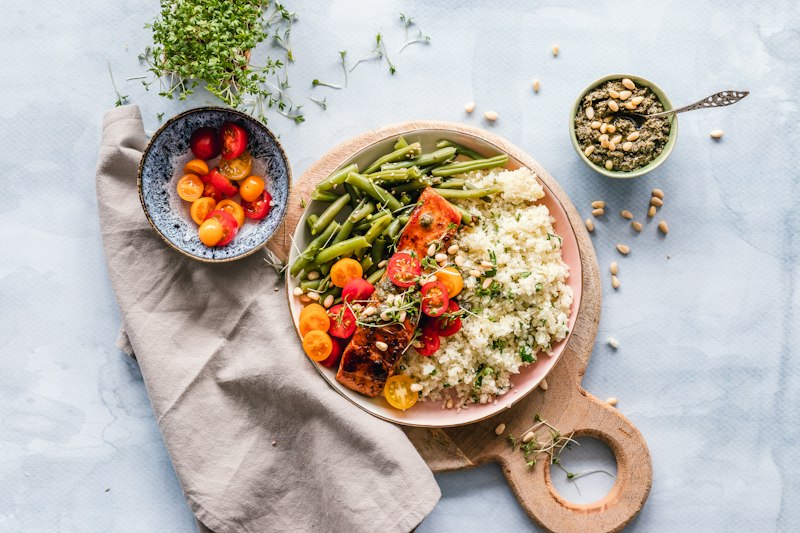
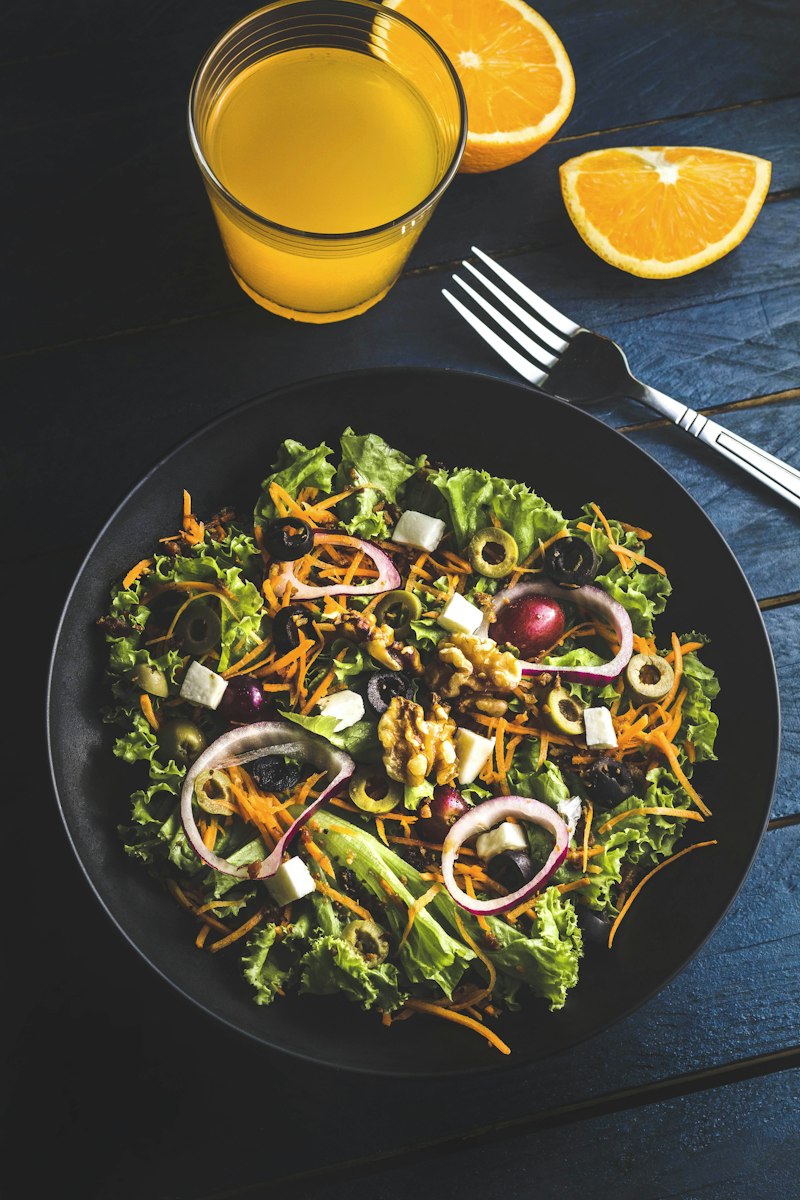
Several dietary strategies specifically support gut immune function. Vitamin A (from orange and yellow vegetables, liver, and dairy) is essential for the development of gut-associated lymphoid tissue and the maintenance of intestinal epithelial integrity. Vitamin D deficiency is strongly associated with increased susceptibility to gut infections and reduced sIgA production — research shows that vitamin D supplementation to optimal levels (above 50 ng/mL) improves gut barrier function and immune response. Zinc from meat, shellfish, legumes, and seeds supports the proliferation and function of intestinal immune cells and is specifically required for tight junction protein synthesis.
"The gut microbiome distinguishes between harmful invaders and harmless food proteins. When this discrimination fails — due to dysbiosis — food allergies and autoimmunity emerge."
We Don't Just Tell You What to Do.
We Tell You Why You Failed Before.
Most people treat health like a math problem — but it's a behavioural problem. Our combined psychology assessment identifies the patterns sabotaging both your diet and fitness progress, then builds one unified plan that works with your real personality.
More likely to succeed. Programs incorporating CBT result in significantly better long-term weight maintenance.
Diet + Fitness combined · Completely free · ~4 minutes

8 diet profiles + 8 fitness profiles — which combination are you?
## The Antibiotic Recovery Protocol
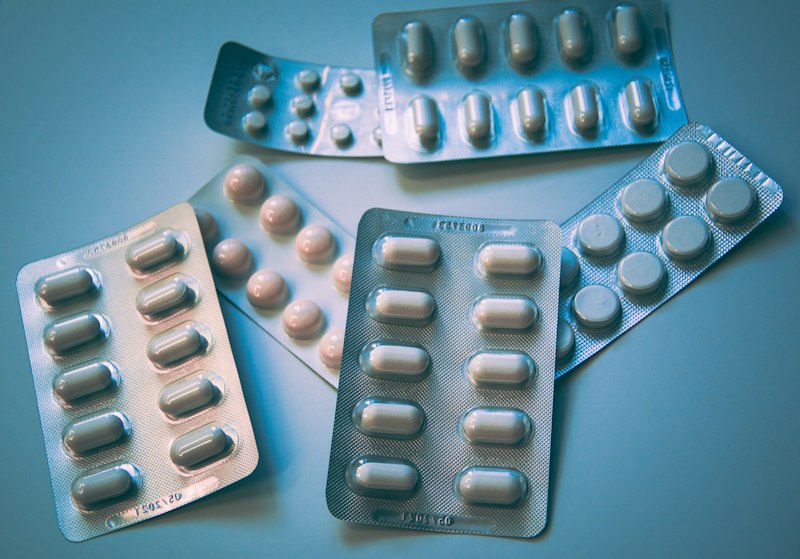
Antibiotic-induced microbiome disruption is one of the most significant and commonly overlooked immunological events in modern medicine. A single course of broad-spectrum antibiotics can reduce gut microbial diversity by 25 to 50 percent, with some studies showing incomplete recovery at six months. This diversity reduction impairs immune calibration, reduces sIgA production, leaves ecological niches available for opportunistic pathogens like Clostridioides difficile, and can trigger post-antibiotic diarrhea in 10 to 20 percent of patients.
The evidence-based approach to antibiotic recovery combines: Saccharomyces boulardii probiotic (taken simultaneously with antibiotics — the yeast is unaffected by antibiotics that kill bacteria) to prevent C. difficile colonization and reduce antibiotic-associated diarrhea risk; diverse fermented foods beginning immediately after antibiotic completion; prebiotic-rich foods to support the recovery and growth of surviving beneficial bacteria; and avoidance of alcohol and ultra-processed foods that further stress the recovering microbiome for at least four weeks post-antibiotic. Gut health is immune health — protecting and nurturing your microbiome is the most powerful thing you can do to strengthen your body's natural defenses.
Dr. Priya Sharma
Gastroenterologist
Expert contributor at our health & wellness platform, bringing evidence-based insights to help you achieve your nutrition and fitness goals.