Free radicals accelerate aging at the cellular level. These antioxidant-rich foods neutralize them and protect your cells, DNA, and mitochondria.
Every cell in your body is under constant oxidative attack. As your mitochondria produce the energy that powers life, they generate reactive oxygen species (ROS) — unstable molecules that steal electrons from cellular structures, damaging DNA, proteins, and membranes in a process called oxidative stress. Environmental exposures — UV radiation, air pollution, cigarette smoke, processed food chemicals — add to this oxidative burden. Free radical damage is a measurable, primary mechanism through which cells age and eventually lose function.
Antioxidants are molecules that neutralize free radicals by donating electrons without becoming destabilized themselves — effectively quenching the oxidative fire before it damages cellular machinery. Your body produces some antioxidants endogenously (glutathione, superoxide dismutase, catalase), but dietary antioxidants are essential partners in this defense system.
## Understanding ORAC and Antioxidant Capacity
"Oxidative stress — the imbalance between free radical production and antioxidant defense — is a fundamental mechanism of aging. Every meal is an opportunity to tip the balance in your favor."
Healthy Primal Living
Return to ancestral eating patterns for optimal health and vitality.
The ORAC (Oxygen Radical Absorbance Capacity) score was developed by the USDA as a measure of food antioxidant capacity. While the USDA eventually withdrew the ORAC database (noting that antioxidant value in a test tube doesn't perfectly predict activity in a living system), the score remains a useful relative guide. Foods with the highest ORAC values include: wild blueberries, dark chocolate, kidney beans, prunes, artichokes, pecans, and elderberries.
Eat the Right Meal for Your Exact Workout.
Add multiple exercises to your upcoming session, set individual durations, and get blended fuel recommendations with metabolic scores. The AI maps each exercise type to ideal macro ratios and timing, then filters hundreds of meals for the best matches — so you perform at your peak without guesswork.
Train harder. Recover faster. The AI calculates the ideal carb-to-protein ratio and timing window so you fuel up properly and recover faster after every session.
Free to use · No credit card required

The limitation of focusing on ORAC scores is that antioxidants work in networks, not isolation. Vitamin C regenerates oxidized vitamin E, returning it to active antioxidant form. Carotenoids and polyphenols synergistically protect different cellular compartments. This is why whole food diversity — consistently eating 30 or more different plant species weekly — creates a more effective antioxidant defense than any single high-ORAC food or supplement.
"The ORAC score revolution failed because antioxidants don't work in isolation — they work in networks. Eating 30+ diverse plant foods weekly creates an antioxidant ecosystem no supplement can replicate."
## The Antioxidant All-Stars
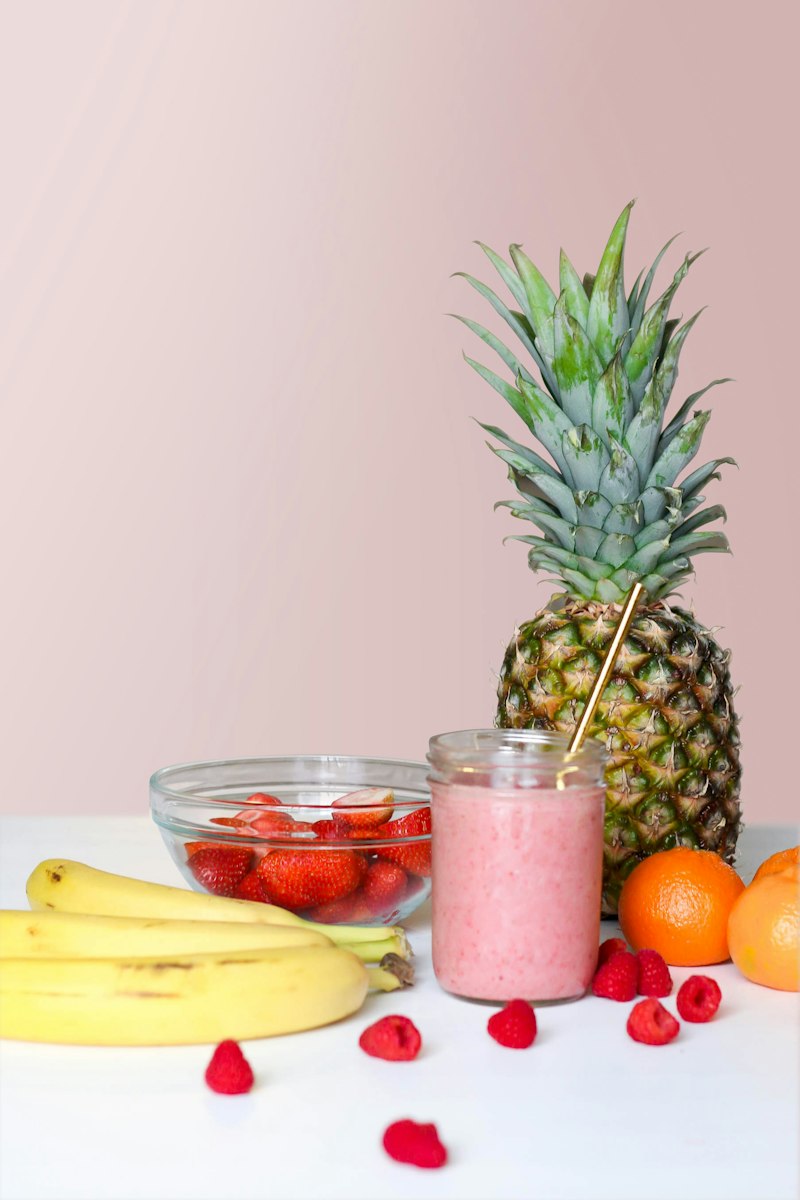
Berries across all varieties — blueberries, strawberries, raspberries, blackberries, açaí, and goji — are among the most antioxidant-dense foods relative to their caloric content. Their anthocyanins are particularly valuable because they cross the blood-brain barrier, providing direct antioxidant protection to neural tissue. Regular berry consumption has been associated in multiple large cohort studies with delayed cognitive aging of approximately 2.5 years.
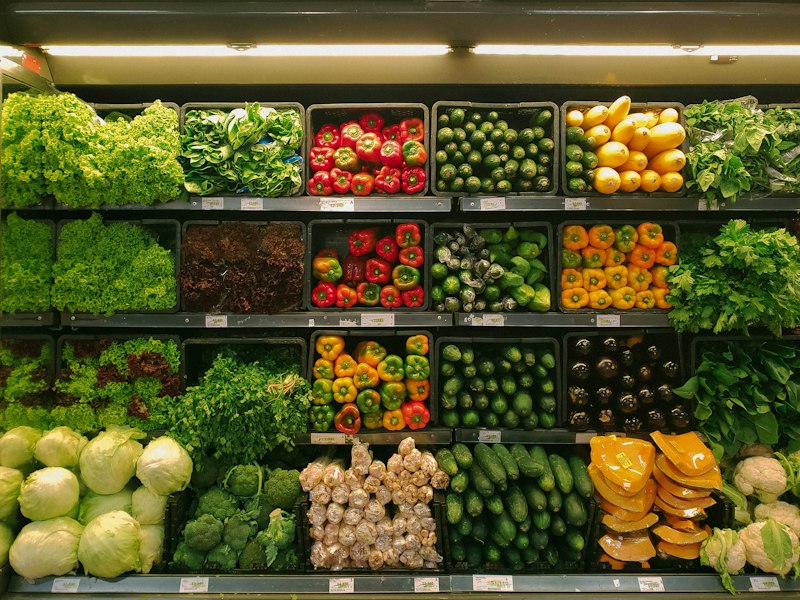
Dark leafy greens provide lutein, zeaxanthin, and vitamin K — antioxidants concentrated in the macula of the eye and in the brain. Population studies consistently find that high leafy green consumption is associated with lower rates of age-related macular degeneration and cognitive decline.
"Cooking method matters enormously. Boiling destroys up to 50% of water-soluble antioxidants. Steaming and light roasting preserve up to 90% of antioxidant capacity."
Herbs and spices are pound-for-pound the most antioxidant-dense foods on Earth. Cloves, dried oregano, turmeric, cinnamon, and rosemary all exceed the ORAC scores of the most celebrated superfoods. The quantities used in cooking are small, but regular daily use across a variety of herbs and spices meaningfully contributes to total antioxidant intake.
## Synergistic Antioxidant Combinations
Certain food pairings dramatically enhance antioxidant efficacy. Tomatoes (lycopene) consumed with avocado or olive oil increases lycopene absorption by 4–5 times, since lycopene is fat-soluble. Spinach consumed with citrus juice dramatically improves iron absorption while simultaneously boosting antioxidant status. Turmeric with black pepper (piperine) increases curcumin absorption by up to 2,000%.
"A diet rich in diverse plant foods delivers antioxidants in the forms, ratios, and combinations that co-evolution has optimized for human cellular protection."
The fat-soluble antioxidants — vitamins A, D, E, K, and carotenoids — require dietary fat for absorption. A salad dressed with olive oil or topped with avocado provides dramatically greater antioxidant bioavailability than the same salad eaten fat-free. This is a compelling reason to never eat salads with fat-free dressings if antioxidant intake is a goal.
🧠 You're not hungry, you're bored. Try a 2-min walk.
✅ 340 kcal under target — on track!
🌅 Skipping breakfast causes 3pm crashes. Fuel up!
🍫 Craving chocolate? That's low magnesium. Try almonds.
😤 Stressed? Don't eat — breathe 4-7-8 for 60 seconds.
We Put Your Journey on Autopilot.
Once assessed, our optional notifications act as "Just-in-Time Adaptive Interventions" (JITAI) — a digital therapist in your pocket. Behavioural scientists say lasting change happens when Motivation, Ability, and a Prompt converge at the same moment. Our coach delivers exactly that, learning from your logged meals, moods, and habits to become more accurate over time. Instead of generic reminders, Marcus sends context-aware nudges grounded in CBT — challenging the specific thought patterns that derail your progress, right when they're most likely to strike.
Your Coach Never Sleeps.
Marcus sends intelligent CBT-based push notifications that rewire your decisions in real time — challenging cognitive distortions before the damage is done.
## Cooking Methods That Preserve Antioxidants
Cooking method dramatically influences the antioxidant content of your food. Boiling is the most destructive method for water-soluble antioxidants (vitamin C, B vitamins, many polyphenols), with losses of 40–60% compared to raw. Steaming preserves up to 90% of water-soluble antioxidants. Roasting and sautéing at moderate temperatures generally preserve 80–90% of antioxidant capacity while sometimes increasing bioavailability through cell wall breakdown.
Interestingly, certain antioxidants increase with cooking. Lycopene in tomatoes becomes significantly more bioavailable when cooked in oil — explaining why traditional Mediterranean cultures who cooked tomatoes in olive oil had such strong cardiovascular protection. Beta-carotene in carrots and sweet potatoes also becomes more bioavailable after cooking.
A diet rich in diverse plant foods, prepared with cooking methods that preserve nutritional integrity, and consistently consumed across decades is the ultimate antioxidant strategy. Your cellular defenses are built meal by meal — and the investments you make in dietary antioxidant richness today are protecting DNA replication, mitochondrial function, and immune competence in ways that will determine how vibrantly you age.
Marcus Chen
Health Science Writer
Expert contributor at our health & wellness platform, bringing evidence-based insights to help you achieve your nutrition and fitness goals.