The world's longest-lived populations share remarkably similar dietary habits. Learn the 7 food principles from Blue Zones that could add years to your life.
In five remarkable regions of the world — Sardinia, Italy; Okinawa, Japan; Loma Linda, California; Nicoya, Costa Rica; and Ikaria, Greece — people routinely live past 100 in exceptional health. These are the Blue Zones, identified by explorer and author Dan Buettner in collaboration with National Geographic and a team of longevity researchers. What makes these regions extraordinary isn't their access to cutting-edge medicine or high-tech interventions. It's something far more fundamental: the way they eat, move, and connect every single day.
Researchers have spent decades studying the Blue Zone populations, and the dietary patterns that emerge are remarkably consistent across cultures separated by thousands of miles. While the specific foods vary by region, seven core principles appear again and again — and they offer a clear blueprint for eating your way toward a longer, healthier life.
## The Plant-Forward Foundation
"In five regions of the world, people routinely live past 100 in good health. They didn't inherit extraordinary genetics — they built extraordinary daily habits."

The Calm Mind
Achieve inner peace and mental clarity through mindfulness practices.
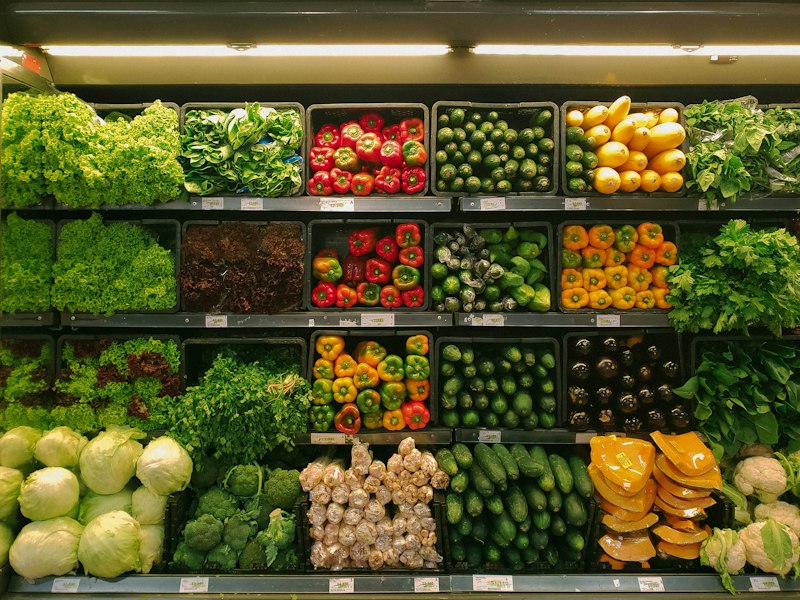
Across all five Blue Zones, plant foods dominate the diet. Vegetables, fruits, whole grains, and especially legumes form the caloric backbone of what centenarians eat. Meat is consumed sparingly — typically no more than five small servings per month, often reserved for celebrations or family gatherings. Fish, when eaten, is consumed in modest amounts two to three times per week.
Legumes — beans, lentils, chickpeas, and black beans — are the true cornerstone of Blue Zone eating. A landmark study from researchers in Sweden, Japan, Australia, and Greece found that just one cup of beans per day was associated with a 7-year increase in life expectancy across populations. Beans are rich in fiber, plant protein, and complex carbohydrates that feed beneficial gut bacteria, regulate blood sugar, and promote satiety. In Sardinia, it's cannellini beans. In Okinawa, soybeans and tofu. In Nicoya, black beans and rice. The specific variety matters less than the daily habit.
"Just one cup of beans per day is associated with a 7-year increase in life expectancy. The most powerful longevity food costs less than a dollar."
## The 80% Rule: Hara Hachi Bu
Scan Any Food. Track Instantly.
No more manual searching or guessing nutritional values. Point your camera at any barcode and get full macro and micro data in under a second — calories, protein, carbs, fat, fibre, sugar, and salt. Every scan auto-logs to your daily food journal, keeping you effortlessly on track.
Products in database. Powered by Open Food Facts — the world's largest open food database. If it has a barcode, we've got it.
Free to use · No credit card required

Okinawans have a 2,500-year-old Confucian mantra they say before every meal: 'Hara hachi bu' — a reminder to stop eating when they're 80% full. This cultural practice effectively functions as built-in caloric restriction, reducing average caloric intake by approximately 20% compared to Western eating norms without conscious dieting.
The physiological basis for this practice is sound. It takes roughly 20 minutes for satiety signals from your gut to reach your brain. By eating slowly and stopping before the feeling of fullness arrives, you consistently avoid the metabolic stress of overeating. Chronically consuming fewer calories reduces IGF-1 levels, lowers inflammation, and reduces oxidative stress — three of the most significant biological drivers of accelerated aging.
"The 80% rule — stopping eating when you're 80% full — isn't about deprivation. It's about giving your body space to function optimally rather than perpetually recovering from excess."
The Okinawan diet is also notably lower in caloric density. Traditional staples like purple sweet potato, seaweed, tofu, and miso soup provide abundant nutrition with relatively few calories, making the 80% rule naturally easier to practice.
## Whole Grains and Ancient Grains
Blue Zone populations consume grains, but they bear little resemblance to the refined white flour products that dominate Western diets. Sardinians eat sourdough bread made from ancient durum wheat varieties. Ikarians eat whole-grain sourdough with long fermentation times that dramatically lower the glycemic index. Seventh-day Adventists in Loma Linda consume whole oats, barley, and rye as dietary staples.
"Blue Zone centenarians don't go to the gym. They move naturally all day: walking, gardening, cooking. Built-in movement, not scheduled exercise, is their secret."
Sourdough fermentation deserves special attention. Traditional long-ferment sourdough processes partially pre-digest the grain, reducing anti-nutrients like phytic acid, lowering the glycemic response, and producing beneficial compounds including short-chain fatty acids. A slice of traditionally fermented sourdough raises blood sugar dramatically less than commercially produced whole wheat bread, despite similar fiber content.
## Healthy Fats from Natural Sources
The Mediterranean Blue Zones — Sardinia and Ikaria — consume substantial amounts of extra-virgin olive oil, typically 4 to 6 tablespoons per day. Olive oil is extraordinarily rich in oleocanthal, a polyphenol with anti-inflammatory properties comparable to low-dose ibuprofen, and oleic acid, a monounsaturated fat that protects cardiovascular health and supports cellular membrane integrity.
Nuts feature prominently across all Blue Zones. Adventist Health Studies from Loma Linda found that people who consumed nuts at least five times per week had half the rate of heart disease compared to those who ate nuts less than once per week, and lived an average of two additional years. Walnuts, almonds, and pistachios all appear in Blue Zone diets, typically eaten as snacks rather than added to recipes.
## Herbs, Spices, and Wild Greens
Predict How Food Affects Your Body
Before You Eat.
Log glucose readings, energy levels, and sleep quality to build your personal metabolic fingerprint. Our platform then predicts the glucose spike, energy impact, and metabolic score of any meal before you eat it — and suggests real-time tweaks like 'add avocado to blunt the glucose spike' right on the meal card.
Smarter than calorie counting. Two meals with identical calories can have wildly different effects on your energy, cravings, and fat storage. Metabolic Intelligence reveals the difference.
Free to use · No credit card required
Ikarians consume more than 150 varieties of wild greens throughout the year — plants that grow in the hills and coastlines of the island, rich in polyphenols, antioxidants, and minerals. Rosemary, sage, oregano, and thyme feature heavily in Sardinian and Ikarian cooking, and research has confirmed that Mediterranean herbs have meaningful anti-inflammatory and antimicrobial properties.
Turmeric, used daily in Okinawan cuisine, contains curcumin — one of the most studied natural anti-inflammatory compounds known to science. The Okinawan practice of cooking with turmeric alongside black pepper (which dramatically increases curcumin absorption) exemplifies how traditional food culture intuitively developed health-promoting culinary practices long before science explained why they worked.
## Building Your Blue Zone Plate
Incorporating Blue Zone principles doesn't require moving to Sardinia or adopting an entirely foreign cuisine. Start with these practical shifts: make beans the centerpiece of at least one meal per day, reduce meat consumption to a side role rather than the main event, replace refined grains with whole sourdough or ancient grains, upgrade your cooking fat to extra-virgin olive oil, and keep a bowl of nuts visible on your kitchen counter for easy snacking.
Perhaps most importantly, eat slowly and in community when possible. The social dimensions of Blue Zone eating — meals shared with family, food prepared with care and intention, the ritual of gathering around a table — are inseparable from their health effects. Longevity isn't just about what's on your plate. It's about the life you build around it.
Dr. Elena Torres
Longevity Researcher
Expert contributor at our health & wellness platform, bringing evidence-based insights to help you achieve your nutrition and fitness goals.