Collagen decline starts in your mid-20s. The right nutrients can slow this process and visibly improve skin elasticity, hydration, and appearance.
Collagen is the most abundant protein in your body, comprising approximately 30% of total protein mass and 75% of your skin's dry weight. It forms the structural scaffold of skin, bones, tendons, ligaments, and cartilage. Starting in your mid-20s, the body produces approximately 1–2% less collagen each year — a gradual but relentless decline that manifests as reduced skin elasticity, the formation of fine lines, decreased joint flexibility, and slower wound healing.
While the topical collagen supplement market is enormous, the evidence for dietary and nutritional approaches to supporting collagen synthesis is considerably more robust. Here's what the science actually says about eating for collagen.
## Vitamin C: The Collagen Builder
"Collagen is the most abundant protein in your body, comprising 75% of your skin's dry weight. After age 25, you lose approximately 1–2% of your skin's collagen every year."
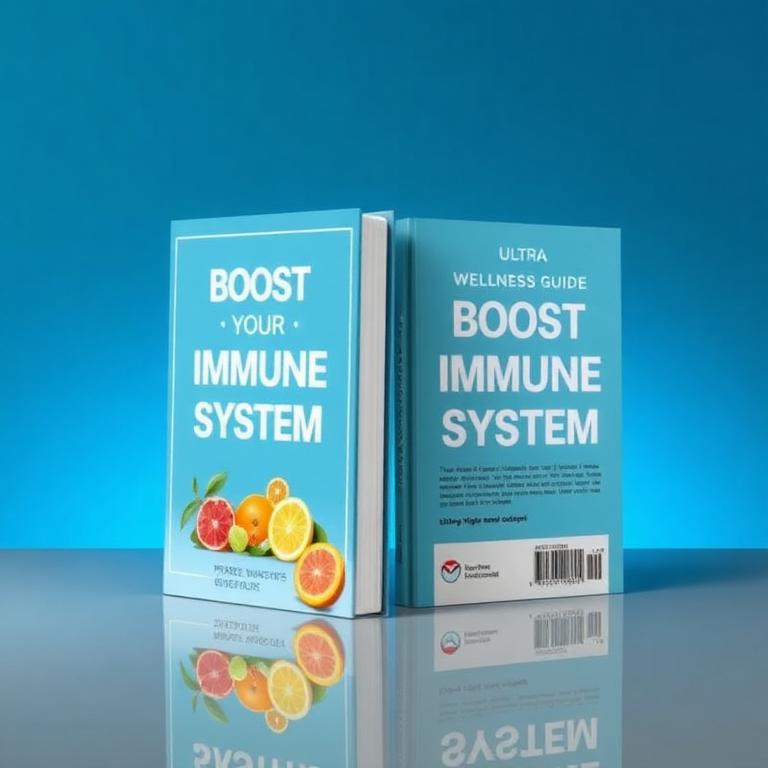
Boost Your Immune System
Strengthen your immune defences naturally through nutrition and lifestyle.
Vitamin C is not optional for collagen synthesis — it is biochemically essential. The body cannot produce the hydroxylated forms of proline and lysine that are required to form stable collagen triple helices without vitamin C acting as a cofactor for the hydroxylase enzymes involved. This is why scurvy — the historical vitamin C deficiency disease — is characterized by skin breakdown, wound reopening, and joint pain: all signs of collagen failure.
Beyond its role in collagen production, vitamin C is a potent antioxidant that directly neutralizes the free radicals that degrade existing collagen in the skin. UV radiation, pollution, and metabolic processes constantly generate reactive oxygen species that attack collagen and elastin fibers. Maintaining high vitamin C status both internally (through diet) and potentially topically provides dual protection.
"Vitamin C is not optional for collagen synthesis — it is essential. Without it, your body cannot produce the hydroxylated forms of proline and lysine required to form stable collagen triple helices."

🧠 You're not hungry, you're bored. Try a 2-min walk.
✅ 340 kcal under target — on track!
🌅 Skipping breakfast causes 3pm crashes. Fuel up!
🍫 Craving chocolate? That's low magnesium. Try almonds.
😤 Stressed? Don't eat — breathe 4-7-8 for 60 seconds.
We Put Your Journey on Autopilot.
Once assessed, our optional notifications act as "Just-in-Time Adaptive Interventions" (JITAI) — a digital therapist in your pocket. Behavioural scientists say lasting change happens when Motivation, Ability, and a Prompt converge at the same moment. Our coach delivers exactly that, learning from your logged meals, moods, and habits to become more accurate over time. Instead of generic reminders, Marcus sends context-aware nudges grounded in CBT — challenging the specific thought patterns that derail your progress, right when they're most likely to strike.
Your Coach Never Sleeps.
Marcus sends intelligent CBT-based push notifications that rewire your decisions in real time — challenging cognitive distortions before the damage is done.
Best dietary sources: red bell peppers (approximately 190mg per pepper — nearly twice the daily recommended intake), kiwi fruit (93mg each), strawberries, broccoli, and citrus fruits. Aim for multiple daily servings of vitamin C-rich foods rather than relying on a single large dose, as vitamin C is water-soluble and rapidly excreted.
## Bone Broth and Collagen-Rich Foods
Bone broth — made by simmering animal bones and connective tissue for 12–24 hours — is rich in hydroxyproline, glycine, and proline: the specific amino acids that form collagen's unique triple-helix structure. Unlike most dietary proteins that are digested and redistributed, the hydroxyproline peptides in bone broth have been shown in clinical research to preferentially accumulate in cartilage and skin.
"Bone broth contains hydroxyproline and glycine in concentrations found nowhere else in the modern diet — directly providing the building blocks for collagen synthesis in the skin."
A 2014 double-blind, placebo-controlled study published in Skin Pharmacology and Physiology found that women who consumed 2.5–5g of collagen peptides daily for 8 weeks showed a 20% improvement in skin elasticity compared to placebo, with the effect lasting at least 4 weeks after supplementation ended. Collagen peptide supplements are essentially hydrolyzed bone broth, offering the same benefits in a more concentrated form.
Skin-on chicken thighs, pork rinds, fish with skin, and egg whites (rich in proline) are additional collagen-supporting foods. Gelatin — found in homemade jellies — provides similar amino acid profiles to bone broth in a different format.
## Protect Existing Collagen
"Protecting existing collagen matters as much as synthesizing new collagen. Sugar, UV exposure, smoking, and advanced glycation end-products are the four primary forces destroying your collagen daily."
Stimulating new collagen synthesis achieves little if existing collagen is being destroyed faster than it's rebuilt. Four primary forces accelerate collagen degradation: UV radiation, advanced glycation end-products (AGEs) from sugar and high-heat cooking, cigarette smoke, and chronic inflammation.
Advanced glycation end-products form when glucose or fructose molecules bond with collagen proteins, making them rigid, brittle, and dysfunctional. A diet high in refined carbohydrates and sugar dramatically accelerates glycation. Research has quantified this: people with chronically elevated blood sugar show measurably accelerated skin aging compared to those with well-controlled blood sugar — regardless of sun exposure or chronological age.
Predict How Food Affects Your Body
Before You Eat.
Log glucose readings, energy levels, and sleep quality to build your personal metabolic fingerprint. Our platform then predicts the glucose spike, energy impact, and metabolic score of any meal before you eat it — and suggests real-time tweaks like 'add avocado to blunt the glucose spike' right on the meal card.
Smarter than calorie counting. Two meals with identical calories can have wildly different effects on your energy, cravings, and fat storage. Metabolic Intelligence reveals the difference.
Free to use · No credit card required
Antioxidant-rich foods protect collagen from oxidative degradation. Lycopene in cooked tomatoes and watermelon specifically protects against UV-induced collagen damage. Green tea's EGCG inhibits the matrix metalloproteinases that break down collagen in response to UV exposure.
## The Complete Collagen-Supporting Diet
A comprehensive collagen nutrition strategy includes: adequate protein intake (at least 0.7g per pound of body weight) to provide amino acid building blocks, daily vitamin C from whole food sources, zinc-rich foods (pumpkin seeds, beef, shellfish) since zinc is required as a cofactor for collagen synthesis, copper from nuts and seeds which activates the enzyme that cross-links collagen fibers, and silicon from oats, barley, and green beans which supports collagen formation in skin and connective tissue.
Your skin reflects your internal nutrition over years, not days. The most beautiful skin in older adults typically belongs to those who have consistently eaten a varied, nutrient-dense diet rich in antioxidants, adequate protein, and healthy fats — not those who have applied the most expensive topical treatments.
Dr. Elena Torres
Longevity Researcher
Expert contributor at our health & wellness platform, bringing evidence-based insights to help you achieve your nutrition and fitness goals.