Discover the latest research on how specific nutrients and dietary patterns can slow cellular aging. From telomere protection to mitochondrial health, learn what science really says.
Aging is inevitable, but the rate at which we age is surprisingly malleable. Scientists once believed that genetics determined our longevity destiny, but decades of research now confirm that diet, lifestyle, and environment account for roughly 75–80% of the variation in how people age. The foods you eat today are quietly negotiating with your cells about how fast that clock ticks.
Understanding the mechanisms through which nutrition influences aging allows us to make strategic, evidence-based choices — not just about living longer, but about living better. This article explores the most robust science connecting diet to the fundamental drivers of cellular aging.
## The Cellular Clock: Telomeres and Diet
"Aging is inevitable — but the rate at which you age is surprisingly malleable. The foods you eat today are quietly negotiating with your cells about how fast that clock ticks."
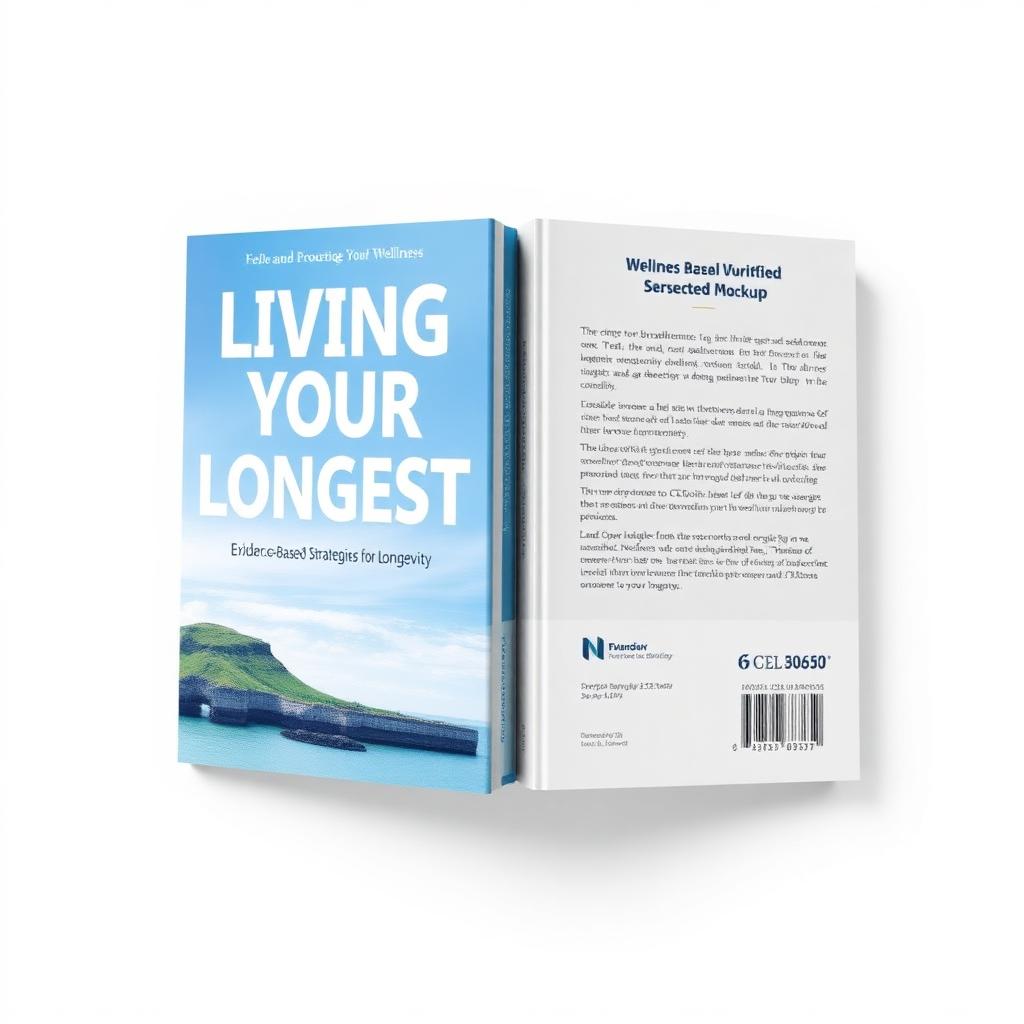
Living Your Longest
Evidence-based strategies for longevity and healthy ageing.
Telomeres are the protective caps at the ends of your chromosomes, analogous to the plastic tips on shoelaces. Every time a cell divides, telomeres shorten slightly. When they become critically short, cells enter a state called senescence — they stop dividing, release inflammatory signals, and accelerate tissue aging. Telomere length is one of the most reliable biological markers of aging.
A landmark study published in the American Journal of Clinical Nutrition found that people who adhered closely to a Mediterranean-style diet had significantly longer telomeres than those who ate a Western-pattern diet. The protective effect was attributed to the diet's abundance of antioxidants, omega-3 fatty acids, and polyphenols — all of which reduce oxidative stress and inflammation, two primary forces driving telomere shortening.
"Telomere length is your biological age. A Mediterranean-style diet, rich in antioxidants and omega-3s, has been shown to significantly slow telomere shortening."

🧠 You're not hungry, you're bored. Try a 2-min walk.
✅ 340 kcal under target — on track!
🌅 Skipping breakfast causes 3pm crashes. Fuel up!
🍫 Craving chocolate? That's low magnesium. Try almonds.
😤 Stressed? Don't eat — breathe 4-7-8 for 60 seconds.
We Put Your Journey on Autopilot.
Once assessed, our optional notifications act as "Just-in-Time Adaptive Interventions" (JITAI) — a digital therapist in your pocket. Behavioural scientists say lasting change happens when Motivation, Ability, and a Prompt converge at the same moment. Our coach delivers exactly that, learning from your logged meals, moods, and habits to become more accurate over time. Instead of generic reminders, Marcus sends context-aware nudges grounded in CBT — challenging the specific thought patterns that derail your progress, right when they're most likely to strike.
Your Coach Never Sleeps.
Marcus sends intelligent CBT-based push notifications that rewire your decisions in real time — challenging cognitive distortions before the damage is done.
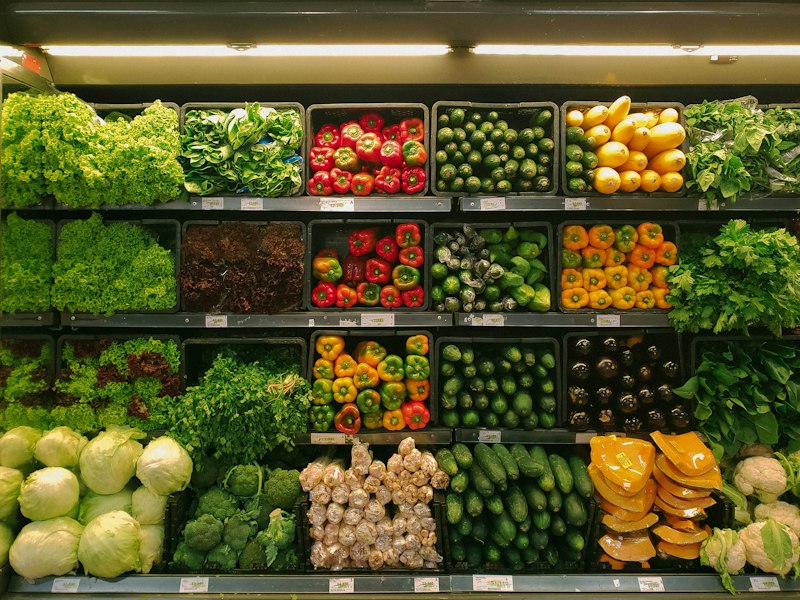
Specific nutrients stand out. Folate, found in leafy greens and legumes, is essential for DNA methylation and telomere maintenance. Vitamin C and E neutralize the free radicals that attack telomere DNA. Omega-3 fatty acids from fatty fish reduce the inflammatory signaling that accelerates telomere erosion. Practical takeaway: fill half your plate with colorful vegetables, eat fatty fish twice weekly, and prioritize legumes as your primary protein source.
## Mitochondrial Health: Your Cellular Powerhouses
Mitochondria produce the ATP energy that powers every cellular function. As we age, mitochondrial function declines — they become less efficient, generate more damaging free radicals, and accumulate mutations in their DNA. This mitochondrial dysfunction is now recognized as a central driver of aging and age-related diseases including type 2 diabetes, neurodegenerative conditions, and cardiovascular disease.
"Your mitochondria are your longevity engines. Feed them right — with polyphenols, CoQ10, and caloric discipline — and they'll power you through decades of vibrant health."
The process of mitophagy — the selective recycling of damaged mitochondria — is one of the body's most powerful anti-aging mechanisms. Caloric restriction and intermittent fasting are the most well-studied triggers of mitophagy, but dietary compounds also play a significant role. Polyphenols found in berries, green tea, dark chocolate, and olive oil activate the AMPK pathway, which in turn stimulates mitochondrial biogenesis — the creation of new, healthy mitochondria.
CoQ10 (coenzyme Q10) is a molecule that plays a critical role in the mitochondrial electron transport chain. While the body produces CoQ10 naturally, production declines with age. Foods richest in CoQ10 include organ meats, sardines, mackerel, and beef. For those who don't eat these regularly, supplementation has been shown in clinical trials to improve mitochondrial function and reduce markers of oxidative stress.
## NAD+ and the Sirtuins Pathway
"The most powerful longevity intervention isn't a supplement or biohack. It's the consistent daily habit of eating nutrient-dense, minimally processed whole foods."
NAD+ (nicotinamide adenine dinucleotide) is a coenzyme found in every cell, essential for hundreds of metabolic reactions. NAD+ levels decline significantly with age — by age 50, most people have roughly half the NAD+ levels they had at 20. This decline is implicated in nearly every hallmark of aging, from reduced DNA repair capacity to mitochondrial dysfunction.
Sirtuins are a family of proteins that depend on NAD+ to function. When activated, they regulate inflammation, DNA repair, metabolism, and stress resistance. The sirtuin pathway is sometimes called the 'longevity pathway' because of its strong association with extended lifespan in multiple species. To support NAD+ levels through diet, prioritize foods rich in niacin (vitamin B3): tuna, chicken breast, turkey, and peanuts are among the best sources. Tryptophan-rich foods, including turkey and dairy, also contribute to NAD+ synthesis.
Scan Any Food. Track Instantly.
No more manual searching or guessing nutritional values. Point your camera at any barcode and get full macro and micro data in under a second — calories, protein, carbs, fat, fibre, sugar, and salt. Every scan auto-logs to your daily food journal, keeping you effortlessly on track.
Products in database. Powered by Open Food Facts — the world's largest open food database. If it has a barcode, we've got it.
Free to use · No credit card required
## Practical Longevity Nutrition
The most powerful longevity intervention isn't a supplement or biohack. It's the consistent daily habit of eating nutrient-dense, minimally processed whole foods. The evidence overwhelmingly points to plant-forward diets — particularly the Mediterranean, MIND, and Okinawan dietary patterns — as the most effective nutritional frameworks for extending healthspan.
Focus on diversity: aim for 30 or more different plant foods per week. This variety supports a robust gut microbiome, which research increasingly links to systemic inflammation, immune function, and even cognitive aging. Prioritize extra-virgin olive oil as your primary fat source, keep refined carbohydrates and ultra-processed foods minimal, and make protein adequacy (0.7–1g per pound of body weight) a priority, especially after age 50, when anabolic resistance increases.
Longevity nutrition isn't about perfection on any single day. It's about creating a dietary pattern so consistently rich in protective compounds that your cells have everything they need to repair, renew, and resist the forces of aging — day after day, decade after decade.
Dr. Elena Torres
Longevity Researcher
Expert contributor at our health & wellness platform, bringing evidence-based insights to help you achieve your nutrition and fitness goals.