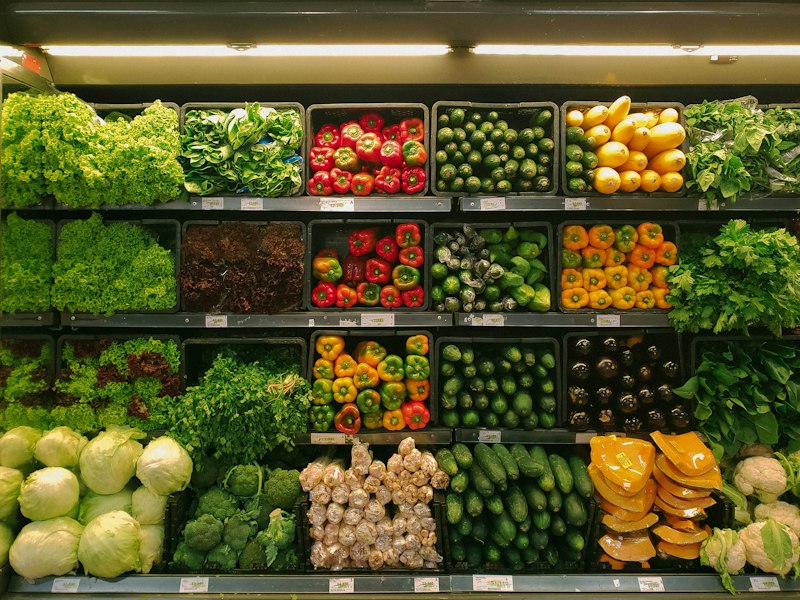
Neither exercise nor diet alone maximizes longevity. Learn how combining them strategically creates a powerful anti-aging synergy greater than the sum of its parts.
Exercise and nutrition are individually powerful — but when combined strategically, they create synergistic effects that neither produces alone. This isn't merely additive: the combination activates cellular pathways and produces biological outcomes that are genuinely greater than the sum of their individual parts. Understanding these synergies allows you to design a lifestyle that delivers maximum anti-aging benefit with minimum wasted effort.
## Resistance Training + Protein Timing
Muscle mass is one of the strongest predictors of longevity and functional independence in aging. After age 30, skeletal muscle begins to decline at approximately 3–5% per decade, accelerating significantly after 60. Exercise science has established that resistance training is the most effective intervention to counteract this decline, but the magnitude of benefit is dramatically amplified by strategic protein timing.
"Exercise and optimal nutrition are individually powerful longevity tools. Combined strategically, they create synergistic effects that neither produces alone — activating cellular pathways impossible to trigger by either factor in isolation."
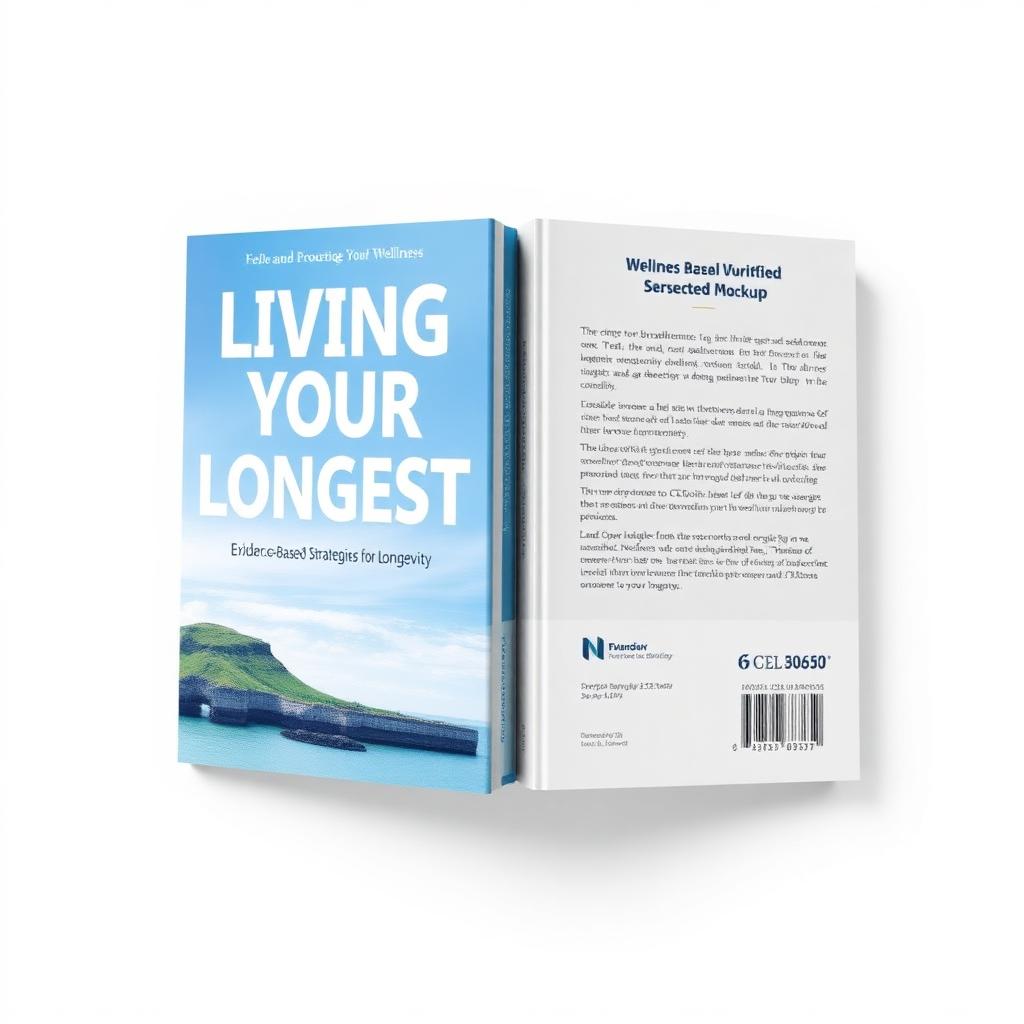
Living Your Longest
Evidence-based strategies for longevity and healthy ageing.
Resistance exercise creates micro-tears in muscle fibers and activates satellite cells (muscle stem cells) to begin repair. This creates an anabolic window — a period of heightened muscle protein synthesis that peaks in the 1–2 hours following exercise. Consuming 25–40g of high-quality protein during this window triggers an anabolic response up to 50% greater than consuming the same protein dose at rest. Over months and years, this amplified protein synthesis response translates into meaningfully greater muscle mass retention.
Scan Any Food. Track Instantly.
No more manual searching or guessing nutritional values. Point your camera at any barcode and get full macro and micro data in under a second — calories, protein, carbs, fat, fibre, sugar, and salt. Every scan auto-logs to your daily food journal, keeping you effortlessly on track.
Products in database. Powered by Open Food Facts — the world's largest open food database. If it has a barcode, we've got it.
Free to use · No credit card required

Leucine is the amino acid that most powerfully triggers muscle protein synthesis — it acts as a molecular switch for mTOR activation in muscle cells. Foods highest in leucine include whey protein, cottage cheese, chicken breast, tuna, and eggs. Aim for at least 2–3g of leucine per post-workout meal, which is achieved by approximately 30g of high-quality protein from animal sources.
"Consuming 25–40g of protein within 2 hours of resistance training triggers a muscle protein synthesis response up to 50% greater than the same protein dose consumed at rest."
## Cardio + Polyphenol Amplification
Aerobic exercise triggers the release of BDNF (brain-derived neurotrophic factor) — sometimes called 'Miracle-Gro for the brain'. BDNF promotes neuroplasticity, supports the survival of existing neurons, and stimulates the growth of new neurons in the hippocampus. Exercise-induced BDNF is one of the most powerful protective factors against cognitive aging and neurodegenerative disease.
Research has shown that consuming polyphenol-rich foods — particularly berries, dark chocolate, and green tea — in proximity to aerobic exercise significantly extends the BDNF response compared to exercise alone. A 2021 study found that participants who consumed blueberry extract before a moderate aerobic session maintained elevated BDNF levels for 2 hours longer post-exercise than those who exercised without the polyphenol intervention.
"Polyphenols from berries and dark chocolate consumed before or after aerobic exercise extend the exercise-induced BDNF response — protecting brain aging through a pathway exercise alone cannot sustain."
Nitrate-rich vegetables — beetroot, spinach, arugula, and celery — provide another exercise-nutrition synergy. Dietary nitrates convert to nitric oxide in the body, improving blood flow to muscles and reducing the oxygen cost of exercise. A nitrate-rich pre-workout meal consumed 2–3 hours before exercise can improve endurance performance by 2–3% and reduce post-exercise fatigue.
## Recovery Nutrition for Cellular Repair
The hours following intense exercise represent an extraordinary window of cellular plasticity. Damaged proteins are cleared through autophagy, mitochondria are repaired or replaced, and inflammatory pathways activated during exercise are resolved. The nutritional environment during recovery profoundly influences the quality of cellular repair that occurs.
"The compound interest of consistent exercise-nutrition pairing accumulates over years and decades. There is no single intervention that comes close to matching its anti-aging effect."
Tart cherry juice has emerged as one of the most evidence-backed recovery nutrition tools. Its anthocyanins and melatonin content reduce exercise-induced muscle damage, accelerate strength recovery, and improve sleep quality. A 2010 study in the Scandinavian Journal of Medicine and Science in Sports found that marathon runners who consumed tart cherry juice for 5 days before and 2 days after a race recovered strength 10% faster than placebo.
Eat the Right Meal for Your Exact Workout.
Add multiple exercises to your upcoming session, set individual durations, and get blended fuel recommendations with metabolic scores. The AI maps each exercise type to ideal macro ratios and timing, then filters hundreds of meals for the best matches — so you perform at your peak without guesswork.
Train harder. Recover faster. The AI calculates the ideal carb-to-protein ratio and timing window so you fuel up properly and recover faster after every session.
Free to use · No credit card required
Omega-3 fatty acids from fatty fish reduce post-exercise inflammation through the resolution pathway — converting pro-inflammatory eicosanoids into resolvins and protectins that actively resolve inflammation. Regular fatty fish consumption (2–3 servings weekly) is associated with faster recovery and lower systemic inflammation in athletes.
## The Weekly Longevity Protocol
Optimizing exercise-nutrition synergy doesn't require complex periodization. A straightforward weekly framework: 2–3 resistance training sessions with immediate post-workout protein meals emphasizing leucine-rich sources; 3–4 aerobic sessions (150+ minutes moderate intensity) preceded by nitrate-rich vegetables and followed by polyphenol-rich foods; daily omega-3 intake from fatty fish or quality fish oil; and tart cherry juice as a regular recovery beverage on demanding training days.
The magic is in the consistency and pairing — not in the intensity of any single workout or the perfection of any single meal. The compound interest of sustained exercise-nutrition synergy accumulates across years and decades, and there is no single drug, supplement, or medical intervention that comes remotely close to matching its anti-aging effect.
Marcus Chen
Health Science Writer
Expert contributor at our health & wellness platform, bringing evidence-based insights to help you achieve your nutrition and fitness goals.