Your hormones control the speed of aging. These dietary strategies optimize growth hormone, testosterone, thyroid function, and insulin for a longer healthspan.
Hormones are the body's master signaling molecules — chemical messengers that regulate metabolism, growth, reproduction, immune function, mood, and the fundamental pace of biological aging. The hormonal landscape changes dramatically with age: growth hormone declines steadily from the mid-20s, sex hormones fall precipitously after middle age, thyroid function often decreases, and insulin sensitivity progressively worsens. These hormonal shifts are not merely consequences of aging — they are active drivers of it.
The extraordinary finding of modern endocrinological research is that dietary patterns profoundly influence hormonal status at every age. While hormonal decline is not entirely preventable, it is meaningfully modifiable through strategic nutrition.
## Growth Hormone and Fasting
"Hormonal decline is a hallmark of aging — but it is partially driven by dietary patterns, not just chronological age. Optimizing nutrition can meaningfully slow the hormonal decline that accelerates aging."
Living Your Longest
Evidence-based strategies for longevity and healthy ageing.
Growth hormone (GH) maintains muscle mass, promotes fat utilization, supports tissue repair, and has broad anti-aging effects on organ function. GH secretion declines approximately 14% per decade after age 25, with the most dramatic drop occurring between 40 and 60. By age 60, many adults produce less than 25% of the GH they produced at age 20.
The most powerful dietary strategy for preserving GH pulsatility is controlling insulin. Elevated insulin — which occurs after carbohydrate-rich meals — directly suppresses GH secretion. The most important application: avoid eating carbohydrates within 2–3 hours of bedtime. The largest overnight GH pulse occurs within the first 90 minutes of slow-wave sleep, and consuming carbohydrates before bed can blunt this pulse by up to 70%.
"Growth hormone pulses most powerfully during the first 90 minutes of deep sleep. Eating carbohydrates within 3 hours of bedtime blunts the overnight GH pulse by up to 70%."
Eat the Right Meal for Your Exact Workout.
Add multiple exercises to your upcoming session, set individual durations, and get blended fuel recommendations with metabolic scores. The AI maps each exercise type to ideal macro ratios and timing, then filters hundreds of meals for the best matches — so you perform at your peak without guesswork.
Train harder. Recover faster. The AI calculates the ideal carb-to-protein ratio and timing window so you fuel up properly and recover faster after every session.
Free to use · No credit card required

Fasting is one of the most powerful stimulators of GH secretion in humans. A 24-hour fast can increase GH levels 5-fold in men and 14-fold in women. Even a 12–16 hour overnight fast reliably elevates GH compared to continuous eating patterns — one of the strongest biological arguments for time-restricted eating as a longevity strategy.
## Testosterone-Supporting Nutrition
Testosterone — present in both sexes, critical in both — declines approximately 1–2% per year after age 30 in men. Low testosterone is associated with reduced muscle mass, increased visceral fat, depression, cognitive decline, and cardiovascular disease — making its preservation a genuine longevity priority.
"Insulin sensitivity is arguably the most important metabolic marker of longevity. Every dietary choice that improves insulin sensitivity simultaneously reduces your risk of virtually every major age-related disease."
Dietary fat is the precursor to all steroid hormones including testosterone. Very low-fat diets (below 15–20% of calories from fat) consistently reduce testosterone levels in clinical research. Zinc is an essential cofactor for testosterone synthesis and a potent inhibitor of aromatase, the enzyme that converts testosterone to estradiol. Zinc deficiency — common in older adults, vegetarians, and athletes — directly reduces testosterone levels. Best dietary sources: oysters (by far the richest source), red meat, pumpkin seeds, hemp seeds, and shellfish.
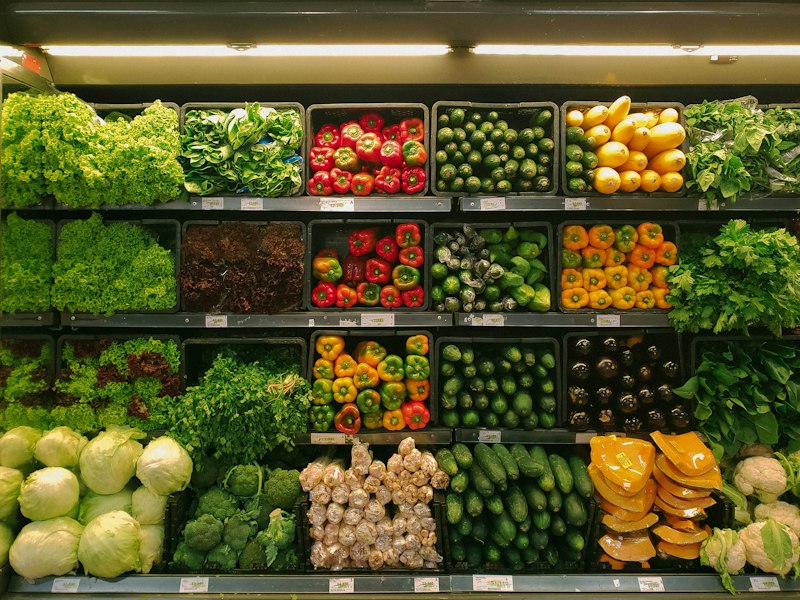
Cruciferous vegetables — broccoli, cauliflower, Brussels sprouts, kale — contain indole-3-carbinol and DIM, compounds that favorably modulate estrogen metabolism and may reduce the estrogen-dominant hormonal environments associated with fat gain and low energy in middle age.
## Thyroid Optimization Through Diet
"The thyroid controls the metabolic rate of every cell in your body. Iodine, selenium, and zinc deficiencies — all common in modern diets — are leading dietary contributors to hypothyroidism and metabolic slowdown."
The thyroid gland produces hormones that regulate the metabolic rate of every cell in the body. Even mild hypothyroidism produces symptoms of accelerated aging: fatigue, weight gain, cold intolerance, brain fog, dry skin, and depression. Three dietary micronutrients are essential for thyroid hormone synthesis and conversion: iodine, selenium, and zinc — all of which are frequently deficient in modern Western diets.
Iodine is required for the synthesis of thyroxine (T4). Selenium is required for the deiodinase enzymes that convert T4 to the active form, triiodothyronine (T3). Best dietary sources: iodine from seaweed and iodized salt; selenium from Brazil nuts (just two per day provide the full daily requirement); zinc from shellfish, red meat, and pumpkin seeds.
Scan Any Food. Track Instantly.
No more manual searching or guessing nutritional values. Point your camera at any barcode and get full macro and micro data in under a second — calories, protein, carbs, fat, fibre, sugar, and salt. Every scan auto-logs to your daily food journal, keeping you effortlessly on track.
Products in database. Powered by Open Food Facts — the world's largest open food database. If it has a barcode, we've got it.
Free to use · No credit card required
## Insulin Sensitivity as Longevity Marker
Insulin sensitivity — the efficiency with which cells respond to insulin's signal to uptake glucose — is arguably the single most important metabolic determinant of healthy aging. Insulin resistance drives the development of type 2 diabetes, cardiovascular disease, non-alcoholic fatty liver disease, and Alzheimer's disease — sometimes called 'type 3 diabetes'.
The dietary factors most powerfully associated with improved insulin sensitivity: high dietary fiber (particularly soluble fiber from oats, legumes, and fruit), adequate omega-3 fatty acids, polyphenols from berries and green tea, magnesium, and caloric moderation with avoidance of excessive refined carbohydrates.
Dietary hormone optimization is about creating the nutritional environment in which the body's own endocrine system can function as close to optimally as biology and age allow. The foundation is always the same: nutrient-dense whole foods, adequate protein and healthy fats, minimal refined carbohydrates, and the consistent dietary patterns that research has linked to preserved hormonal vitality across decades.
Dr. Elena Torres
Longevity Researcher
Expert contributor at our health & wellness platform, bringing evidence-based insights to help you achieve your nutrition and fitness goals.