Chronic mild dehydration accelerates aging at the cellular level. Learn how hydration needs change with age and the strategies that optimize cellular hydration.
Water is the most abundant molecule in the human body and the medium in which virtually every biological reaction occurs. At age 20, water comprises approximately 60% of body mass. By age 70, this figure falls to approximately 50–55% — a progressive desiccation at the tissue level that is a measurable contributor to the physical and functional changes we associate with aging. Skin loses elasticity partly because of reduced tissue hydration. Joint flexibility decreases partly because synovial fluid volume declines. Cognitive performance deteriorates partly because even mild dehydration reduces cerebral blood volume.
A landmark 2023 study published in eBioMedicine followed over 11,000 adults across 25 years and found that those with chronically elevated serum sodium — a reliable biomarker of habitual dehydration — showed significantly accelerated biological aging on multiple biomarkers and a 64% higher risk of chronic disease compared to those with optimal hydration status.
## How Aging Changes Hydration Needs
"Water makes up 60% of your body at 20 and approximately 50% by age 70. This progressive tissue dehydration is a measurable contributor to the physical changes we associate with aging."
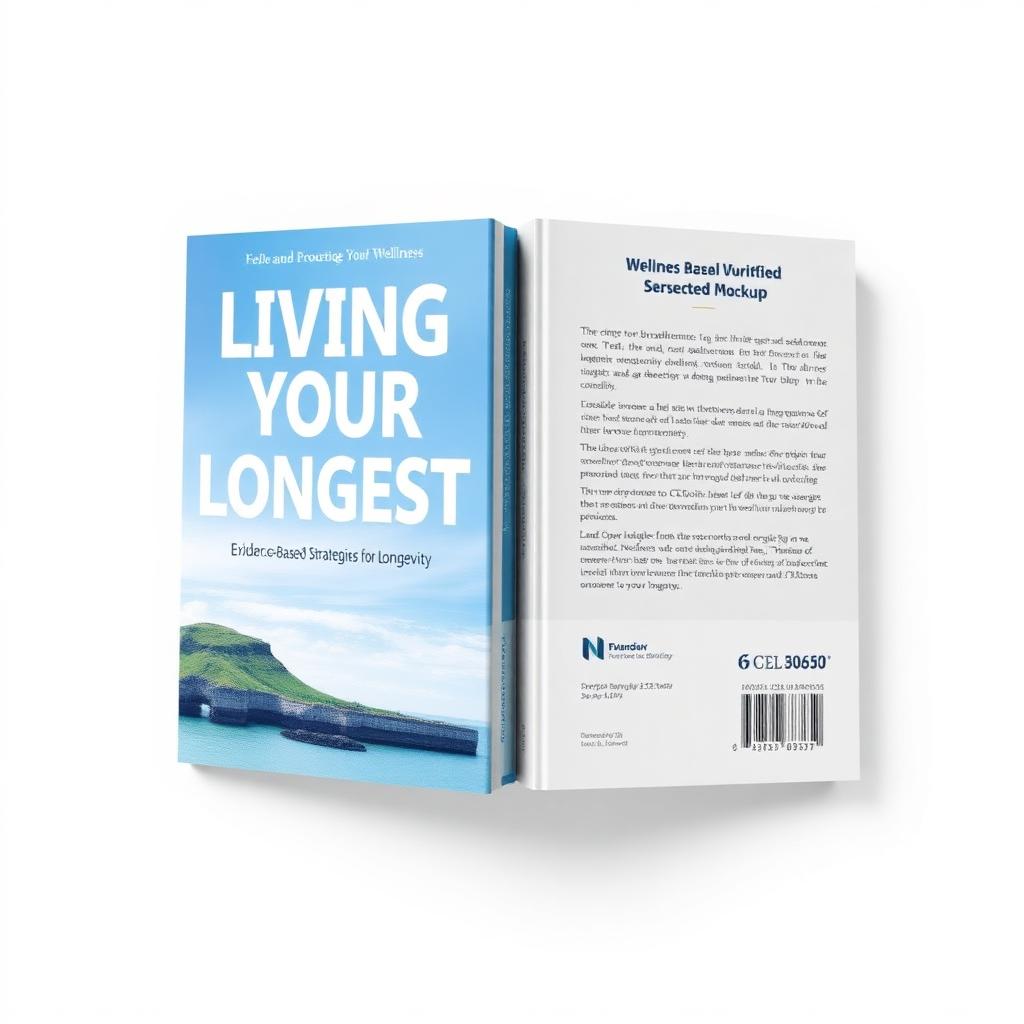
Living Your Longest
Evidence-based strategies for longevity and healthy ageing.
Several physiological changes with age systematically increase vulnerability to dehydration. Total body water decreases with age as muscle mass (which is 75% water) declines and adipose tissue (which is only 10% water) may increase proportionally. The kidneys become less efficient at concentrating urine, meaning more water is lost even when intake is modest. Hormonal changes reduce the renin-angiotensin system's efficiency at conserving sodium and water.
Predict How Food Affects Your Body
Before You Eat.
Log glucose readings, energy levels, and sleep quality to build your personal metabolic fingerprint. Our platform then predicts the glucose spike, energy impact, and metabolic score of any meal before you eat it — and suggests real-time tweaks like 'add avocado to blunt the glucose spike' right on the meal card.
Smarter than calorie counting. Two meals with identical calories can have wildly different effects on your energy, cravings, and fat storage. Metabolic Intelligence reveals the difference.
Free to use · No credit card required

Medication use — which increases dramatically with age — frequently contributes to dehydration. Diuretics, commonly prescribed for hypertension and heart failure, directly increase urinary water and electrolyte loss. ACE inhibitors, ARBs, laxatives, and certain antidepressants also affect fluid balance.
"A 2023 NIH study of over 11,000 adults found that those with higher serum sodium — a marker of chronic mild dehydration — showed significantly accelerated biological aging and 64% higher risk of chronic disease."
## The Thirst Signal Weakens With Age
In healthy young adults, the sensation of thirst is triggered when plasma osmolality rises by approximately 1–2% — a sensitive and reliable signal that prompts drinking before significant dehydration occurs. Research has shown that this thirst mechanism weakens by 20–40% in older adults, meaning that by the time thirst is perceived at age 70 or 80, dehydration may already be well established.
This blunted thirst response has important practical implications: older adults should not rely on thirst as a guide to drinking behavior. Scheduled hydration — drinking a glass of water upon waking, before each meal, and at regular intervals throughout the day — is the appropriate strategy, independent of whether thirst is felt.
"The thirst mechanism weakens by up to 40% in older adults. By the time you feel thirsty at 70, you may already be significantly dehydrated. Scheduled hydration is the appropriate strategy."
Monitoring urine color is a practical hydration biomarker: pale yellow (similar to lemonade) indicates adequate hydration, while dark yellow or amber indicates significant dehydration requiring prompt fluid intake.
## Electrolyte Balance and Aging
Hydration is not simply about water intake — it is about the distribution of water between cellular compartments, determined by electrolyte concentrations. Sodium is the primary extracellular electrolyte, while potassium and magnesium predominate intracellularly. The balance between these ions determines whether water moves into cells (promoting cellular hydration and function) or remains in the extracellular space.
"Electrolytes — not just water — determine cellular hydration. Sodium, potassium, and magnesium regulate water distribution between intracellular and extracellular compartments at the cellular level."
Magnesium deficiency — prevalent in approximately 50–70% of older adults — impairs cellular hydration by disrupting the sodium-potassium-ATPase pump that maintains proper ion gradients. Restoring magnesium status through dietary sources (dark leafy greens, pumpkin seeds, dark chocolate) or supplementation can improve cellular hydration independent of water intake.
🧠 You're not hungry, you're bored. Try a 2-min walk.
✅ 340 kcal under target — on track!
🌅 Skipping breakfast causes 3pm crashes. Fuel up!
🍫 Craving chocolate? That's low magnesium. Try almonds.
😤 Stressed? Don't eat — breathe 4-7-8 for 60 seconds.
We Put Your Journey on Autopilot.
Once assessed, our optional notifications act as "Just-in-Time Adaptive Interventions" (JITAI) — a digital therapist in your pocket. Behavioural scientists say lasting change happens when Motivation, Ability, and a Prompt converge at the same moment. Our coach delivers exactly that, learning from your logged meals, moods, and habits to become more accurate over time. Instead of generic reminders, Marcus sends context-aware nudges grounded in CBT — challenging the specific thought patterns that derail your progress, right when they're most likely to strike.
Your Coach Never Sleeps.
Marcus sends intelligent CBT-based push notifications that rewire your decisions in real time — challenging cognitive distortions before the damage is done.
Potassium-rich foods — bananas, sweet potatoes, avocados, white beans, and leafy greens — support the intracellular fluid balance that maintains cellular volume and function. The recommended dietary intake of 3,500–4,700mg of potassium daily is rarely achieved in typical Western diets.
## Hydrating Foods for Longevity
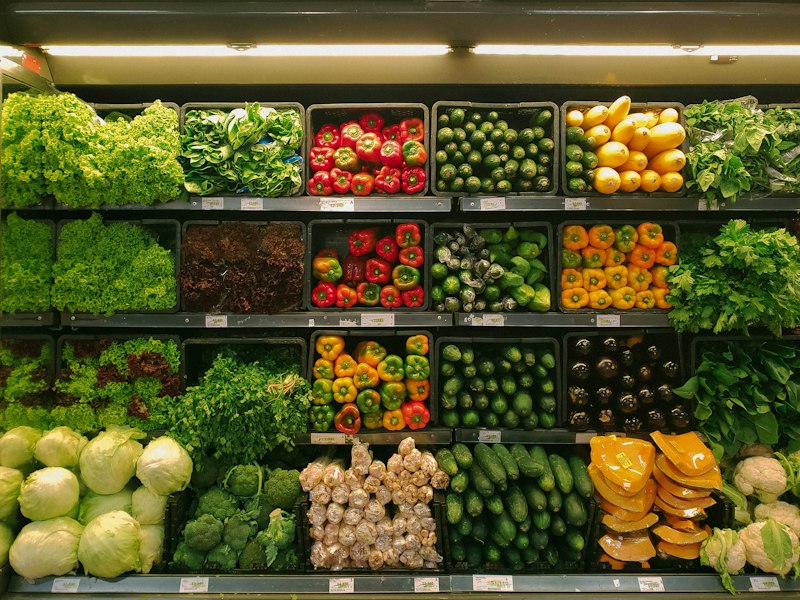
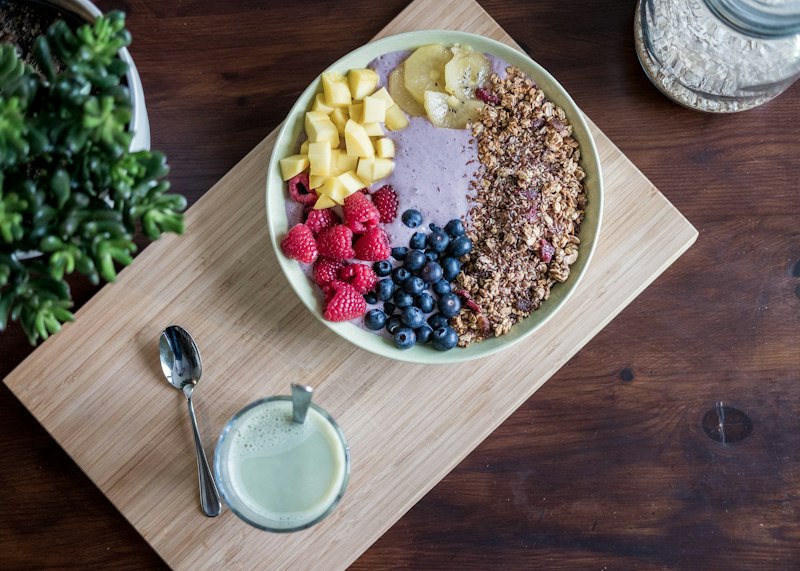
Dietary water from food sources provides approximately 20–30% of total daily water intake and is often more efficiently retained than water consumed as beverages. Foods with the highest water content include cucumber (96% water), celery (95%), iceberg lettuce (96%), zucchini (94%), tomatoes (95%), watermelon (92%), and strawberries (91%). These foods simultaneously provide electrolytes, antioxidants, and fiber.
Optimal hydration is foundational to every longevity strategy — it supports cardiovascular efficiency, cognitive function, kidney health, cellular metabolism, and physical performance. The simplest longevity habit you can implement today is drinking a glass of water first thing every morning, before coffee, before checking your phone, and before anything else. Over years and decades, this single habit compounds into meaningfully better cellular health.
Marcus Chen
Health Science Writer
Expert contributor at our health & wellness platform, bringing evidence-based insights to help you achieve your nutrition and fitness goals.