Cognitive decline isn't inevitable. Research shows omega-3s can preserve brain volume and reduce dementia risk by up to 40%.
Your brain is 60% fat, and DHA (docosahexaenoic acid) is its most abundant structural fatty acid, comprising approximately 40% of all polyunsaturated fatty acids in the brain. DHA is not merely a fuel source — it is a fundamental building material for neuronal membranes, synaptic vesicles, and the myelin sheaths that coat nerve fibers and enable rapid signal transmission. Without adequate dietary DHA, the brain incorporates inferior fatty acids into these critical structures, reducing membrane fluidity, slowing neural signaling, and impairing the cellular machinery of cognition.
Cognitive decline is not inevitable — it is largely a disease of lifestyle, and dietary omega-3 status is one of its most modifiable risk factors. Here's what the current evidence reveals about protecting your brain through diet.
## The Brain-DHA Connection
"Your brain is 60% fat, with DHA being the most abundant structural fatty acid. Without adequate DHA, the brain incorporates inferior fats into neuronal membranes, reducing their flexibility and signaling capacity."
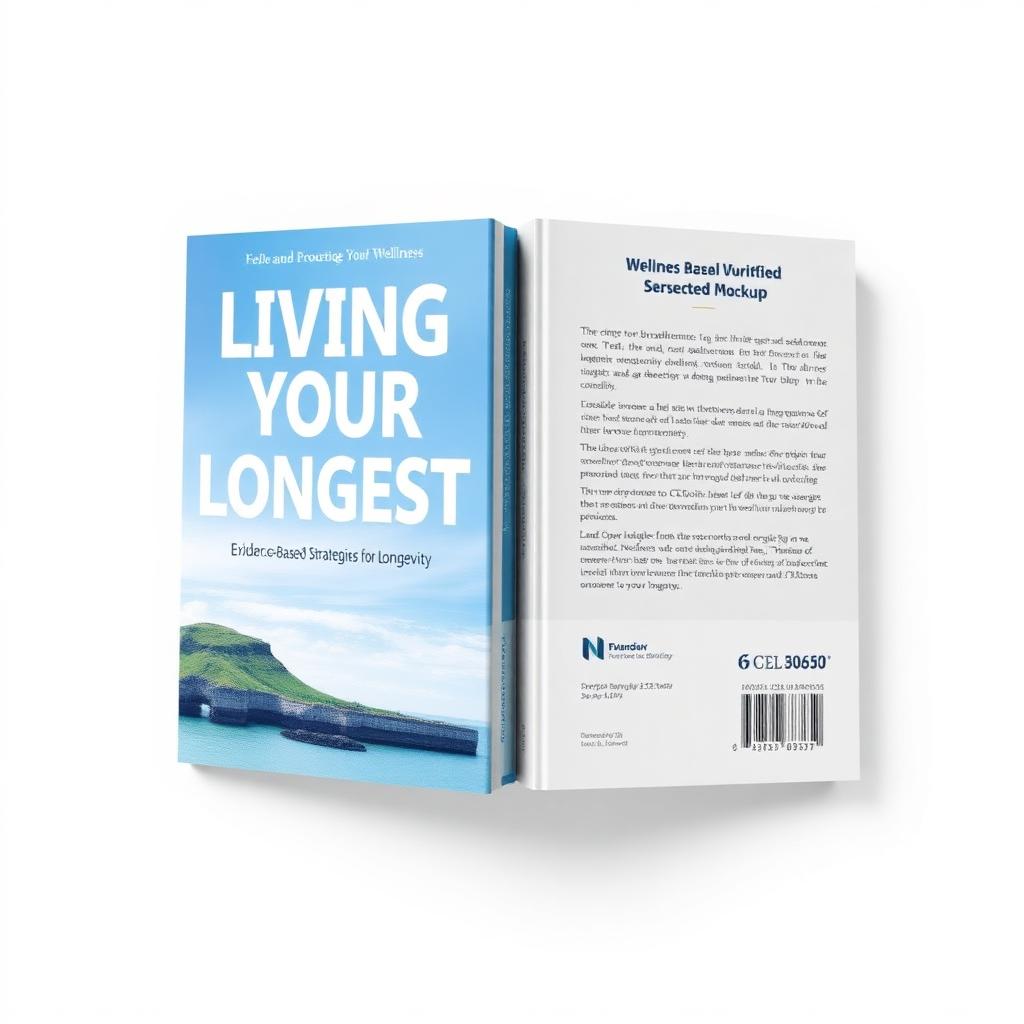
Living Your Longest
Evidence-based strategies for longevity and healthy ageing.
Epidemiological research consistently demonstrates that populations with higher omega-3 consumption show lower rates of cognitive decline, dementia, and Alzheimer's disease. A landmark 2012 study in Neurology found that adults in the lowest quartile of omega-3 consumption had brain volumes equivalent to approximately 2 years of additional aging compared to those in the highest quartile — measurable on MRI as reduced gray matter volume in areas critical for memory and executive function.
Predict How Food Affects Your Body
Before You Eat.
Log glucose readings, energy levels, and sleep quality to build your personal metabolic fingerprint. Our platform then predicts the glucose spike, energy impact, and metabolic score of any meal before you eat it — and suggests real-time tweaks like 'add avocado to blunt the glucose spike' right on the meal card.
Smarter than calorie counting. Two meals with identical calories can have wildly different effects on your energy, cravings, and fat storage. Metabolic Intelligence reveals the difference.
Free to use · No credit card required

In 2022, the VITAL trial extension found that omega-3 supplementation (1g EPA+DHA daily) reduced the risk of Alzheimer's disease dementia by 40% in participants without family history of the disease. This finding aligns with decades of observational data and proposed mechanisms including reduced amyloid aggregation, improved cerebrovascular function, and decreased neuroinflammation.
"People with the highest omega-3 index have brains that appear 2 years biologically younger on MRI scans compared to those with the lowest omega-3 status."
The omega-3 index — a measure of EPA and DHA as a percentage of total fatty acids in red blood cells — is emerging as a clinical biomarker of brain aging risk. An omega-3 index above 8% is associated with substantially lower cardiovascular and cognitive disease risk, while most Western adults have an index of 4–5%. Achieving an index above 8% typically requires consuming at least 2g of EPA+DHA daily, equivalent to two to three servings of fatty fish per week.
## EPA for Neuroinflammation
EPA (eicosapentaenoic acid) serves a somewhat different role than DHA. While DHA is primarily structural, EPA is the primary anti-inflammatory omega-3, acting as a precursor to resolvins and protectins — bioactive lipid mediators that actively resolve neuroinflammation. Neuroinflammation is a central feature of virtually every neurodegenerative disease and is also strongly implicated in depression — a condition that approximately doubles dementia risk.
"EPA is the omega-3 most directly linked to mood and neuroinflammation control. Studies show EPA is more effective than DHA at reducing depression severity — a condition that itself dramatically accelerates cognitive aging."
Clinical research has consistently found EPA more effective than DHA for mood disorders. A 2011 meta-analysis in the Journal of Clinical Psychiatry found that omega-3 formulations with EPA dominance were significantly more effective at reducing depression severity than DHA-dominant preparations. For cognitive neuroprotection, aim for approximately equal EPA and DHA, but for mood and neuroinflammation, EPA-dominant preparations (at least 60% EPA of total omega-3) appear superior.
Best dietary sources of EPA and DHA: wild-caught salmon (2.2g per 3oz serving), Atlantic mackerel (2.6g per 3oz), sardines (1.4g per 3oz), herring (2.0g per 3oz), and oysters (0.6g per 3oz).
## Optimal Intake for Cognitive Protection
"The dementia prevention window is decades before diagnosis. Dietary omega-3 status in your 40s and 50s is a far stronger predictor of cognitive health in your 70s than any intervention made after symptoms appear."
Current evidence supports a target of 2–3g of combined EPA+DHA daily for cognitive protection — higher than general cardiovascular recommendations. This level is achievable through two to three weekly servings of fatty fish combined with a modest fish oil supplement on non-fish days, or through consistent supplementation alone.
We Don't Just Tell You What to Do.
We Tell You Why You Failed Before.
Most people treat health like a math problem — but it's a behavioural problem. Our combined psychology assessment identifies the patterns sabotaging both your diet and fitness progress, then builds one unified plan that works with your real personality.
More likely to succeed. Programs incorporating CBT result in significantly better long-term weight maintenance.
Diet + Fitness combined · Completely free · ~4 minutes

8 diet profiles + 8 fitness profiles — which combination are you?
Algae-based omega-3s (algal oil) are the only plant-derived source of preformed EPA and DHA, making them the preferred option for vegetarians and vegans. They provide comparable bioavailability to fish oil and are, in fact, the original source of the omega-3s that accumulate in fish.
## Beyond Fish: Plant Omega-3s
ALA (alpha-linolenic acid), found in flaxseeds, chia seeds, walnuts, and hemp seeds, is a plant-based omega-3 that can be converted to EPA and DHA in the body. However, this conversion is highly inefficient — typically only 5–15% of ALA converts to EPA, and less than 1% to DHA. Plant omega-3s provide meaningful anti-inflammatory benefits but cannot substitute for preformed EPA and DHA from marine sources for brain protection purposes.
Investing in omega-3 status in your 40s and 50s is a far stronger predictor of cognitive health in your 70s than any intervention made after symptoms appear. The dementia prevention window is decades before diagnosis — and the fork is your most powerful tool.
Dr. Elena Torres
Longevity Researcher
Expert contributor at our health & wellness platform, bringing evidence-based insights to help you achieve your nutrition and fitness goals.