These plant compounds activate ancient survival pathways in your cells, extending lifespan in virtually every species studied.
Polyphenols are a vast family of bioactive plant compounds — over 8,000 distinct molecules — produced by plants as a defense against UV radiation, pathogens, oxidative stress, and predators. When humans eat these compounds, we essentially borrow the plant's stress-resistance machinery. This evolutionary co-adaptation is reflected in the extraordinary depth of research demonstrating that polyphenol-rich diets are among the most consistently protective nutritional patterns for human health and longevity.
The mechanisms are multiple and synergistic: polyphenols activate the Nrf2 antioxidant defense pathway, inhibit NF-kB inflammatory signaling, modulate gut microbiome composition, activate sirtuins (the longevity proteins), and trigger autophagy — the cellular self-cleaning process. No single drug produces this breadth of beneficial effects across this number of biological pathways.
## Resveratrol and Sirtuin Activation
"Plants don't make polyphenols for our benefit — they make them to survive stress, UV radiation, and pathogens. When we eat these compounds, we borrow the plant's stress-resistance machinery."
Living Your Longest
Evidence-based strategies for longevity and healthy ageing.
Resveratrol is the polyphenol most famously associated with longevity research. Found in grape skins, red wine, Japanese knotweed, and mulberries, resveratrol activates SIRT1 — a sirtuin protein that regulates DNA repair, inflammation, metabolism, and cellular stress response. SIRT1 activation mimics some of the effects of caloric restriction at the cellular level, which is the most robust lifespan-extending intervention known across virtually every species studied.
We Don't Just Tell You What to Do.
We Tell You Why You Failed Before.
Most people treat health like a math problem — but it's a behavioural problem. Our combined psychology assessment identifies the patterns sabotaging both your diet and fitness progress, then builds one unified plan that works with your real personality.
More likely to succeed. Programs incorporating CBT result in significantly better long-term weight maintenance.
Diet + Fitness combined · Completely free · ~4 minutes

8 diet profiles + 8 fitness profiles — which combination are you?
Red wine contains approximately 0.1–5mg of resveratrol per glass — a dose that research has shown is sufficient to measurably activate SIRT1 in human cells. This provides a partial biochemical rationale for the 'French Paradox' and the consistent association between moderate red wine consumption and cardiovascular protection in Mediterranean populations, though the overall dietary pattern and lifestyle context are equally important.
"Resveratrol activates SIRT1 — the same longevity gene that caloric restriction activates. A glass of red wine contains enough resveratrol to measurably alter sirtuin activity in human cells."
Pterostilbene, a close structural relative of resveratrol found in blueberries, has emerged as potentially more potent due to its superior bioavailability — approximately 80% absorbed compared to 20–40% for resveratrol. Eating blueberries daily may deliver more functional sirtuin-activating polyphenols than moderate red wine consumption.
## EGCG from Green Tea
Epigallocatechin gallate (EGCG) is the primary bioactive polyphenol in green tea and one of the most extensively studied plant compounds in longevity research. EGCG simultaneously activates autophagy, inhibits mTOR, reduces amyloid-beta aggregation implicated in Alzheimer's disease, and activates AMPK — the energy-sensing enzyme that is a master regulator of metabolic health.
"The gut microbiome converts many polyphenols into their active forms. Your ability to benefit from dietary polyphenols depends critically on the diversity of your gut bacteria."
Large Japanese cohort studies have found that drinking 5 or more cups of green tea daily is associated with a 26% lower risk of cardiovascular death, a 31% lower risk of stroke, and meaningfully delayed cognitive decline compared to non-tea drinkers. Matcha — ground whole green tea leaves — contains 3–5 times the EGCG of standard brewed green tea and also provides L-theanine, an amino acid that promotes calm alertness.
## Quercetin: The Senolytic Polyphenol
Quercetin has attracted significant research attention for its senolytic properties — its ability to selectively eliminate senescent cells (dysfunctional 'zombie cells' that accumulate with age and drive inflammaging through their pro-inflammatory secretome). A landmark 2019 study in EBioMedicine found that a combination of quercetin and dasatinib significantly reduced senescent cell burden in human adipose tissue within 11 days.
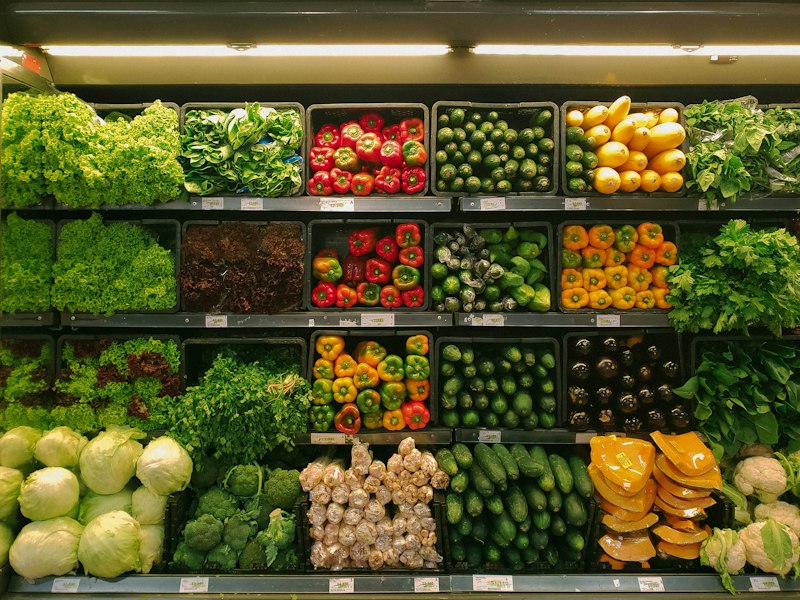
"Eating 30+ different plant foods weekly — not just a high dose of any single polyphenol — is the strategy most strongly correlated with longevity outcomes in every large dietary study."
Dietary quercetin from capers, onions, apples, broccoli, berries, and red leaf lettuce provides a consistent, lower-dose senolytic and anti-inflammatory effect as part of a daily diet. Quercetin's bioavailability is enhanced significantly when consumed with fat — another reason that olive oil-based dressings on quercetin-rich vegetables are the optimal preparation.
Predict How Food Affects Your Body
Before You Eat.
Log glucose readings, energy levels, and sleep quality to build your personal metabolic fingerprint. Our platform then predicts the glucose spike, energy impact, and metabolic score of any meal before you eat it — and suggests real-time tweaks like 'add avocado to blunt the glucose spike' right on the meal card.
Smarter than calorie counting. Two meals with identical calories can have wildly different effects on your energy, cravings, and fat storage. Metabolic Intelligence reveals the difference.
Free to use · No credit card required

## Curcumin and NF-kB Inhibition
Curcumin, the primary bioactive polyphenol in turmeric, inhibits NF-kB — the transcription factor that serves as the master switch for inflammatory gene expression. Chronic NF-kB activation is a hallmark of aging tissue and is implicated in cardiovascular disease, cancer, and neurodegeneration.
Curcumin also activates Nrf2, promotes autophagy, and inhibits amyloid-beta aggregation in neural tissue. A 2018 randomized controlled trial published in the American Journal of Geriatric Psychiatry found that 90mg of curcumin twice daily improved memory and attention in non-demented adults over 18 months, with brain scans showing significantly less amyloid accumulation compared to placebo.
A polyphenol-rich dietary pattern — daily green tea, regular berries, extra-virgin olive oil, turmeric in cooking, abundant onions and garlic, red wine in moderation — provides multi-pathway longevity support that no supplement stack can replicate. Diversity of polyphenol sources matters as much as quantity: eating 30 or more different plant foods weekly creates a polyphenol ecosystem optimized for comprehensive cellular protection.
Dr. Elena Torres
Longevity Researcher
Expert contributor at our health & wellness platform, bringing evidence-based insights to help you achieve your nutrition and fitness goals.