Mounjaro and Ozempic work by amplifying GLP-1 — but specific foods can naturally boost the same hormones. Here's the evidence-based 'Natural Mounjaro' eating protocol.
Mounjaro (tirzepatide) and Ozempic (semaglutide) have transformed obesity medicine by mimicking GLP-1 — a hormone your gut naturally secretes after meals. But the question almost no one asks is: what does GLP-1 actually do, and can the same effect be triggered by food alone? The answer, supported by a growing body of clinical research, is yes. GLP-1 is not a pharmaceutical invention — it is an endogenous incretin hormone secreted by L-cells in the lower small intestine and colon in response to specific nutrient signals. Mounjaro works by binding to GLP-1 (and GIP) receptors with extreme potency and a long half-life. Food works by triggering your own L-cells to secrete the real hormone — at lower peaks, but with no cost, no injection, and no side effects.
The 'Natural Mounjaro Diet' is not a fad — it is a structured way of eating designed to maximize endogenous GLP-1 release and amplify its three core appetite-regulating effects: slowing gastric emptying (you feel full longer on less food), reducing reward-driven food cravings via central nervous system signaling, and improving glucose-stimulated insulin secretion (flatter post-meal glucose curves and reduced fat storage signaling). Clinical research from the University of Copenhagen and elsewhere has documented that meals high in soluble fiber and protein produce GLP-1 responses 2 to 3 times higher than typical low-fiber meals, with appetite suppression measurable for 4 to 6 hours afterward.
## The Four Pillars of the Natural Mounjaro Diet
"Mounjaro doesn't burn fat — it amplifies the GLP-1 and GIP hormones your gut already makes. Specific foods stimulate those same hormones for free."
Carb Cycling for Weight Loss
Strategic carb manipulation for fat loss while maintaining muscle mass.
Pillar one is high protein at every meal — a minimum of 30 grams. Protein is the single most potent dietary stimulator of GLP-1, PYY (another satiety hormone), and CCK. A landmark study in the American Journal of Clinical Nutrition found that increasing dietary protein from 15% to 30% of calories spontaneously reduced caloric intake by 441 calories per day — without any deliberate restriction. The mechanism is hormonal, not willpower. Practical sources: Greek yogurt (20g/cup), eggs (6g each), chicken breast (31g/100g), tofu (15g/100g), cottage cheese (25g/cup), lentils (18g/cup), whey or pea protein (25g/scoop).
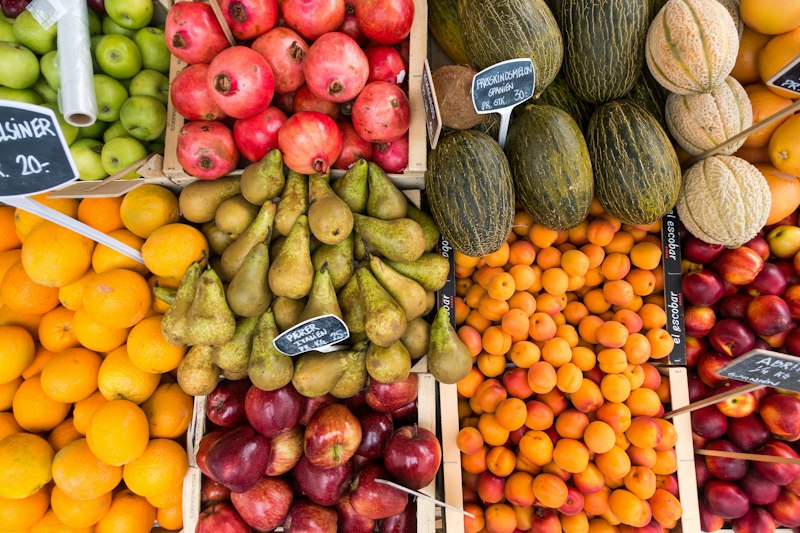
Pillar two is viscous, fermentable fiber — the kind that forms a gel in your gut and feeds the bacteria that signal L-cells. Target 25 to 35 grams per day, with at least 10g of viscous fiber. The standout sources are beta-glucan from oats and barley, glucomannan from konjac, psyllium husk, chia seeds, ground flaxseed, and the soluble fiber in legumes, apples, pears, berries, and Brussels sprouts. A 2019 trial in the journal Nutrients showed that 10g of psyllium before a meal increased post-meal GLP-1 by 38% and reduced subsequent caloric intake at the next meal by 14%.
"30g of soluble fiber and 30g of protein per meal triggers a documented 2- to 3-fold increase in endogenous GLP-1 release within 60 minutes."

🧠 You're not hungry, you're bored. Try a 2-min walk.
✅ 340 kcal under target — on track!
🌅 Skipping breakfast causes 3pm crashes. Fuel up!
🍫 Craving chocolate? That's low magnesium. Try almonds.
😤 Stressed? Don't eat — breathe 4-7-8 for 60 seconds.
We Put Your Journey on Autopilot.
Once assessed, our optional notifications act as "Just-in-Time Adaptive Interventions" (JITAI) — a digital therapist in your pocket. Behavioural scientists say lasting change happens when Motivation, Ability, and a Prompt converge at the same moment. Our coach delivers exactly that, learning from your logged meals, moods, and habits to become more accurate over time. Instead of generic reminders, Marcus sends context-aware nudges grounded in CBT — challenging the specific thought patterns that derail your progress, right when they're most likely to strike.
Your Coach Never Sleeps.
Marcus sends intelligent CBT-based push notifications that rewire your decisions in real time — challenging cognitive distortions before the damage is done.
Pillar three is meal sequencing — eat protein and fiber first, carbs last. Research from Weill Cornell Medical College demonstrated that consuming protein and vegetables 15 minutes before the carbohydrate portion of a meal reduced post-meal glucose by 37% and post-meal insulin by 20% compared to eating carbs first — and notably, GLP-1 levels were significantly higher when protein led the meal. The same calories, the same foods — just a different order — produces a Mounjaro-like glucose and hormone curve.
Pillar four is the post-meal walk plus vinegar. A 10 to 15-minute walk within 30 minutes of eating activates insulin-independent glucose uptake by muscles (via GLUT4 translocation) and amplifies the GLP-1 effect on gastric emptying. One to two tablespoons of apple cider vinegar in water before a high-carb meal reduces post-meal glucose by 19–34% and prolongs the satiety window — synergistic with, not redundant to, the GLP-1 mechanism.
## What to Eat: A Sample Natural Mounjaro Day
"Viscous fibers (oats, chia, psyllium, beans) ferment in the colon to produce short-chain fatty acids that signal L-cells to secrete GLP-1 for up to 6 hours after eating."
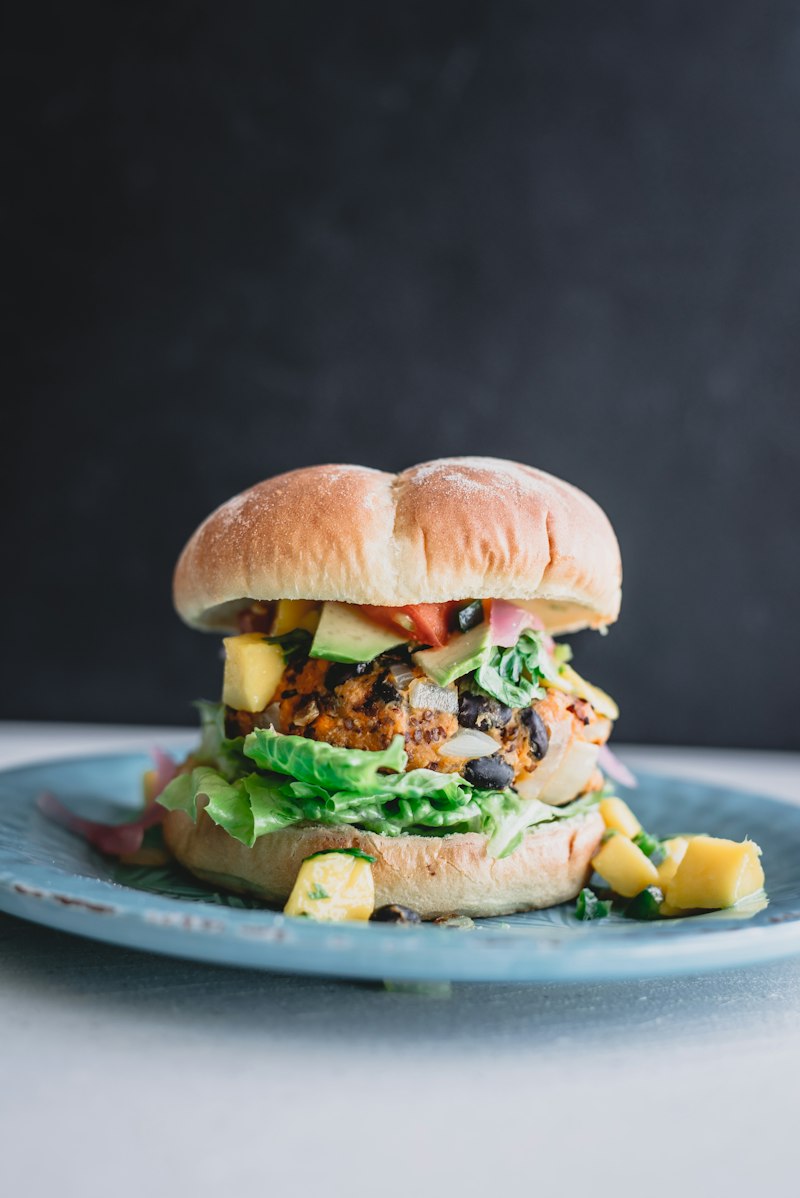
Breakfast: Greek yogurt parfait with 1 cup plain Greek yogurt (22g protein), 2 tbsp chia seeds (10g fiber), 1/2 cup berries, 1/4 cup walnuts. Lunch: Lentil and chicken salad with 100g grilled chicken (31g protein), 1 cup cooked lentils (18g protein, 16g fiber), mixed greens, avocado, olive oil-vinegar dressing. Snack: 1 apple with 2 tbsp natural peanut butter and a glass of water with 1 tbsp ACV. Dinner: Salmon (150g) with roasted Brussels sprouts and a side of barley pilaf — eat the salmon and Brussels sprouts first, barley last. Total: ~110g protein, ~38g fiber, with three post-meal walks of 10–15 minutes each.
## Foods That Suppress Endogenous GLP-1 (and Should Be Limited)
Just as some foods amplify GLP-1, others actively suppress it. Refined carbohydrates (white bread, pastries, sugary cereals, candy) cause rapid glucose spikes followed by insulin overshoot — a hormonal pattern that downregulates L-cell sensitivity and creates the rebound hunger pattern characteristic of Standard American Diet eating. Ultra-processed foods low in fiber and protein bypass the L-cell stimulation entirely — they pass through the small intestine without triggering meaningful GLP-1 release, which is one mechanism by which they drive overeating in feeding studies (Hall et al., Cell Metabolism 2019, found people consumed 508 more calories per day on ultra-processed diets despite identical macronutrients).
"The Natural Mounjaro stack — protein-first sequencing, viscous fiber, vinegar, and a 10-minute walk — replicates roughly 40–60% of the appetite-suppressing effect of low-dose GLP-1 medication in clinical trials."
Sugar-sweetened beverages are particularly damaging because they deliver large glucose loads with zero protein, fiber, or fat to slow absorption — producing a maximally insulin-spiking, minimally GLP-1-stimulating signal. Sucralose and some other artificial sweeteners have been shown in mechanistic studies to actually blunt GLP-1 response to subsequent real-food meals. Alcohol suppresses GLP-1 in a dose-dependent fashion and disinhibits appetite via central reward pathways.
## How Effective Is the Natural Mounjaro Diet vs. Actual Mounjaro?
We Don't Just Tell You What to Do.
We Tell You Why You Failed Before.
Most people treat health like a math problem — but it's a behavioural problem. Our combined psychology assessment identifies the patterns sabotaging both your diet and fitness progress, then builds one unified plan that works with your real personality.
More likely to succeed. Programs incorporating CBT result in significantly better long-term weight maintenance.
Diet + Fitness combined · Completely free · ~4 minutes

8 diet profiles + 8 fitness profiles — which combination are you?
Let's be honest about the comparison. Pharmaceutical GLP-1 agonists like Mounjaro produce hormone signaling roughly 50 to 100 times stronger than physiological levels and last for a week per dose. The Natural Mounjaro Diet produces hormone signals within the body's normal physiological range, lasting hours per meal. In direct comparison, a structured high-protein, high-fiber dietary intervention typically produces 5–10% body weight loss over 12 months in clinical trials, while tirzepatide produces 15–20% loss over the same period. The natural approach is genuinely effective — and it is sustainable, free, has no injection-related side effects, builds long-term metabolic health, and avoids the well-documented muscle and bone loss associated with rapid pharmaceutical weight loss.
Critically, the Natural Mounjaro Diet is also the optimal companion for anyone actually using GLP-1 medication. The biggest unsolved problem with Mounjaro and Ozempic is that 25 to 40% of weight lost comes from muscle, and rebound weight regain after stopping is rapid and substantial. A high-protein, high-fiber diet preserves lean mass, supports the gut microbiome (which becomes dysregulated under appetite suppression and reduced food intake), and creates the metabolic infrastructure to maintain weight loss after eventual medication discontinuation.
## Getting Started: Your First 7 Days
Day 1–2: Add 30g of protein to breakfast (the meal where most people are most protein-deficient). Day 3–4: Add 1 tablespoon of chia seeds and 1 tablespoon of ground flaxseed to one meal per day. Day 5: Begin meal sequencing — protein and vegetables before carbs at every meal. Day 6: Add a 10-minute post-meal walk after lunch and dinner. Day 7: Add 1 tablespoon of apple cider vinegar in water before the highest-carb meal of the day. By day 7 you are running a complete Natural Mounjaro protocol, and most people report noticeably reduced cravings, longer satiety, and lower 'food noise' within the first 10 to 14 days — the same subjective experience reported by GLP-1 medication users at lower intensity. The hormones are real. The effect is real. The food just has to be right.
Dr. Sarah Chen
Metabolic Researcher
Expert contributor at our health & wellness platform, bringing evidence-based insights to help you achieve your nutrition and fitness goals.