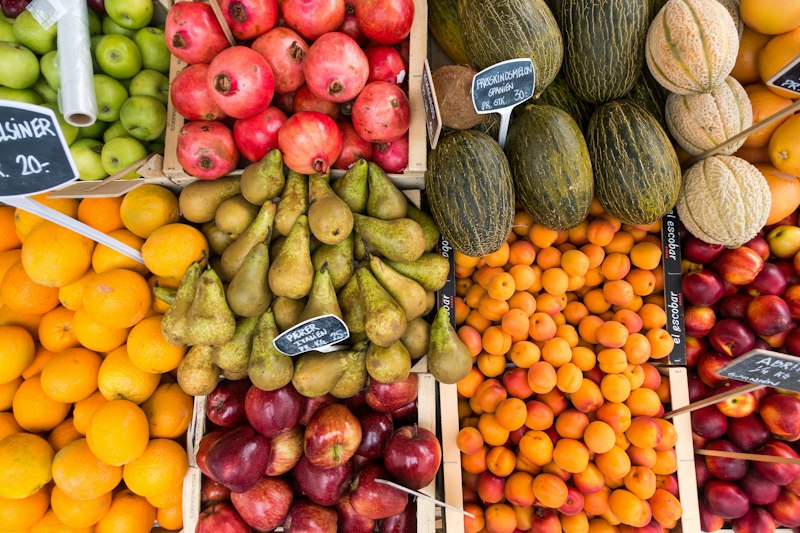
An underperforming thyroid slows metabolism. These nutrients support optimal thyroid function.
The thyroid gland — a butterfly-shaped endocrine organ at the base of the neck — produces hormones that govern the metabolic rate of virtually every cell in the body. Thyroid hormones (primarily thyroxine, T4, and triiodothyronine, T3) regulate basal metabolic rate, protein synthesis, cardiac output, digestive function, brain development and cognition, temperature regulation, and reproductive hormone balance. When thyroid function is suboptimal — whether due to autoimmune Hashimoto's thyroiditis (the most common cause of hypothyroidism), nutrient deficiencies, chronic caloric restriction, or environmental toxin exposure — the metabolic consequences are pervasive and often underdiagnosed.
Hypothyroidism affects an estimated 4.6 percent of the US population aged 12 and older, with subclinical hypothyroidism (elevated TSH with normal T4, often producing symptoms) affecting an additional 4 to 8 percent. Women are five to eight times more likely to develop thyroid conditions than men, with the highest incidence occurring during and after pregnancy and perimenopause. Many cases of subclinical or overt hypothyroidism involve correctable nutritional deficiencies — making dietary optimization a meaningful complement to, and sometimes substitute for, pharmacological thyroid support.
## Essential Thyroid Nutrients
"Your thyroid produces the hormones that set your metabolic rate for every cell in your body — when it underperforms, everything slows down: energy, metabolism, cognition, and mood."
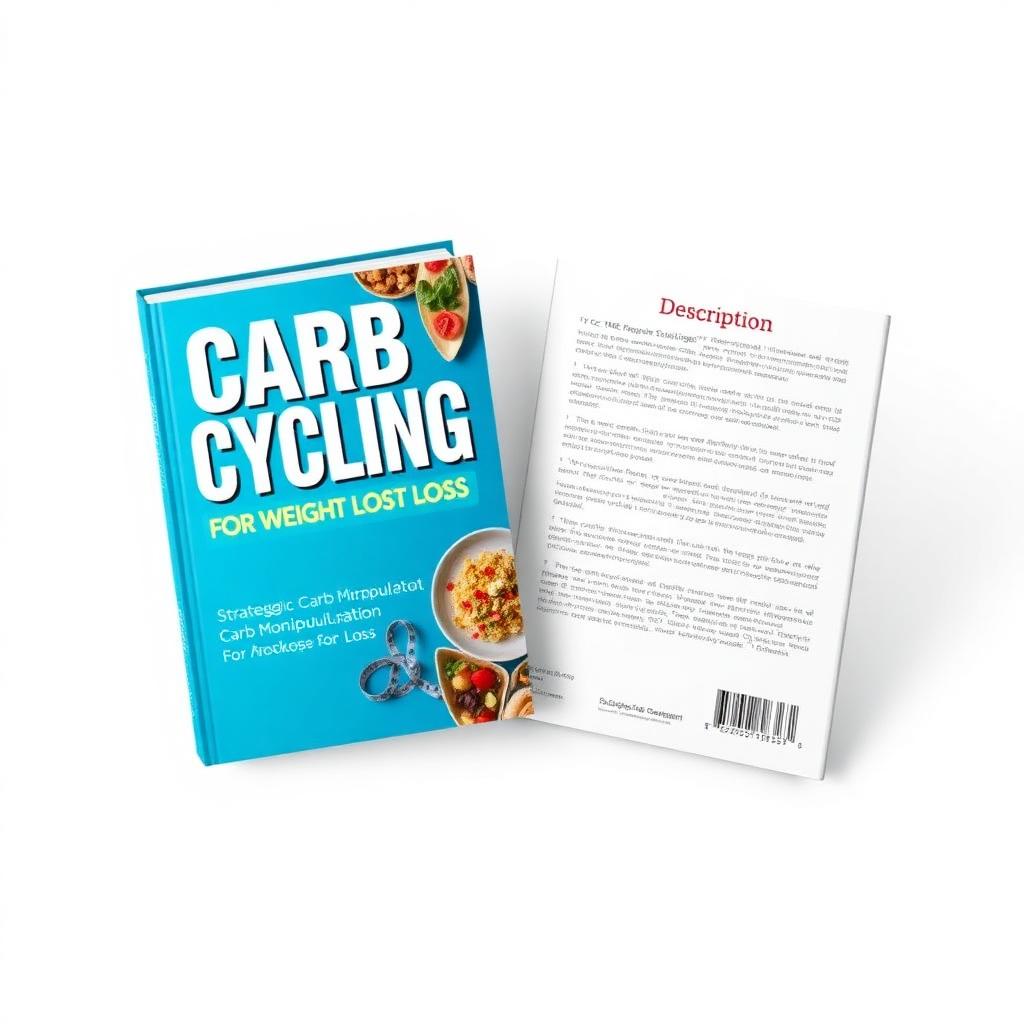
Carb Cycling for Weight Loss
Strategic carb manipulation for fat loss while maintaining muscle mass.
Scan Any Food. Track Instantly.
No more manual searching or guessing nutritional values. Point your camera at any barcode and get full macro and micro data in under a second — calories, protein, carbs, fat, fibre, sugar, and salt. Every scan auto-logs to your daily food journal, keeping you effortlessly on track.
Products in database. Powered by Open Food Facts — the world's largest open food database. If it has a barcode, we've got it.
Free to use · No credit card required

Iodine is the most fundamental thyroid nutrient — it is literally incorporated into thyroid hormone molecules. T4 contains four iodine atoms; T3 contains three. Without adequate iodine, the thyroid cannot synthesize sufficient hormone regardless of stimulation from TSH. Iodine deficiency remains the world's most common preventable cause of thyroid dysfunction and intellectual disability globally. While iodized salt resolved severe iodine deficiency in the United States during the 20th century, the shift toward sea salt (not iodized), reduced salt use due to cardiovascular concerns, and increased consumption of non-iodized specialty salts has contributed to declining iodine levels in the US population — with NHANES data showing a 50 percent decline in median urinary iodine since the 1970s.
The RDA for iodine is 150 micrograms per day for adults, rising to 220 to 290 micrograms during pregnancy and lactation. Dietary sources include: iodized salt (approximately 77 micrograms per quarter teaspoon), seafood (particularly cod, shrimp, and tuna), dairy products (iodine from livestock feed and udder disinfectants), and seaweed (nori, wakame, and kelp — though kelp can provide supraphysiological iodine quantities and should be consumed moderately). Pregnant women and those following plant-based diets avoiding dairy and seafood are at highest risk for inadequate iodine intake.
"Iodine deficiency is the world's most common preventable cause of thyroid dysfunction — yet in the era of low-sodium diets and non-iodized salt, it's quietly making a comeback."
Selenium is arguably the most under-recognized thyroid nutrient. The thyroid contains the highest concentration of selenium per gram of any organ in the body, and selenium-dependent enzymes (deiodinases) perform the critical conversion of inactive T4 to active T3 — the metabolically potent thyroid hormone. Without adequate selenium, circulating T4 levels may be normal while T3 production is impaired, producing hypothyroid symptoms despite 'normal' standard thyroid panels. Selenium also serves as a cofactor for glutathione peroxidase, which protects thyroid cells from the oxidative stress inherent in thyroid hormone synthesis.
Brazil nuts are the richest dietary selenium source — one to two nuts per day typically provides adequate selenium (approximately 70 to 90 micrograms each). Seafood, organ meats, eggs, and whole grains from selenium-rich soils are other significant sources. The optimal selenium intake for thyroid health is 100 to 200 micrograms per day — the RDA of 55 micrograms may be insufficient for individuals with Hashimoto's thyroiditis. Multiple randomized controlled trials have found that selenium supplementation in Hashimoto's patients reduces thyroid peroxidase antibody levels and improves quality of life.
## Foods That Support Thyroid Function
"Selenium is essential for converting inactive T4 to active T3 — without it, you can have normal T4 levels and still experience hypothyroid symptoms. It's the most overlooked thyroid nutrient."
Beyond iodine and selenium, zinc (from meat, shellfish, seeds, and legumes) is required for thyroid hormone receptor sensitivity — zinc deficiency impairs cellular responsiveness to thyroid hormones even when hormone production is adequate. Iron deficiency impairs thyroid peroxidase activity — the enzyme responsible for thyroid hormone synthesis — making iron status critically important for thyroid function, particularly in menstruating women. Vitamin D deficiency is strongly associated with Hashimoto's thyroiditis and hypothyroidism; optimization to above 50 ng/mL has been shown in clinical trials to reduce TPO antibodies and improve thyroid function.
## The Goitrogen Myth
Eat the Right Meal for Your Exact Workout.
Add multiple exercises to your upcoming session, set individual durations, and get blended fuel recommendations with metabolic scores. The AI maps each exercise type to ideal macro ratios and timing, then filters hundreds of meals for the best matches — so you perform at your peak without guesswork.
Train harder. Recover faster. The AI calculates the ideal carb-to-protein ratio and timing window so you fuel up properly and recover faster after every session.
Free to use · No credit card required
The concern that cruciferous vegetables (broccoli, cauliflower, cabbage, kale, Brussels sprouts) impair thyroid function through goitrogenic compounds has been substantially overstated in popular health media. Goitrogens in cruciferous vegetables (primarily glucosinolates that are converted to isothiocyanates during digestion) theoretically inhibit thyroid iodine uptake — but this effect is relevant only in the context of severe iodine deficiency. For people with adequate iodine intake, research shows no clinically meaningful impact of normal cruciferous vegetable consumption on thyroid function. Cooking cruciferous vegetables inactivates 90 percent of their goitrogenic compounds, making cooked preparation safer for those with confirmed thyroid dysfunction.
"Chronic caloric restriction — common in dieters — suppresses T3 production as a metabolic conservation response, making aggressive dieting counterproductive for long-term thyroid and metabolic health."
## Thyroid-Disrupting Foods and Habits
Chronic caloric restriction — commonly practiced in dieters — suppresses T3 production as a metabolic conservation response. Research shows that reducing caloric intake by 40 percent suppresses T3 by 25 to 40 percent within weeks, slowing metabolic rate beyond what would be predicted by lean mass changes alone. This thyroid-mediated metabolic adaptation partially explains why aggressive caloric restriction becomes progressively less effective over time and why diet breaks at maintenance calories can restore thyroid hormone levels and metabolic rate. Supporting thyroid function requires adequate caloric intake — aggressive dieting is counterproductive for long-term thyroid and metabolic health in ways that go far beyond the muscle-loss concerns more commonly discussed.
James Rodriguez
Metabolic Health Coach
Expert contributor at our health & wellness platform, bringing evidence-based insights to help you achieve your nutrition and fitness goals.