
Not all body fat is equal. Visceral fat is metabolically active and dangerous.
Body fat is not a homogeneous tissue. Two people of identical body weight, height, and BMI can have dramatically different health risk profiles depending on where their fat is distributed. Subcutaneous fat — the soft fat you can pinch beneath the skin — is metabolically relatively inert storage that poses moderate health risks when excessive. Visceral fat — the fat deposited inside the abdominal cavity, surrounding the liver, pancreas, intestines, and kidneys — is a fundamentally different tissue with dramatically different and far more dangerous metabolic properties.
Visceral fat is not passive storage — it is an active endocrine organ. Unlike subcutaneous fat, visceral adipose tissue secretes significant quantities of pro-inflammatory cytokines (IL-6, TNF-alpha, IL-1beta), adipokines (including resistin and reduced adiponectin), free fatty acids, and cortisol precursors directly into the portal circulation — the blood supply that flows from the gut directly to the liver. This anatomical positioning means that visceral fat's inflammatory mediators reach the liver in high concentrations before being diluted in the systemic circulation, explaining why excessive visceral fat is so specifically damaging to liver function, insulin sensitivity, and cardiovascular health.
## Why Visceral Fat Is Uniquely Dangerous
"Visceral fat is not inert storage — it is an endocrine organ secreting inflammatory cytokines, hormones, and free fatty acids directly into the portal circulation reaching your liver."
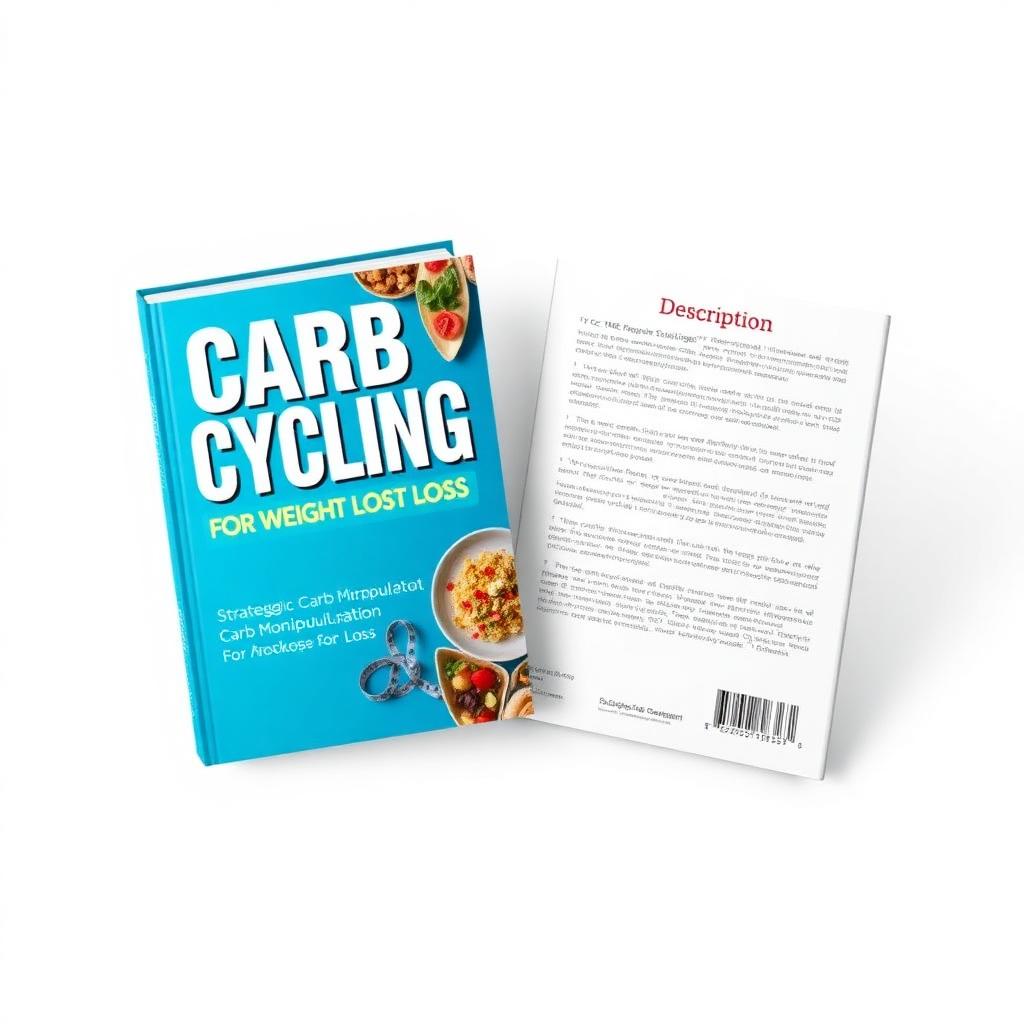
Carb Cycling for Weight Loss
Strategic carb manipulation for fat loss while maintaining muscle mass.
The portal delivery of free fatty acids from visceral fat directly to the liver is the primary mechanism by which visceral adiposity drives non-alcoholic fatty liver disease (NAFLD), insulin resistance, and elevated cardiovascular risk. The liver responds to excess portal free fatty acid delivery by increasing hepatic triglyceride synthesis (raising blood triglycerides), increasing VLDL particle secretion (raising cardiovascular risk), and developing insulin resistance that impairs hepatic glucose regulation (driving elevated fasting glucose and type 2 diabetes).
Eat the Right Meal for Your Exact Workout.
Add multiple exercises to your upcoming session, set individual durations, and get blended fuel recommendations with metabolic scores. The AI maps each exercise type to ideal macro ratios and timing, then filters hundreds of meals for the best matches — so you perform at your peak without guesswork.
Train harder. Recover faster. The AI calculates the ideal carb-to-protein ratio and timing window so you fuel up properly and recover faster after every session.
Free to use · No credit card required

Visceral fat also independently predicts cardiovascular disease risk beyond traditional lipid markers. A landmark study published in JAMA Cardiology found that visceral fat area measured by CT scan was a stronger predictor of heart attack risk than LDL cholesterol, BMI, or waist circumference. The inflammatory cytokines secreted by visceral adipose tissue directly damage endothelial cells lining blood vessels, promote atherosclerotic plaque formation, and increase thrombotic risk. Elevated IL-6 from visceral fat increases hepatic CRP production — explaining why high-sensitivity CRP is elevated in people with metabolic syndrome even in the absence of obvious infection or inflammation.
"A waist circumference above 40 inches (men) or 35 inches (women) is a stronger predictor of cardiovascular disease risk than BMI. What you carry where matters more than total weight."
## Measuring Visceral Fat
CT scanning and MRI provide the most accurate visceral fat measurement but are impractical for routine monitoring. Waist circumference provides the most clinically useful proxy measure available without imaging: the International Diabetes Federation defines metabolic risk thresholds as waist circumference above 40 inches (102 cm) for men and above 35 inches (88 cm) for women in populations of European, Sub-Saharan African, and Eastern Mediterranean descent. Lower thresholds apply to South and East Asian populations, who accumulate visceral fat at lower total body fat percentages. The waist-to-hip ratio (waist divided by hip circumference) provides additional information about fat distribution — a ratio above 0.9 (men) or 0.85 (women) indicates unfavorable visceral adiposity.
Body composition assessment through DEXA (dual-energy X-ray absorptiometry) provides trunk fat percentage as a clinically useful marker of visceral fat burden that is accessible through medical imaging centers and some fitness facilities. Bioelectrical impedance analysis (BIA) — used in smart scales and body composition analyzers — provides less accurate but directionally useful trunk fat estimates for monitoring changes over time.
"Visceral fat responds faster to lifestyle intervention than subcutaneous fat — within 4–8 weeks of dietary changes plus Zone 2 cardio, visceral fat volume measurably decreases even before scale weight changes."
## Dietary Strategies to Target Visceral Fat
Visceral fat shows preferential responsiveness to dietary intervention compared to subcutaneous fat — it is more metabolically active and therefore more mobilizable in a caloric deficit. The dietary patterns most consistently shown to reduce visceral fat specifically include: low-glycemic and low-fructose dietary patterns, Mediterranean-style eating with abundant olive oil and fish, and time-restricted eating.
Fructose — particularly from sugar-sweetened beverages, fruit juices, and high-fructose corn syrup — specifically promotes visceral fat deposition through hepatic de novo lipogenesis (DNL), the conversion of excess fructose into triglycerides in the liver. Research from the University of California, Davis, found that consuming fructose-sweetened beverages (as opposed to glucose-sweetened beverages of equal calories) specifically increased visceral fat volume and produced greater worsening of insulin resistance, despite similar total caloric intake. Eliminating liquid sugar — particularly sodas, fruit juices, and sweetened coffee drinks — is the most targeted dietary intervention for visceral fat reduction.
"High fructose intake — from soft drinks, fruit juice, and processed foods — specifically drives visceral fat deposition through hepatic de novo lipogenesis. Eliminating liquid sugar targets visceral fat specifically."
🧠 You're not hungry, you're bored. Try a 2-min walk.
✅ 340 kcal under target — on track!
🌅 Skipping breakfast causes 3pm crashes. Fuel up!
🍫 Craving chocolate? That's low magnesium. Try almonds.
😤 Stressed? Don't eat — breathe 4-7-8 for 60 seconds.
We Put Your Journey on Autopilot.
Once assessed, our optional notifications act as "Just-in-Time Adaptive Interventions" (JITAI) — a digital therapist in your pocket. Behavioural scientists say lasting change happens when Motivation, Ability, and a Prompt converge at the same moment. Our coach delivers exactly that, learning from your logged meals, moods, and habits to become more accurate over time. Instead of generic reminders, Marcus sends context-aware nudges grounded in CBT — challenging the specific thought patterns that derail your progress, right when they're most likely to strike.
Your Coach Never Sleeps.
Marcus sends intelligent CBT-based push notifications that rewire your decisions in real time — challenging cognitive distortions before the damage is done.
## Exercise That Specifically Reduces Visceral Fat
Aerobic exercise at moderate to vigorous intensity is the most efficient exercise modality for visceral fat reduction. A meta-analysis published in Obesity Reviews analyzing 35 randomized controlled trials found that aerobic exercise reduced visceral fat area by an average of 8.1 cm² — a meaningful reduction — even without significant changes in body weight, demonstrating that exercise redistributes fat composition favorably independent of scale weight changes. Zone 2 cardio performed for 150 to 300 minutes per week produces the most consistent visceral fat reduction, through mechanisms involving elevated lipolytic enzyme activity, improved mitochondrial fat oxidation, and reduced cortisol.
Resistance training provides complementary but distinct benefits: it primarily reduces visceral fat by improving insulin sensitivity (which reduces visceral fat accumulation) and increasing resting metabolic rate. The combination of aerobic exercise plus resistance training reduces visceral fat more effectively than either modality alone. Clinical evidence suggests that even modest amounts of daily movement — 8,000 to 10,000 steps per day — meaningfully reduce visceral fat accumulation independent of formal exercise sessions, likely through NEAT-mediated improvements in insulin sensitivity and glucose disposal. Targeting visceral fat is the highest-leverage metabolic intervention available — reducing it improves insulin sensitivity, liver health, blood lipids, cardiovascular risk, inflammation, and hormonal balance simultaneously.
James Rodriguez
Metabolic Health Coach
Expert contributor at our health & wellness platform, bringing evidence-based insights to help you achieve your nutrition and fitness goals.