
When you eat may matter as much as what you eat for weight management.
Chrononutrition — the scientific study of how the timing of food intake interacts with the body's circadian biology to influence metabolism and health — is one of the most rapidly advancing fields in nutritional science. Emerging evidence from chronobiological research challenges the assumption that meal timing is irrelevant as long as total caloric intake is controlled, suggesting instead that when you eat can meaningfully influence weight management outcomes through circadian clock mechanisms that operate independently of caloric balance.
The body's master circadian clock, located in the suprachiasmatic nucleus (SCN) of the hypothalamus, coordinates nearly every metabolic process including insulin secretion, glucose tolerance, fat oxidation, appetite hormone cycling, and digestive enzyme production according to a roughly 24-hour rhythm. These metabolic processes are not equally efficient at all times of day — insulin sensitivity is highest in the morning and early afternoon, and progressively declines through the evening and night. A randomized crossover trial published in the International Journal of Obesity found that eating an identical caloric breakfast versus dinner produced significantly different effects on insulin sensitivity, glucose tolerance, ghrelin levels, and even subjective hunger — with morning intake producing superior metabolic outcomes despite identical macronutrient composition and caloric content.
Predict How Food Affects Your Body
Before You Eat.
Log glucose readings, energy levels, and sleep quality to build your personal metabolic fingerprint. Our platform then predicts the glucose spike, energy impact, and metabolic score of any meal before you eat it — and suggests real-time tweaks like 'add avocado to blunt the glucose spike' right on the meal card.
Smarter than calorie counting. Two meals with identical calories can have wildly different effects on your energy, cravings, and fat storage. Metabolic Intelligence reveals the difference.
Free to use · No credit card required

Front-loading calories earlier in the day consistently produces better weight loss and metabolic outcomes than back-loading calories toward evening — even when total daily calories are identical. A landmark randomized controlled trial by Jakubowicz and colleagues published in Obesity randomly assigned overweight women to either a high-calorie breakfast, moderate lunch, and small dinner (big breakfast group) or a small breakfast, moderate lunch, and high-calorie dinner (big dinner group) — with identical total daily calories of 1,400. After 12 weeks, the big breakfast group lost an average of 17.8 pounds compared to 7.3 pounds in the big dinner group. The big breakfast group also showed greater improvements in insulin sensitivity, fasting glucose, triglycerides, and ghrelin levels — suggesting that caloric timing influences metabolic outcomes through mechanisms beyond simple energy balance.
"Resistance training during weight loss is not optional — it's essential. Without it, approximately 25 to 30 percent of weight lost comes from muscle, permanently reducing your metabolic rate."
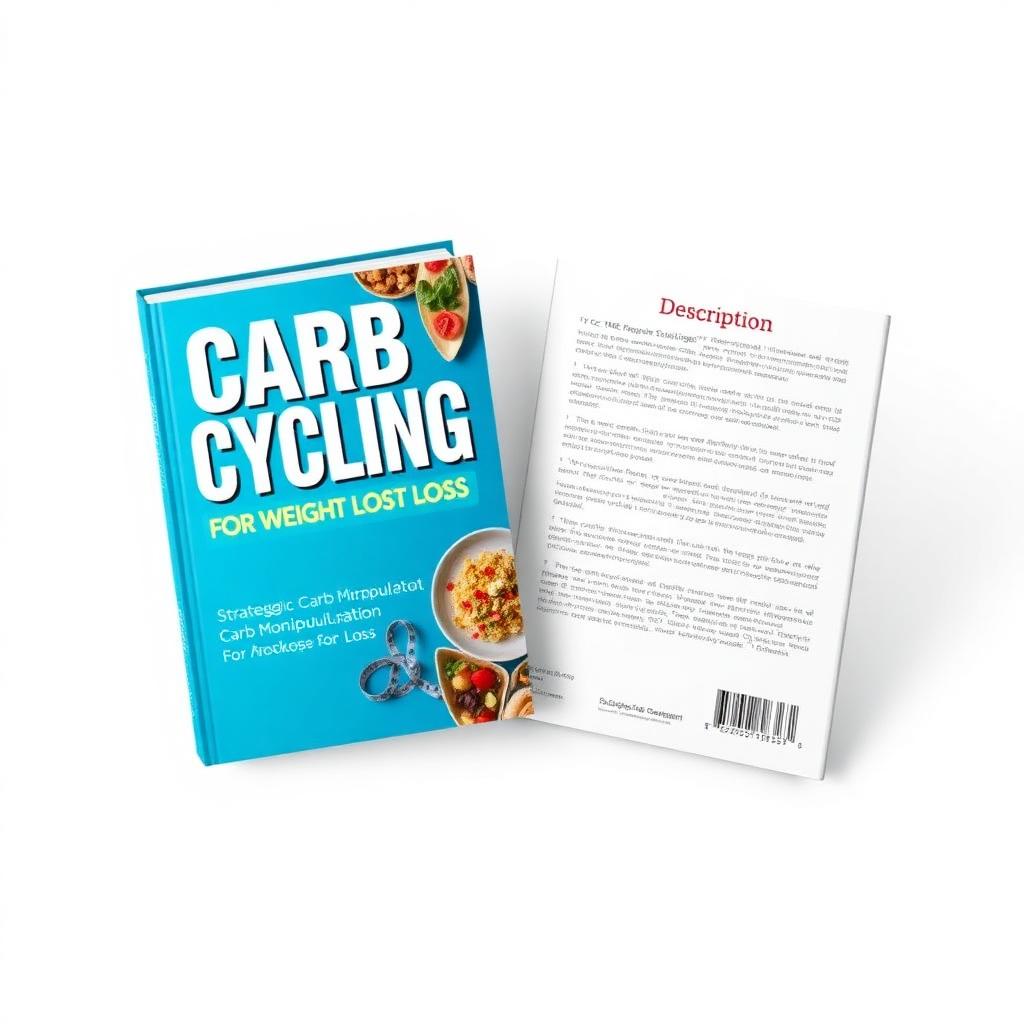
Carb Cycling for Weight Loss
Strategic carb manipulation for fat loss while maintaining muscle mass.
Late-night eating is consistently associated with weight gain, independent of total caloric intake, in both observational studies and controlled trials. The circadian reduction in insulin sensitivity during the evening and night means that carbohydrates and glucose consumed in the evening are cleared from the blood more slowly and are more likely to be stored as fat compared to identical foods consumed in the morning. Additionally, the thermic effect of food is lower in the evening, meaning that fewer calories from a late dinner are burned during digestion compared to an equivalent early meal. Digestive motility is also reduced at night, slowing nutrient absorption and potentially impairing sleep quality through increased gastrointestinal activity during sleep.
A 12-hour eating window — consuming all food between, for example, 7am and 7pm — provides circadian nutrition benefits that extend beyond caloric restriction. Research from the Salk Institute for Biological Studies found that confining eating to a consistent 8 to 12-hour window improved metabolic markers (blood glucose, insulin, cholesterol, blood pressure) in overweight adults without any prescribed caloric restriction. The mechanism involves allowing sufficient fasted periods for circadian-regulated metabolic processes — particularly hepatic fat oxidation and cellular autophagy — to proceed undisturbed by ongoing digestion. Even without strict caloric control, a consistent early eating window produces measurable improvements in weight and metabolic health through circadian alignment.
"Each pound of muscle burns 6 to 10 calories per day at rest. Losing 10 pounds of muscle during dieting reduces daily expenditure by 60 to 100 calories — a metabolic handicap that makes regain inevitable."
We Don't Just Tell You What to Do.
We Tell You Why You Failed Before.
Most people treat health like a math problem — but it's a behavioural problem. Our combined psychology assessment identifies the patterns sabotaging both your diet and fitness progress, then builds one unified plan that works with your real personality.
More likely to succeed. Programs incorporating CBT result in significantly better long-term weight maintenance.
Diet + Fitness combined · Completely free · ~4 minutes

8 diet profiles + 8 fitness profiles — which combination are you?
Meal frequency is less metabolically significant than the popular 'six small meals per day boosts metabolism' myth suggests. A systematic review in the Journal of the American Dietetic Association found no evidence that meal frequency influences basal metabolic rate or weight loss outcomes when total caloric intake is controlled. The thermic effect of food is determined by the total amount and macronutrient composition of food consumed over a day, not by how many eating occasions it is divided into. Two meals and six meals of identical daily composition produce equivalent total thermic effects. However, individual responses to meal frequency vary substantially: some people find that more frequent smaller meals reduce overall intake and cravings, while others find that fewer, larger meals produce greater satiety. Personalizing meal frequency to your hunger patterns and lifestyle is more important than adherence to any universal frequency recommendation.
The most practical chrononutrition recommendations for weight management are: consume your largest, most calorie-dense meal at breakfast or lunch rather than dinner; establish a consistent eating window of 10 to 12 hours that begins reasonably early in the day; avoid eating within two to three hours of your intended bedtime; consume protein at breakfast to reduce carbohydrate cravings throughout the day (a protein-rich morning meal has been shown to reduce evening snacking); and maintain meal timing consistency across weekdays and weekends to support stable circadian rhythm function. These chrononutrition principles can be implemented without calorie counting and complement any dietary pattern for improved weight management outcomes.
Dr. Mike Wilson
Chrononutrition Researcher
Expert contributor at our health & wellness platform, bringing evidence-based insights to help you achieve your nutrition and fitness goals.