
Poor sleep might be sabotaging your diet. Here's the science behind sleep and weight management.
Sleep is the most consistently underestimated factor in weight management — dismissed or minimized in most popular weight loss programs despite compelling scientific evidence of its fundamental importance. Research published in the Annals of Internal Medicine by Nedeltcheva and colleagues conducted one of the most illuminating studies on this topic: participants in a caloric restriction program were randomly assigned to sleep 5.5 or 8.5 hours per night. Both groups lost the same total amount of weight. However, in the 5.5-hour sleep group, 55 percent of weight lost was lean mass (muscle); in the 8.5-hour sleep group, 80 percent of weight lost was fat. This single study demonstrates that inadequate sleep fundamentally alters body composition outcomes during weight loss, even when total weight reduction is identical.
We Don't Just Tell You What to Do.
We Tell You Why You Failed Before.
Most people treat health like a math problem — but it's a behavioural problem. Our combined psychology assessment identifies the patterns sabotaging both your diet and fitness progress, then builds one unified plan that works with your real personality.
More likely to succeed. Programs incorporating CBT result in significantly better long-term weight maintenance.
Diet + Fitness combined · Completely free · ~4 minutes

8 diet profiles + 8 fitness profiles — which combination are you?
The hormonal mechanisms connecting sleep deprivation to weight gain are well-characterized and involve at least four distinct pathways. First, sleep deprivation increases ghrelin (the hunger hormone) by approximately 28 percent while reducing leptin (the satiety hormone) by approximately 18 percent — a hormonal combination that dramatically increases appetite the following day. Research from the University of Chicago found that this hormonal shift increased subjective hunger by 24 percent, with cravings specifically increased for calorie-dense, high-sugar and high-fat foods. Second, sleep restriction elevates cortisol, which promotes visceral fat deposition and impairs insulin sensitivity. Third, sleep deprivation increases activity in the endocannabinoid system — the same neurological system activated by cannabis — amplifying the hedonic (pleasure-driven) desire for palatable foods beyond the impact of hunger hormones alone.
The cognitive effects of sleep deprivation also undermine weight loss efforts through behavioral pathways. Research using functional MRI published in Nature Communications found that sleep-deprived individuals showed significantly greater activation in the amygdala (emotional brain) and reduced connectivity to the prefrontal cortex (rational decision-making brain) when presented with images of high-calorie foods compared to well-rested individuals. This neurological shift means that sleep-deprived people are more likely to make impulsive food choices driven by emotional reward rather than rational dietary intentions, even when they are aware of their dietary goals. A single night of poor sleep demonstrably impairs the dietary decision-making quality of the following day.
"Weight management is fundamentally hormonal, not just caloric. Insulin, leptin, ghrelin, cortisol, and thyroid hormones collectively determine how your body stores and releases fat."
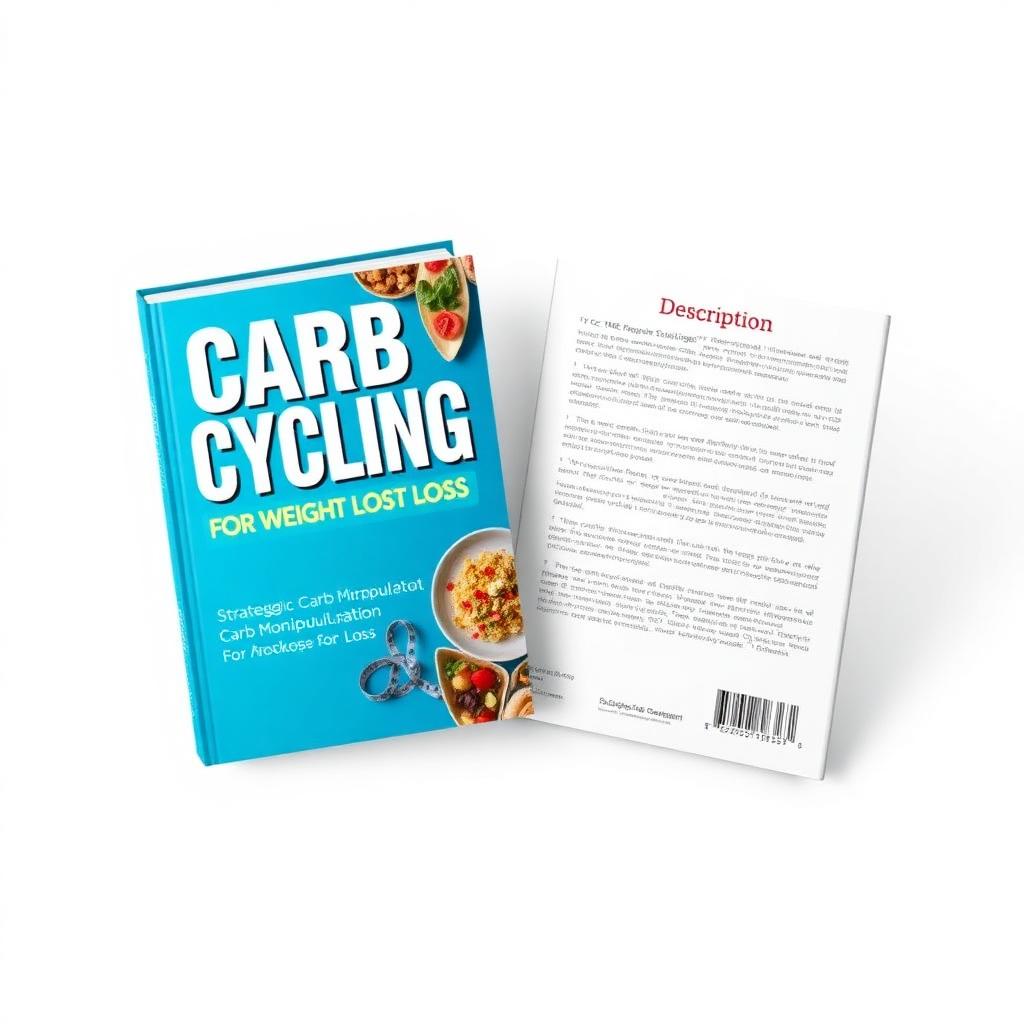
Carb Cycling for Weight Loss
Strategic carb manipulation for fat loss while maintaining muscle mass.
Sleep deprivation reduces fat loss by up to 55 percent even when caloric intake and expenditure are controlled. The mechanism extends beyond hormonal effects to include altered fat cell biology: research from the University of Chicago published in the Annals of Internal Medicine found that sleep restriction directly impaired the ability of fat cells to respond to insulin, creating local insulin resistance in adipose tissue that impaired fat mobilization and increased fat storage efficiency. Sleep-deprived fat cells effectively become more aggressive at storing incoming energy and less willing to release stored fat, creating a metabolic environment profoundly hostile to the goals of caloric restriction.
Scan Any Food. Track Instantly.
No more manual searching or guessing nutritional values. Point your camera at any barcode and get full macro and micro data in under a second — calories, protein, carbs, fat, fibre, sugar, and salt. Every scan auto-logs to your daily food journal, keeping you effortlessly on track.
Products in database. Powered by Open Food Facts — the world's largest open food database. If it has a barcode, we've got it.
Free to use · No credit card required

Practical sleep optimization for weight management involves addressing both sleep duration and sleep quality. For duration, most adults require 7 to 9 hours per night — not as a luxury but as a physiological requirement for hormonal regulation, tissue repair, and metabolic optimization. For quality, key evidence-based interventions include maintaining a consistent sleep-wake schedule seven days per week (maintaining circadian rhythm integrity); keeping the bedroom cool (65–68°F / 18–20°C, as core body temperature must drop to initiate and maintain deep sleep); eliminating light exposure (both natural and artificial blue light from screens, which suppresses melatonin production); and avoiding caffeine after noon or 1pm (caffeine's half-life of 5–6 hours means half of a 3pm coffee is still active at 9pm).
"Leptin resistance — where the brain stops responding to the 'I'm full' signal — is one of the primary drivers of obesity. It's not that people lack willpower; their satiety signaling is broken."
The relationship between sleep and nutrition is bidirectional — not only does poor sleep drive poor eating, but poor dietary choices worsen sleep quality. High-sugar, high-fat diets are associated with reduced slow-wave (deep) sleep and increased nighttime awakenings. Alcohol — despite its reputation as a sleep aid — disrupts REM sleep architecture and is associated with more fragmented, less restorative sleep in the second half of the night. Eating large meals within two to three hours of bedtime is associated with increased gastroesophageal reflux, elevated core body temperature (from digestion), and sleep fragmentation. Conversely, foods rich in tryptophan (turkey, dairy, eggs), magnesium (nuts, seeds, leafy greens), and melatonin (tart cherries) consumed in the evening may modestly improve sleep quality — creating a positive feedback loop between better sleep and better dietary choices.
Dr. Amy Ross
Sleep Researcher
Expert contributor at our health & wellness platform, bringing evidence-based insights to help you achieve your nutrition and fitness goals.