Your breathing pattern directly controls your nervous system state and cognitive performance. Learn four evidence-based protocols.
Breathing is simultaneously the most automatic and the most powerful voluntary lever for changing your physiological and psychological state. Unlike heart rate, blood pressure, or hormone levels — which you cannot directly control — breathing can be consciously modified in real time, and those modifications create cascading changes throughout the nervous system. The vagus nerve, which carries parasympathetic nervous system signals from the brain to the body, is directly modulated by breathing pattern — specifically by the ratio of inhalation to exhalation. This is the mechanism through which deliberate breathwork can move you from sympathetic (fight-or-flight) to parasympathetic (rest-and-digest) nervous system dominance within minutes.
Carbon dioxide (CO2) tolerance is the master variable in breathwork physiology, yet it is rarely discussed in mainstream breathwork instruction. The urge to breathe is not triggered by low oxygen levels — it is triggered by rising CO2. By deliberately managing CO2 through controlled exhalation and breath retention, you can train your respiratory system to become more efficient, tolerate higher CO2 before experiencing discomfort, and maintain cognitive function under stress. This CO2 tolerance training is the underlying mechanism through which the Wim Hof Method, box breathing, and other protocols produce their documented performance and stress-resilience benefits.
We Don't Just Tell You What to Do.
We Tell You Why You Failed Before.
Most people treat health like a math problem — but it's a behavioural problem. Our combined psychology assessment identifies the patterns sabotaging both your diet and fitness progress, then builds one unified plan that works with your real personality.
More likely to succeed. Programs incorporating CBT result in significantly better long-term weight maintenance.
Diet + Fitness combined · Completely free · ~4 minutes

8 diet profiles + 8 fitness profiles — which combination are you?
## Protocol 1: Box Breathing Box breathing (equal-ratio breathing) consists of inhaling for 4 counts, holding for 4 counts, exhaling for 4 counts, and holding for 4 counts before repeating. This equal ratio pattern activates the parasympathetic nervous system through prolonged exhalation, while the breath holds build CO2 tolerance. Research has found box breathing to be effective for acute stress management, and it is the standard pre-performance protocol taught to Navy SEALs and other high-performance military units. For performance applications, use box breathing for 3–5 minutes before high-pressure situations — presentations, competitions, or difficult conversations.
"Breathing is the only autonomic function you can consciously override — and through it, you directly control your heart rate, blood pressure, stress hormones, and cognitive state."
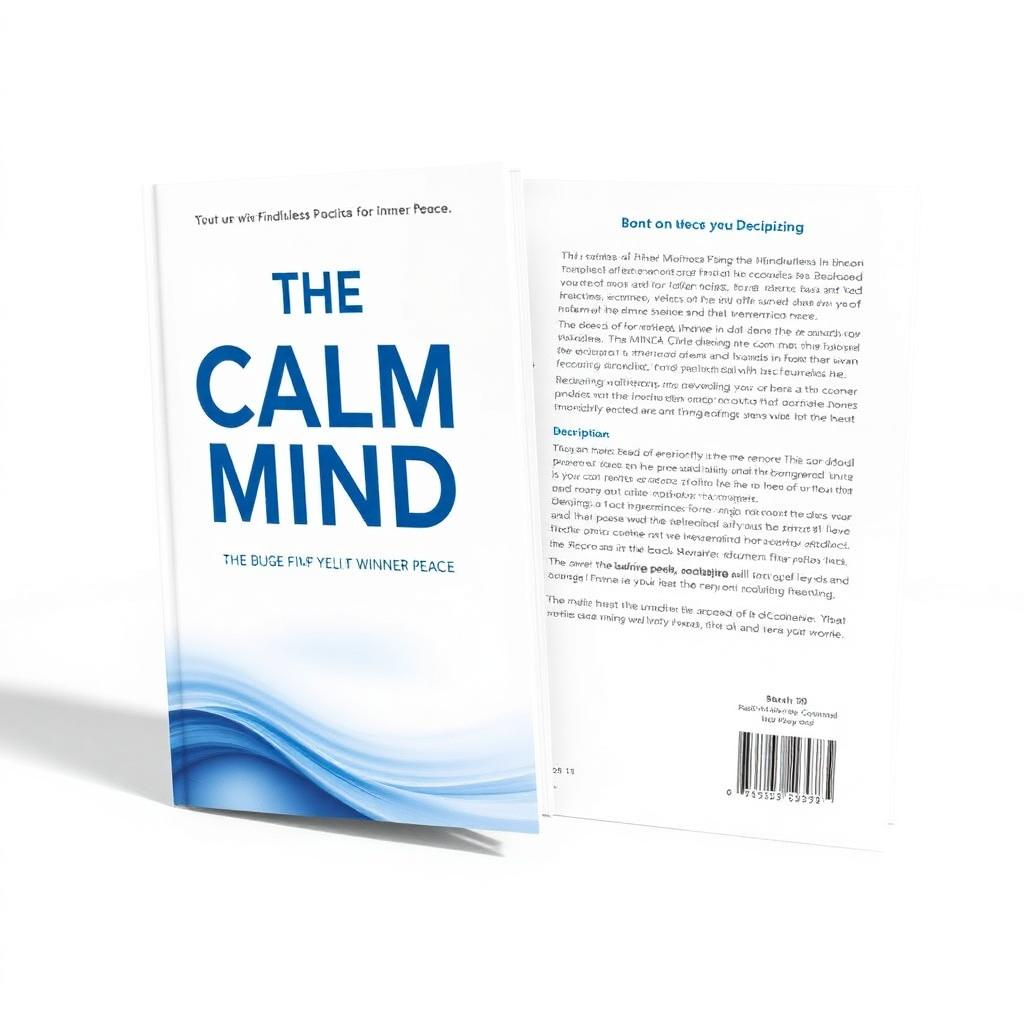
The Calm Mind
Achieve inner peace and mental clarity through mindfulness practices.
## Protocol 2: Wim Hof Method The Wim Hof Method involves 30–40 rapid, deep breathing cycles followed by a breath hold after exhale until the urge to breathe becomes strong, then a full inhale held for 15 seconds. A randomized controlled trial published in PNAS found that trained practitioners of this method could consciously influence their immune response to an endotoxin challenge, showing significantly fewer flu-like symptoms than untrained controls — a remarkable demonstration of voluntary control over a previously considered involuntary physiological system. The mechanism involves the alkalosis created by hyperventilation, which temporarily suppresses the immune response in a controlled, beneficial way.
## Protocol 3: Physiological Sigh The physiological sigh — a double inhale through the nose followed by a long, extended exhale — is the body's fastest mechanism for reducing acute stress and anxiety. Research by Dr. Jack Feldman (UCLA) and Dr. Mark Krasnow (Stanford) identified the neurons in the brainstem responsible for generating this automatic double-inhale. They found it serves to re-inflate collapsed alveoli in the lungs, optimizing oxygen-CO2 exchange. Deliberately performing one to three physiological sighs produces rapid parasympathetic activation and stress reduction — the extended exhale is the critical component, as it lengthens the time between heartbeats and increases heart rate variability.
"The physiological sigh — a double inhale followed by extended exhale — is the fastest known method for reducing acute anxiety. One to three sighs produces measurable parasympathetic activation."
Scan Any Food. Track Instantly.
No more manual searching or guessing nutritional values. Point your camera at any barcode and get full macro and micro data in under a second — calories, protein, carbs, fat, fibre, sugar, and salt. Every scan auto-logs to your daily food journal, keeping you effortlessly on track.
Products in database. Powered by Open Food Facts — the world's largest open food database. If it has a barcode, we've got it.
Free to use · No credit card required

## Protocol 4: Nasal Breathing Nasal breathing is not a separate protocol but a fundamental practice that should replace mouth breathing in all contexts except extreme exertion. The nose filters, warms, and humidifies air; produces nitric oxide (which dilates blood vessels and improves oxygen delivery); and creates approximately 50% more airway resistance than mouth breathing — resistance that strengthens the respiratory muscles and creates healthier negative pressure patterns in the lungs. Research published in the Journal of Oral and Maxillofacial Surgery found that chronic mouth breathing is associated with decreased oxygen saturation, impaired sleep quality, altered facial development in children, and reduced athletic performance.
Combining these four protocols strategically throughout your day creates a comprehensive breathwork practice. Morning Wim Hof sets an energized, alert neurological baseline. Nasal breathing throughout the day maintains optimal CO2 balance and oxygen delivery. Box breathing before high-performance demands creates calm precision. Physiological sighs manage acute stress peaks in real time. This integrated approach costs nothing, requires no equipment, and produces genuinely documented improvements in stress resilience, cognitive performance, immune function, and sleep quality.
Marcus Webb
Performance Coach
Expert contributor at our health & wellness platform, bringing evidence-based insights to help you achieve your nutrition and fitness goals.