Cold therapy activates brown fat, boosts dopamine by 250%, and reduces inflammation. Here's how to start safely.
Cold exposure has moved from the domain of extreme athletes and Scandinavian wellness culture into mainstream performance optimization — and for good reason. The physiological adaptations triggered by deliberate cold exposure are extraordinary in their breadth: increased norepinephrine production, activation of metabolically active brown adipose tissue, reduction of systemic inflammation, accelerated muscle recovery, and a dramatic and sustained boost in dopamine. Research by Dr. Andrew Huberman at Stanford has documented that cold water immersion triggers a dopamine increase of approximately 250 percent — and unlike the sharp spike and crash produced by most pleasurable stimuli, this dopamine elevation is sustained for hours after exposure.
The neuroscience behind cold exposure begins with the sympathetic nervous system response. Immersion in cold water (below 60°F / 15°C) triggers an immediate release of epinephrine (adrenaline) and norepinephrine from the adrenal glands and central nervous system. This norepinephrine surge is the mechanism behind cold exposure's well-documented mood-enhancing effects. A 2022 study published in PLOS ONE found that regular cold water swimming significantly reduced depressive symptoms, with effects persisting between sessions. The mechanism appears to involve norepinephrine's role in regulating the locus coeruleus — the brain's primary norepinephrine center, which governs alertness, attention, and mood.

🧠 You're not hungry, you're bored. Try a 2-min walk.
✅ 340 kcal under target — on track!
🌅 Skipping breakfast causes 3pm crashes. Fuel up!
🍫 Craving chocolate? That's low magnesium. Try almonds.
😤 Stressed? Don't eat — breathe 4-7-8 for 60 seconds.
We Put Your Journey on Autopilot.
Once assessed, our optional notifications act as "Just-in-Time Adaptive Interventions" (JITAI) — a digital therapist in your pocket. Behavioural scientists say lasting change happens when Motivation, Ability, and a Prompt converge at the same moment. Our coach delivers exactly that, learning from your logged meals, moods, and habits to become more accurate over time. Instead of generic reminders, Marcus sends context-aware nudges grounded in CBT — challenging the specific thought patterns that derail your progress, right when they're most likely to strike.
Your Coach Never Sleeps.
Marcus sends intelligent CBT-based push notifications that rewire your decisions in real time — challenging cognitive distortions before the damage is done.
## The Neuroscience of Cold Brown adipose tissue (BAT) — the type of fat that generates heat rather than storing energy — is a key target of cold exposure. Unlike white adipose tissue, brown fat is densely packed with mitochondria and can generate significant heat through a process called thermogenesis. Research published in Cell Metabolism found that regular cold exposure increases both the amount and metabolic activity of brown fat, which in turn improves insulin sensitivity, increases caloric expenditure, and reduces blood glucose levels. People with higher brown fat activation have significantly better metabolic health profiles independent of body weight.
"Cold water immersion triggers a 250% surge in dopamine — the most significant dopamine increase from any non-pharmacological intervention. And unlike a drug, it lasts for hours."
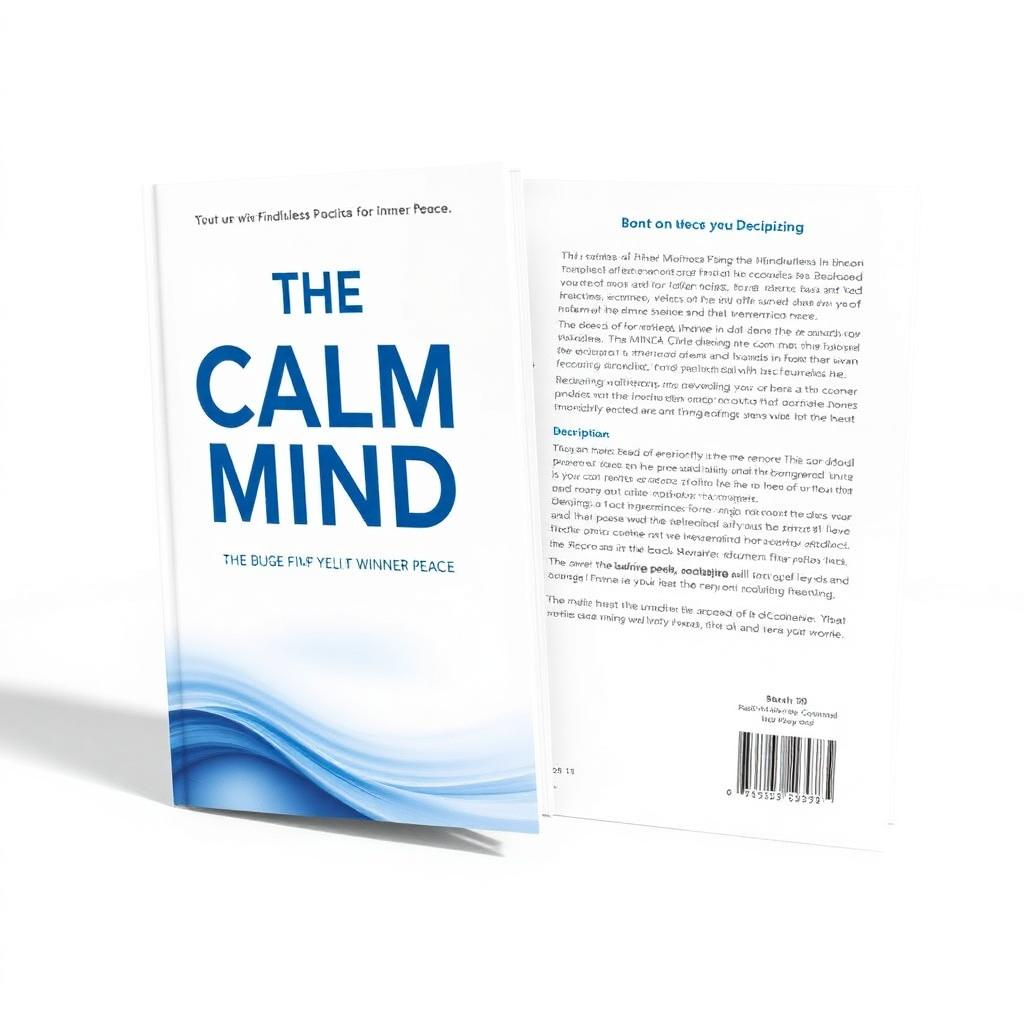
The Calm Mind
Achieve inner peace and mental clarity through mindfulness practices.
## Brown Fat Activation Inflammation reduction is another well-documented benefit. Cold water immersion causes vasoconstriction — narrowing of blood vessels — which reduces the local inflammatory response to tissue stress or injury. Athletes have used ice baths for decades for this reason. A systematic review in the British Journal of Sports Medicine analyzing 17 studies found that post-exercise cold water immersion significantly reduced delayed-onset muscle soreness (DOMS) and perceived fatigue compared to passive recovery. Optimal results were found at water temperatures between 50–60°F (10–15°C) for immersion periods of 10–15 minutes.
## The Beginner Protocol Starting cold exposure safely is critical — particularly for individuals with cardiovascular conditions, Raynaud's disease, or cold hypersensitivity. The beginner protocol starts with contrast showers: spend 2–3 minutes in a warm shower, then switch to the coldest setting your tap provides for 30 seconds. Over two to four weeks, gradually extend the cold portion to two to three minutes. This builds both physical adaptation and psychological tolerance to cold discomfort. The psychological component is genuinely important — research suggests that learning to remain calm during the shock of cold exposure trains the prefrontal cortex to override the amygdala's threat response, a skill that generalizes to stress management in other contexts.
"Brown fat is your metabolic furnace. Cold exposure activates it, converting it from dormant tissue into a calorie-burning, glucose-clearing metabolic asset."
## Advanced: Ice Bath and Cold Plunge For those ready to progress, deliberate cold plunge sessions in water between 39–55°F (4–13°C) for 2–10 minutes provide the full spectrum of benefits. Research by Susanna Søberg published in Cell Metabolism (2021) found that 11 minutes of cold exposure per week — distributed across 2–3 sessions — was sufficient to produce meaningful increases in brown fat activity and metabolic rate. The critical variable is voluntary discomfort: the benefits come specifically from choosing to remain in the cold despite the discomfort signal, not from the cold itself passively acting on you.
Scan Any Food. Track Instantly.
No more manual searching or guessing nutritional values. Point your camera at any barcode and get full macro and micro data in under a second — calories, protein, carbs, fat, fibre, sugar, and salt. Every scan auto-logs to your daily food journal, keeping you effortlessly on track.
Products in database. Powered by Open Food Facts — the world's largest open food database. If it has a barcode, we've got it.
Free to use · No credit card required
Timing cold exposure strategically matters for outcomes. Post-exercise cold immersion within 30–60 minutes attenuates inflammation and accelerates recovery — beneficial for endurance athletes or those training daily. However, when hypertrophy (muscle growth) is the primary goal, cold immersion immediately after resistance training may blunt the inflammatory signaling required for muscle protein synthesis. In this case, delaying cold exposure by 4–6 hours or reserving it for non-training days preserves the anabolic stimulus while still capturing the mood, recovery, and metabolic benefits.
Cold exposure is free, accessible anywhere, and produces a remarkable range of documented physiological benefits. Whether you begin with a 30-second cold shower finish or progress to regular cold plunge sessions, the evidence strongly supports cold exposure as one of the most cost-effective biohacking interventions available — combining neurological, metabolic, and psychological benefits in a single practice.
Dr. Alex Frost
Performance Scientist
Expert contributor at our health & wellness platform, bringing evidence-based insights to help you achieve your nutrition and fitness goals.