Forget expensive supplements. These everyday foods contain powerful nootropic compounds that genuinely improve cognition.
The nootropic supplement industry generates over $6 billion annually by marketing pills, powders, and proprietary blends as 'cognitive enhancers.' Much of this industry is built on cherry-picked research, underdosed active ingredients, and aggressive marketing rather than robust clinical evidence. The irony is that among the most powerfully documented cognitive-enhancing compounds in the scientific literature are foods available in any grocery store — foods that have been optimizing human brain function for millennia. Understanding which foods genuinely support cognition, and why, is one of the most practical applications of nutritional neuroscience.
Lion's Mane mushroom (Hericium erinaceus) stands alone among foods for its documented ability to stimulate Nerve Growth Factor (NGF) — a protein essential for the growth, maintenance, and repair of neurons. A randomized, double-blind, placebo-controlled trial published in Phytotherapy Research found that adults aged 50–80 with mild cognitive impairment who consumed Lion's Mane daily for 16 weeks showed significantly improved cognitive function scores compared to placebo, with benefits disappearing after supplementation stopped. The active compounds — hericenones and erinacines — are small enough to cross the blood-brain barrier and directly stimulate NGF synthesis in brain tissue.
Scan Any Food. Track Instantly.
No more manual searching or guessing nutritional values. Point your camera at any barcode and get full macro and micro data in under a second — calories, protein, carbs, fat, fibre, sugar, and salt. Every scan auto-logs to your daily food journal, keeping you effortlessly on track.
Products in database. Powered by Open Food Facts — the world's largest open food database. If it has a barcode, we've got it.
Free to use · No credit card required

## Lion's Mane Mushroom: The Nerve Growth Factor Dark chocolate (70% cacao or higher) is among the most evidence-supported cognitive-enhancing foods available. Cacao flavonoids — particularly epicatechin — stimulate the production of BDNF (Brain-Derived Neurotrophic Factor), which promotes neuroplasticity, the formation of new neural connections, and the survival of existing neurons. Research published in Nature Neuroscience demonstrated that flavanol-rich cocoa improved hippocampal function and memory performance in older adults. A separate study found that consuming high-flavanol cocoa improved cognitive performance and cerebral blood flow in young adults performing demanding mental tasks.
"The most powerful cognitive enhancers aren't in expensive supplement stacks — they're in your refrigerator. Whole foods have been optimizing human brains for 200,000 years."

The Calm Mind
Achieve inner peace and mental clarity through mindfulness practices.
## Dark Chocolate and Cognitive Flow Eggs are one of the richest dietary sources of choline — a nutrient that approximately 90% of Americans consume in insufficient quantities. Choline is the precursor to acetylcholine, the primary neurotransmitter involved in memory encoding, attention, and the rapid transmission of signals between neurons. Research published in the American Journal of Clinical Nutrition found that higher choline intake was associated with better cognitive performance across multiple domains including verbal memory, visual memory, and processing speed. One large egg yolk contains approximately 150mg of choline — about 27% of the daily recommended intake.
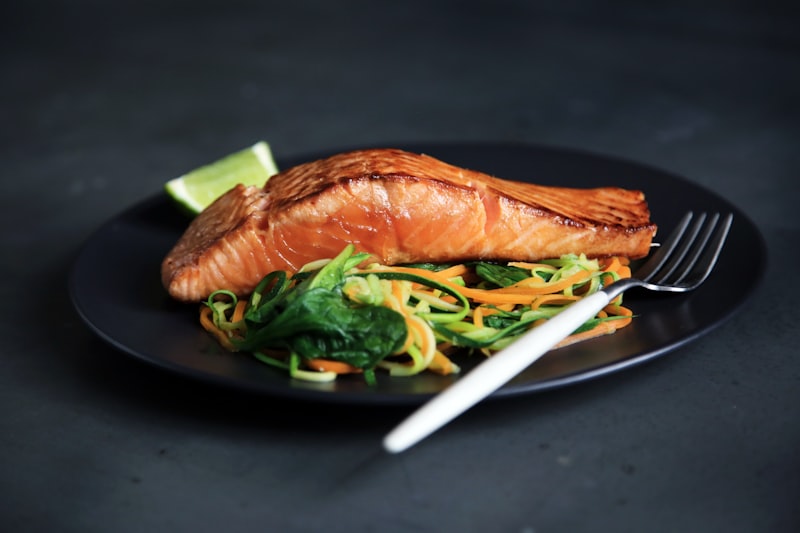
## Eggs: The Choline Powerhouse Fatty fish — particularly wild-caught salmon, sardines, mackerel, and anchovies — are the pre-eminent dietary sources of DHA (docosahexaenoic acid), an omega-3 fatty acid that constitutes approximately 40% of the polyunsaturated fatty acids in the brain. DHA is structurally essential for maintaining fluid, functional neural membranes. Low DHA status is consistently associated with cognitive decline, depression, and ADHD. Research published in JAMA Network Open found that higher omega-3 blood levels were associated with larger brain volume, better white matter integrity, and significantly lower risk of dementia. The brain cannot efficiently synthesize DHA from plant-based ALA precursors — direct dietary DHA from fatty fish or algae is essential.
"Lion's Mane mushroom is the only food compound clinically shown to stimulate Nerve Growth Factor — the protein that literally builds and repairs your neural circuitry."
## Fatty Fish and BDNF Blueberries contain one of the highest concentrations of flavonoids among fruits, particularly anthocyanins that cross the blood-brain barrier and directly interact with neural tissue. Research from the University of Cincinnati found that daily blueberry consumption improved memory function in older adults with mild cognitive impairment. The mechanisms include reduced neuroinflammation, improved cerebral blood flow, enhanced BDNF production, and direct antioxidant protection of neural membranes. Frozen blueberries retain the same anthocyanin content as fresh and are significantly more affordable for daily consumption.
Predict How Food Affects Your Body
Before You Eat.
Log glucose readings, energy levels, and sleep quality to build your personal metabolic fingerprint. Our platform then predicts the glucose spike, energy impact, and metabolic score of any meal before you eat it — and suggests real-time tweaks like 'add avocado to blunt the glucose spike' right on the meal card.
Smarter than calorie counting. Two meals with identical calories can have wildly different effects on your energy, cravings, and fat storage. Metabolic Intelligence reveals the difference.
Free to use · No credit card required
Green tea is uniquely positioned among caffeinated beverages because it contains both caffeine and L-theanine — an amino acid that crosses the blood-brain barrier and promotes alpha brain wave activity associated with relaxed alertness. Research published in Nutritional Neuroscience found that the combination of caffeine and L-theanine produced better improvements in cognitive performance, attention, and mood than caffeine alone. Unlike coffee, green tea provides a smoother, more sustained cognitive boost without the anxiety and jitteriness that caffeine alone can produce in sensitive individuals.
Food-based nootropics are systematically undervalued relative to supplement alternatives. They provide active compounds in the ratios and cofactor environments that evolution designed for absorption and utilization, without the quality control issues, underdosing, and safety uncertainties that characterize much of the supplement industry. Building a diet rich in fatty fish, eggs, dark chocolate, Lion's Mane, blueberries, and green tea is among the most evidence-based and cost-effective cognitive enhancement strategies available.
Dr. Alex Frost
Performance Scientist
Expert contributor at our health & wellness platform, bringing evidence-based insights to help you achieve your nutrition and fitness goals.