Fuel your workouts with these delicious and protein-packed snack ideas that keep your muscles growing.
Whether you're hitting the gym, going for a run, or maintaining an active lifestyle, strategic snacking can meaningfully support your performance and recovery goals. Research published in the Journal of the International Society of Sports Nutrition confirms that distributing protein intake evenly across the day — including through snacks — optimizes muscle protein synthesis compared to consuming all protein in two or three large meals. Aim for 15 to 30 grams of protein per snack, paired with some fiber or healthy fat for sustained energy. Here are five high-protein snack options backed by nutritional science.
Greek yogurt with mixed berries and a drizzle of honey is one of the most nutritionally complete high-protein snacks available. A typical serving of plain Greek yogurt provides 17 to 20 grams of protein, primarily from casein — a slow-digesting protein ideal for sustained amino acid release. Greek yogurt also delivers calcium for bone health, probiotics for gut health, and potassium for electrolyte balance. Research in the American Journal of Clinical Nutrition found that whey and casein proteins (both present in dairy) produce superior muscle protein synthesis compared to soy protein when consumed post-exercise. Adding berries provides anthocyanin antioxidants that research shows reduce exercise-induced muscle damage and accelerate recovery.
We Don't Just Tell You What to Do.
We Tell You Why You Failed Before.
Most people treat health like a math problem — but it's a behavioural problem. Our combined psychology assessment identifies the patterns sabotaging both your diet and fitness progress, then builds one unified plan that works with your real personality.
More likely to succeed. Programs incorporating CBT result in significantly better long-term weight maintenance.
Diet + Fitness combined · Completely free · ~4 minutes

8 diet profiles + 8 fitness profiles — which combination are you?
Hard-boiled eggs are the ultimate portable, affordable, high-quality protein source. Each large egg provides 6 grams of complete protein containing all nine essential amino acids in near-ideal ratios. The yolk provides roughly half the protein along with choline (critical for cognitive function), vitamin D, B vitamins, and healthy fats that improve the absorption of fat-soluble nutrients. A study published in the American Journal of Clinical Nutrition found that whole eggs — yolk included — produced greater muscle protein synthesis after resistance exercise compared to egg whites alone, suggesting that the nutrients in the yolk enhance the protein's anabolic effect. Prepare a batch of six to eight hard-boiled eggs on Sunday and you have a week's worth of convenient protein-rich snacks.
"Distributing protein evenly across the day — including through snacks — optimizes muscle protein synthesis more effectively than concentrating all protein in two or three large meals."
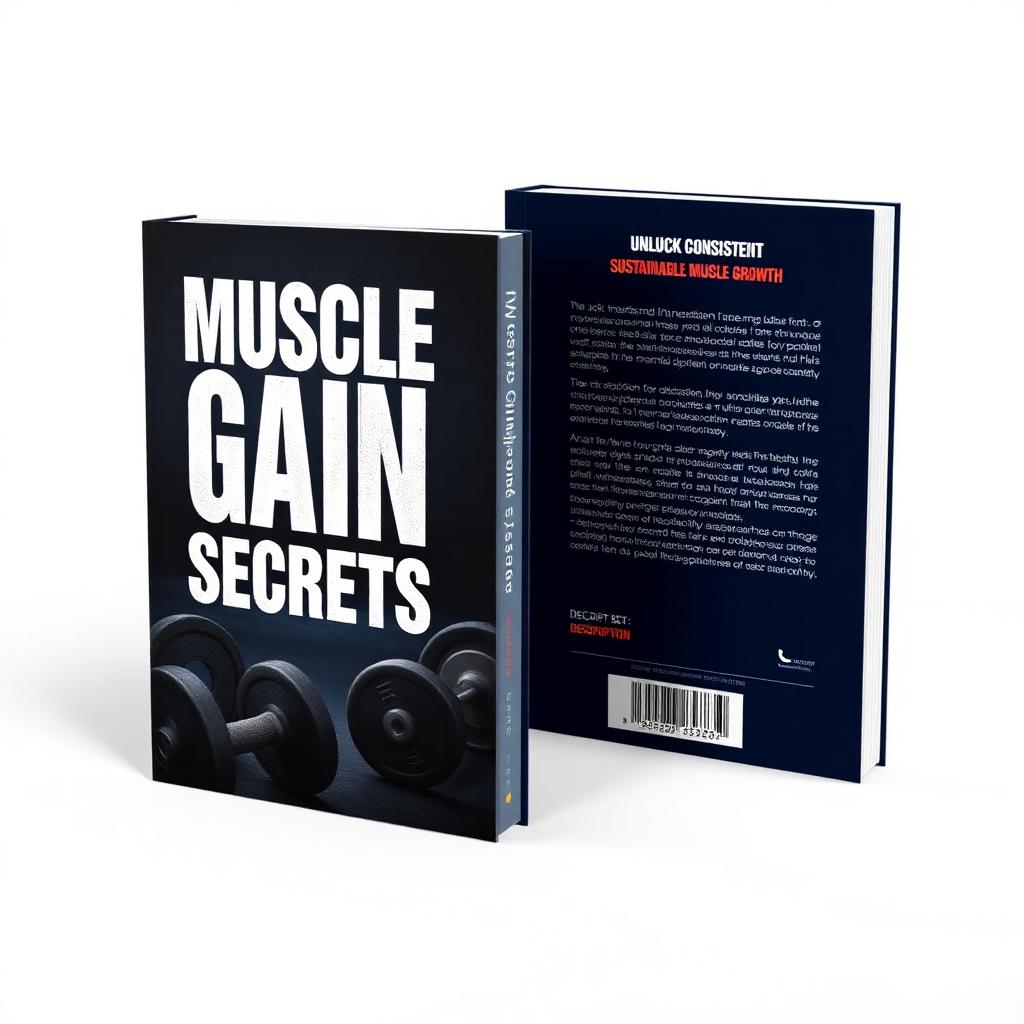
Muscle Gain Secrets
Unlock the secrets to consistent, sustainable muscle growth.
Cottage cheese with fruit is nutritionally underrated among high-protein foods. A half-cup serving of low-fat cottage cheese provides approximately 14 grams of protein, predominantly casein — making it particularly valuable as an evening snack when slow-digesting protein can support overnight muscle repair. A study published in the British Journal of Nutrition found that consuming 40 grams of casein protein before sleep significantly increased muscle protein synthesis overnight and improved next-day recovery from exercise. Pairing cottage cheese with pineapple provides additional bromelain enzymes that may reduce muscle inflammation, while pairing it with berries or peaches adds fiber, vitamins, and natural sweetness.
A small handful of mixed nuts and seeds — approximately one ounce — provides a balanced combination of plant protein (5 to 7 grams), heart-healthy fats, fiber, and essential minerals. Almonds are particularly rich in vitamin E (an antioxidant that protects muscle cell membranes from exercise-induced oxidative damage), magnesium (critical for muscle function and energy production), and calcium. Pumpkin seeds are one of the richest food sources of zinc, which plays a central role in testosterone production and immune function. Walnuts contribute ALA omega-3 fatty acids with anti-inflammatory properties. Research from the Harvard School of Public Health found that daily nut consumption was associated with reduced cardiovascular disease risk and better body weight management over 20 years of follow-up.
"Whole eggs — yolk included — produce greater muscle protein synthesis than egg whites alone. The nutrients in the yolk actively enhance the protein's anabolic effect. Don't discard the yolk."

🧠 You're not hungry, you're bored. Try a 2-min walk.
✅ 340 kcal under target — on track!
🌅 Skipping breakfast causes 3pm crashes. Fuel up!
🍫 Craving chocolate? That's low magnesium. Try almonds.
😤 Stressed? Don't eat — breathe 4-7-8 for 60 seconds.
We Put Your Journey on Autopilot.
Once assessed, our optional notifications act as "Just-in-Time Adaptive Interventions" (JITAI) — a digital therapist in your pocket. Behavioural scientists say lasting change happens when Motivation, Ability, and a Prompt converge at the same moment. Our coach delivers exactly that, learning from your logged meals, moods, and habits to become more accurate over time. Instead of generic reminders, Marcus sends context-aware nudges grounded in CBT — challenging the specific thought patterns that derail your progress, right when they're most likely to strike.
Your Coach Never Sleeps.
Marcus sends intelligent CBT-based push notifications that rewire your decisions in real time — challenging cognitive distortions before the damage is done.
Protein smoothies provide a flexible, customizable, rapidly absorbed protein source that can be tailored to specific training goals. A base of whey protein (20–25g protein, highest leucine content of any protein source) or plant-based protein blend (pea + rice combination for complete amino acids), combined with milk or plant milk, frozen fruit, and optional additions like spinach, nut butter, or chia seeds, creates a nutritionally dense, convenient post-workout or between-meal snack. Research from McMaster University found that whey protein's high leucine content (approximately 2.5g per 25g serving) is particularly effective at stimulating muscle protein synthesis — leucine appears to serve as a metabolic trigger that activates the mTOR pathway responsible for initiating muscle growth and repair.
Timing protein snacks strategically around training maximizes their effectiveness. Consuming 15 to 25 grams of protein within one to three hours before exercise can reduce muscle breakdown during the workout. A post-exercise protein snack consumed within two to three hours of training (though the exact window is wider than previously believed) maximizes the training-induced increase in muscle protein synthesis. For overall body composition and recovery, distributing protein across four to five eating occasions throughout the day — including snacks — produces better outcomes than consuming the same total protein in just two or three meals.
Jake Wilson
Sports Nutritionist
Expert contributor at our health & wellness platform, bringing evidence-based insights to help you achieve your nutrition and fitness goals.