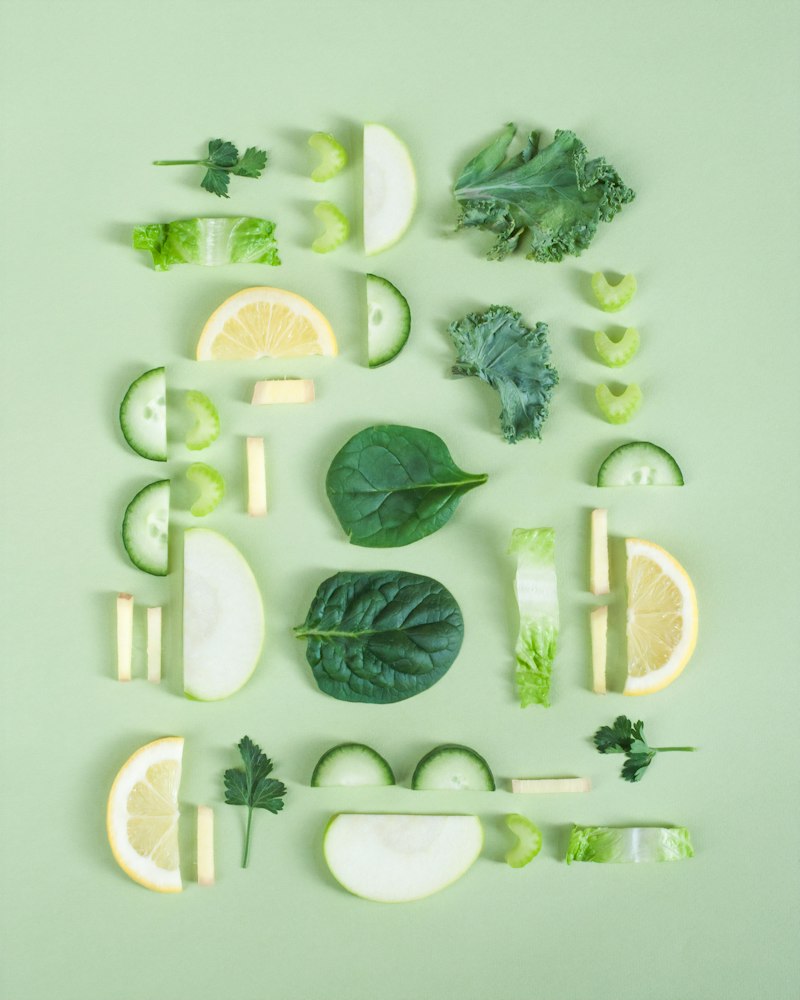
Maximize your workout performance with the right pre-exercise nutrition timing and food choices.
Pre-workout nutrition is one of the most researched areas of sports nutrition, and the evidence reveals clear principles that can meaningfully improve your exercise performance, training volume, and subsequent recovery. What you eat before training affects your energy availability, muscle glycogen stores, blood amino acid levels, body temperature regulation, and even your psychological readiness to train. Whether you are a recreational gym-goer or a competitive athlete, optimizing your pre-workout nutrition is one of the simplest performance upgrades available.
Timing is the first critical variable. The optimal pre-workout meal should be consumed approximately one to three hours before training for a larger mixed meal (400–600 calories), or 30 to 60 minutes before training for a smaller, easily digestible snack. Eating too close to exercise with a large meal can cause gastrointestinal distress (a condition sometimes called 'runner's stomach'), redirect blood flow from working muscles to the digestive system, and impair performance. Eating too far in advance (more than four hours) allows muscle glycogen to be partially depleted without replenishment before training. The one-to-three-hour window provides sufficient time for digestion and nutrient delivery to working muscles.

🧠 You're not hungry, you're bored. Try a 2-min walk.
✅ 340 kcal under target — on track!
🌅 Skipping breakfast causes 3pm crashes. Fuel up!
🍫 Craving chocolate? That's low magnesium. Try almonds.
😤 Stressed? Don't eat — breathe 4-7-8 for 60 seconds.
We Put Your Journey on Autopilot.
Once assessed, our optional notifications act as "Just-in-Time Adaptive Interventions" (JITAI) — a digital therapist in your pocket. Behavioural scientists say lasting change happens when Motivation, Ability, and a Prompt converge at the same moment. Our coach delivers exactly that, learning from your logged meals, moods, and habits to become more accurate over time. Instead of generic reminders, Marcus sends context-aware nudges grounded in CBT — challenging the specific thought patterns that derail your progress, right when they're most likely to strike.
Your Coach Never Sleeps.
Marcus sends intelligent CBT-based push notifications that rewire your decisions in real time — challenging cognitive distortions before the damage is done.
Carbohydrates are the most critical macronutrient for exercise performance because they are the primary fuel for moderate to high-intensity exercise. During exercise above approximately 65 percent of VO2 max, glycolysis — the breakdown of glucose from blood glucose or muscle glycogen — becomes the dominant energy-producing pathway. When glycogen stores are depleted, performance deteriorates rapidly in a phenomenon known as 'bonking' or 'hitting the wall.' Research published in the Journal of Applied Physiology found that pre-exercise carbohydrate consumption improved endurance performance by 11 to 15 percent compared to fasted exercise. Pre-workout carbohydrate sources should be relatively low in fiber to minimize gastrointestinal distress: oatmeal, banana, white rice, sweet potato, whole grain toast, or sports drinks are appropriate choices.
"Pre-exercise carbohydrate consumption improves endurance performance by 11–15% compared to fasted training. Glycogen is your primary performance fuel — don't train on empty."
Protein consumed before exercise has been shown in multiple studies to increase muscle protein synthesis during and after training. Research by Tipton and colleagues found that consuming 20 to 40 grams of protein before resistance exercise significantly increased net muscle protein balance. The mechanism is partly mechanical — pre-exercise protein raises blood amino acid concentrations during training, making building blocks immediately available when exercise stimulates mTOR signaling. Protein also attenuates muscle breakdown during prolonged endurance exercise, where catabolism of muscle protein for energy becomes meaningful. A pre-workout meal containing 20 to 30 grams of easily digestible protein — eggs, Greek yogurt, lean chicken, fish, or a whey protein shake — provides these benefits.
Fats and fiber should be minimized immediately before training. Both nutrients slow gastric emptying, meaning food remains in the stomach longer during exercise, increasing the likelihood of nausea, cramping, and gastrointestinal discomfort. The classic 'avoid high-fat meals within two hours of training' recommendation is supported by research showing that high-fat pre-exercise meals impair performance in events lasting less than 90 minutes by slowing glucose availability relative to exercise demand. If your last meal before training is two to three hours out, moderate fat inclusion (15–20g) is acceptable. If you're eating 30 to 60 minutes before training, minimize fat to reduce any gastric distress risk.
"What you eat before training affects your energy, muscle protection, cognitive focus, and even your psychological readiness. Pre-workout nutrition is one of the simplest performance upgrades available."
Scan Any Food. Track Instantly.
No more manual searching or guessing nutritional values. Point your camera at any barcode and get full macro and micro data in under a second — calories, protein, carbs, fat, fibre, sugar, and salt. Every scan auto-logs to your daily food journal, keeping you effortlessly on track.
Products in database. Powered by Open Food Facts — the world's largest open food database. If it has a barcode, we've got it.
Free to use · No credit card required
Hydration beginning before exercise is critical because even mild dehydration — just 1 to 2 percent body weight fluid loss — impairs endurance performance, reduces strength, slows reaction time, and increases perceived effort during exercise. The American College of Sports Medicine recommends consuming 5 to 7 milliliters of fluid per kilogram of body weight approximately four hours before exercise, and an additional 3 to 5 milliliters per kilogram two hours before exercise if urine output is minimal or dark. For most people, drinking 400 to 600 milliliters of water (approximately two cups) in the hour before training provides adequate pre-exercise hydration. Including a small amount of sodium in pre-workout meals — whether from food or electrolyte additions — helps retain the consumed fluid.
An ideal pre-workout meal example for someone training in the early afternoon: two to three hours before training, have two to three scrambled eggs with whole grain toast and a banana (providing approximately 35g protein, 60g carbohydrates, 15g fat). Thirty minutes before training, if needed, have a banana or rice cake for quick carbohydrate availability. This combination provides amino acids for muscle protection, glycogen replenishment, sustained energy from complex carbohydrates, and essential nutrients. For early morning training when eating a full meal is impractical, a small fast-digesting option — a banana with a scoop of protein powder mixed in milk, or a cup of Greek yogurt with honey — consumed 20 to 30 minutes before training provides meaningful performance benefits over completely fasted training.
Coach Amy
Certified Personal Trainer
Expert contributor at our health & wellness platform, bringing evidence-based insights to help you achieve your nutrition and fitness goals.