High-intensity interval training demands specific nutritional strategies.
High-Intensity Interval Training (HIIT) — alternating short periods of maximum or near-maximum effort with brief recovery periods — has risen to popularity because it delivers impressive cardiovascular and metabolic improvements in significantly less time than traditional steady-state exercise. Research from McMaster University found that six sessions of HIIT over two weeks produced similar improvements in aerobic capacity and skeletal muscle oxidative capacity as six weeks of endurance training with fourteen times more total exercise volume. However, HIIT's unique physiological demands require specific nutritional considerations distinct from those of steady-state cardio or resistance training.
Scan Any Food. Track Instantly.
No more manual searching or guessing nutritional values. Point your camera at any barcode and get full macro and micro data in under a second — calories, protein, carbs, fat, fibre, sugar, and salt. Every scan auto-logs to your daily food journal, keeping you effortlessly on track.
Products in database. Powered by Open Food Facts — the world's largest open food database. If it has a barcode, we've got it.
Free to use · No credit card required

HIIT relies predominantly on the phosphagen system (for efforts lasting under 10 seconds) and the glycolytic system (for efforts lasting 10 to 120 seconds) — both anaerobic energy pathways that depend on carbohydrates. Unlike low-intensity exercise that can use fat as a primary fuel, HIIT's high intensity demands rapid ATP resynthesis that only glycolysis can provide at adequate rates. This means that carbohydrate availability — both blood glucose and muscle glycogen — directly limits HIIT performance. Research published in the Journal of Sports Science and Medicine found that participants performing HIIT in a fasted or low-glycogen state completed fewer total intervals and at lower intensities compared to those with well-replenished glycogen stores.
Pre-HIIT nutrition should prioritize fast-digesting carbohydrates consumed one to two hours before training. Unlike pre-strength training or pre-endurance nutrition, where slow-digesting foods are generally preferred, the anaerobic nature of HIIT benefits from readily available glucose. A banana, white rice, dates, sports drink, or white toast with a small amount of jam provides quickly accessible carbohydrate without the gastric discomfort risk of high-fiber or high-fat foods during high-intensity effort. Including a moderate amount of protein (15–25g) in the pre-HIIT meal also helps preserve muscle tissue during the catecholamine-elevated, muscle-damaging environment of intense intervals.
"Moderate exercise enhances immune function, but extreme training temporarily suppresses it. The relationship between exercise and immunity follows a J-shaped curve — more isn't always better."
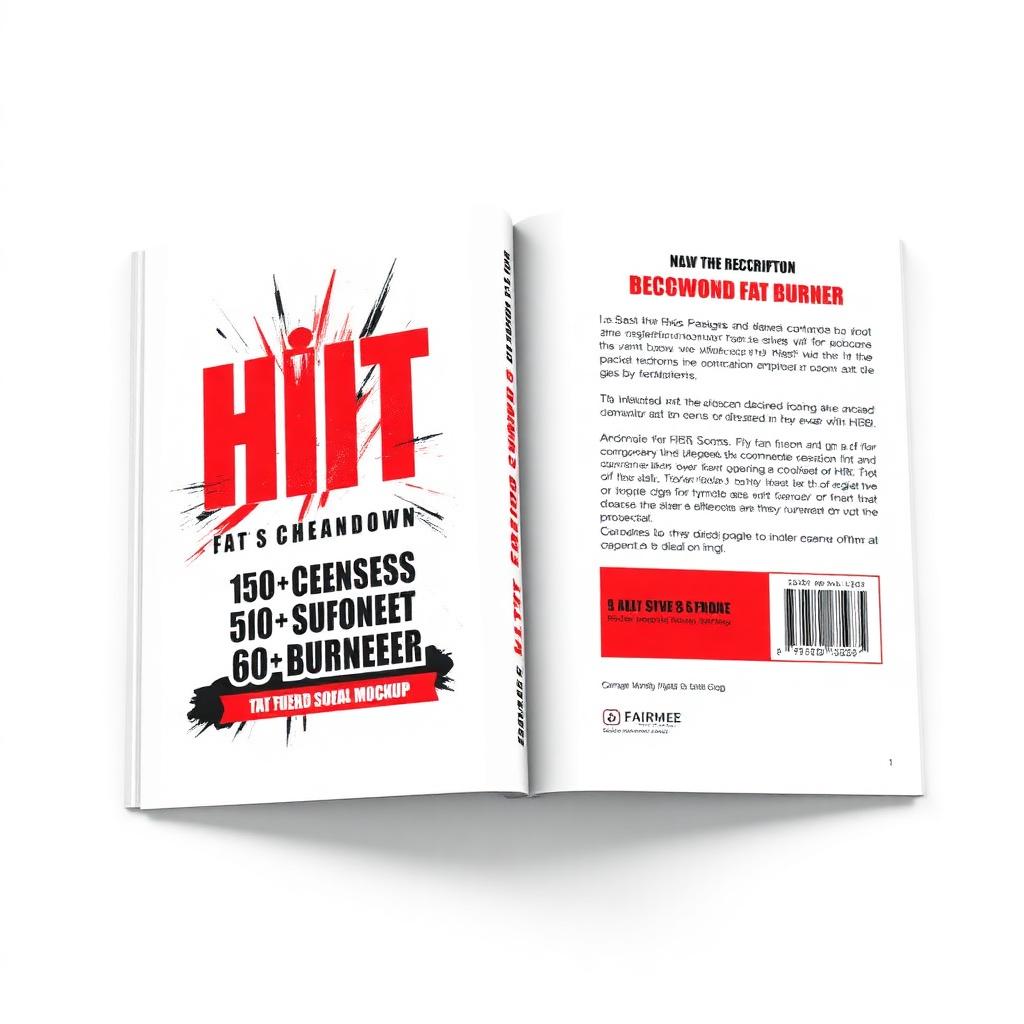
HIIT: The 60 Second Fat Burner
Burn maximum fat with ultra-efficient 60-second HIIT intervals.
Post-HIIT nutrition is critical because HIIT creates a powerful metabolic disturbance that persists for 24 to 72 hours following the session. HIIT generates significant EPOC (Excess Post-exercise Oxygen Consumption) — the 'afterburn effect' — representing the elevated metabolic rate during recovery from oxygen debt and cellular repair. Research shows that a vigorous 30-minute HIIT session can increase metabolism by 6 to 15 percent for 24 to 48 hours post-exercise. To support this recovery and maximize adaptation, consume a mixed post-workout meal containing 25 to 40 grams of protein and 40 to 80 grams of carbohydrates within one to three hours after training. Chocolate milk (4:1 carbohydrate-to-protein ratio) is one of the most research-validated and economical recovery options.
Eat the Right Meal for Your Exact Workout.
Add multiple exercises to your upcoming session, set individual durations, and get blended fuel recommendations with metabolic scores. The AI maps each exercise type to ideal macro ratios and timing, then filters hundreds of meals for the best matches — so you perform at your peak without guesswork.
Train harder. Recover faster. The AI calculates the ideal carb-to-protein ratio and timing window so you fuel up properly and recover faster after every session.
Free to use · No credit card required
EPOC should not be confused with unlimited license to overeat after HIIT sessions. A common mistake made by people using HIIT for fat loss is dramatically increasing caloric intake following sessions because they feel intensely hungry. Research published in the International Journal of Obesity found that exercise-induced energy expenditure was often partially or fully compensated by increased caloric intake when participants ate ad libitum (unrestricted) following HIIT sessions. The most effective HIIT nutrition strategy for fat loss is to plan post-workout meals in advance rather than allowing exercise-amplified hunger to drive impulsive food choices.
"A single bout of moderate exercise mobilises billions of immune cells into the bloodstream. This enhanced immune surveillance is one reason regular exercisers get fewer infections."
Electrolyte replacement is particularly important for HIIT because high-intensity exercise produces dramatically more sweat per unit time than steady-state exercise at equivalent duration. Research shows that HIIT can generate sweat rates of 1 to 2.5 liters per hour — among the highest sweat production rates of any exercise modality. Sodium, potassium, and magnesium lost in sweat must be replenished to support muscle function, nerve conduction, and fluid balance during recovery. For HIIT sessions lasting less than 45 minutes, water is generally adequate. For longer or back-to-back sessions in hot environments, electrolyte drinks or foods high in sodium and potassium become important recovery considerations.
Jake Wilson
HIIT Specialist
Expert contributor at our health & wellness platform, bringing evidence-based insights to help you achieve your nutrition and fitness goals.