Master these 5 batch cooking methods for proteins that stay moist and flavorful all week.
Protein is the foundation of every effective meal prep. It's the most satiating macronutrient, the most critical for muscle preservation and recovery, and the most time-consuming to cook correctly. Batch cooking protein — preparing large quantities in a single session using methods that maximize flavor and preserve moisture over multiple days — is the single most impactful skill in the meal prepper's toolkit.
The most common protein batch cooking failure is dry, flavorless meat by day three. This happens because most people apply weeknight cooking techniques — high heat, short time — to batch cooking, which demands different approaches. The methods below are specifically optimized for proteins that maintain moisture, texture, and palatability for four to five days refrigerated.
## Method 1: Sheet Pan Chicken Thighs
"Dry, flavorless protein by Wednesday is the number one reason meal prep fails. The method you use to cook matters as much as the quality of the ingredient."
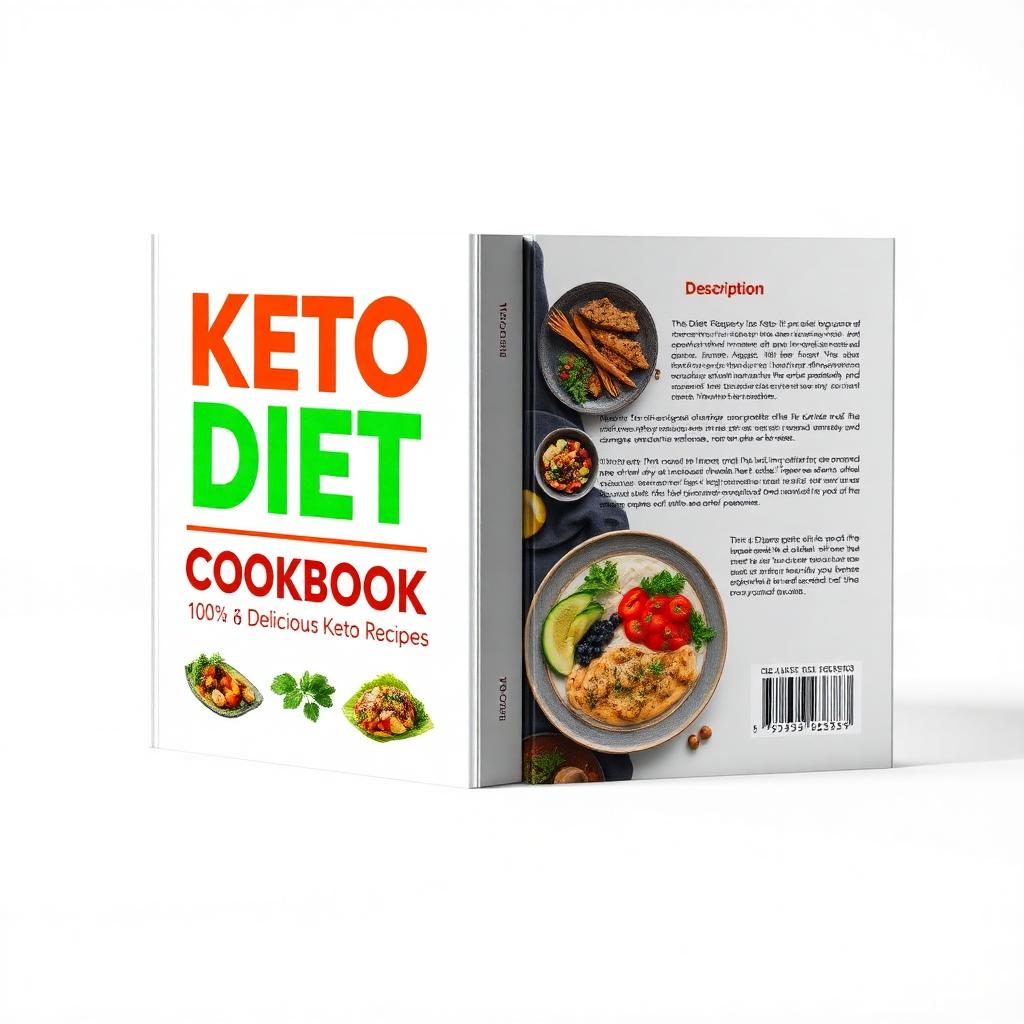
Keto Diet Cookbook
Delicious keto recipes for every meal of the day.
Scan Any Food. Track Instantly.
No more manual searching or guessing nutritional values. Point your camera at any barcode and get full macro and micro data in under a second — calories, protein, carbs, fat, fibre, sugar, and salt. Every scan auto-logs to your daily food journal, keeping you effortlessly on track.
Products in database. Powered by Open Food Facts — the world's largest open food database. If it has a barcode, we've got it.
Free to use · No credit card required

Chicken thighs are the undisputed king of meal prep proteins. Unlike breasts, they contain more fat and connective tissue, making them dramatically more forgiving of slight overcooking and significantly more flavorful after several days in the refrigerator. The sheet pan method produces perfectly roasted thighs in 35 minutes with virtually no active cooking time. Season generously — more than you think necessary, as refrigeration mutes flavors — with a base of salt, pepper, garlic powder, and paprika, then add a flavor-specific spice profile (za'atar and lemon zest for Mediterranean, cumin and chili powder for Mexican, five-spice and soy for Asian). Roast bone-in, skin-on thighs at 425°F for 35 to 40 minutes until skin is crispy and internal temperature reaches 165°F. The skin, while calorie-dense, acts as a moisture barrier during storage — remove before eating if preferred, but keep it on during the week's storage.
## Method 2: Slow Cooker Pulled Protein
"Chicken thighs are the meal prepper's best friend — more forgiving than breasts, more flavorful, more affordable, and they stay moist for 5 days in the fridge."
The slow cooker is the most hands-off protein batch cooking method and produces the most versatile results. Shredded proteins — pulled chicken, pulled pork, pulled beef — work in tacos, bowls, sandwiches, omelets, soups, and salads. The key to excellent slow cooker protein is adequate liquid and aromatics. For pulled chicken, use 6 chicken breasts or thighs with 1 cup chicken broth, one diced onion, 4 garlic cloves, and your seasoning profile. Cook on low for 6 to 8 hours or high for 3 to 4 hours. The result is fork-tender protein that shreds beautifully and absorbs surrounding flavors. After shredding, return the meat to its cooking juices — storing protein in its cooking liquid keeps it moist for the entire week.
## Method 3: Hard-Boiled and Soft-Boiled Eggs
Eggs are the most versatile and affordable batch protein available. A dozen eggs provides 12 servings of complete protein at roughly 15 cents per serving. The perfect hard-boiled egg — fully set yolk without the grey ring that indicates overcooking — requires precise timing: place cold eggs in cold water, bring to a boil, immediately reduce to a simmer, cook exactly 10 minutes, then transfer to an ice bath for 5 minutes. The ice bath is non-negotiable — it stops carryover cooking and makes peeling dramatically easier. Peeled, hard-boiled eggs last 5 days refrigerated in water changed daily.
"The slow cooker is arguably the most valuable meal prep tool you own. Set it before bed and wake up to a week's worth of perfectly cooked, impossibly tender protein."
## Method 4: Sheet Pan Salmon Filets
Salmon is nutritionally superior for meal prep — omega-3 fatty acids, complete protein, and vitamins D and B12 in a single ingredient. The challenge is that salmon dries out faster than chicken. The solution is sous-vide-style oven poaching: place salmon filets in a baking dish with olive oil, lemon juice, and aromatics, cover tightly with foil, and bake at 325°F for 20 to 25 minutes. This gentle, moist heat produces silky, barely-set salmon that remains tender for three to four days. Alternatively, prepare a large batch of citrus-glazed salmon at 400°F for 12 to 15 minutes — the glaze creates a protective barrier that slows moisture loss.
Predict How Food Affects Your Body
Before You Eat.
Log glucose readings, energy levels, and sleep quality to build your personal metabolic fingerprint. Our platform then predicts the glucose spike, energy impact, and metabolic score of any meal before you eat it — and suggests real-time tweaks like 'add avocado to blunt the glucose spike' right on the meal card.
Smarter than calorie counting. Two meals with identical calories can have wildly different effects on your energy, cravings, and fat storage. Metabolic Intelligence reveals the difference.
Free to use · No credit card required
## Method 5: Seasoned Legume Batches
"Batch-cooked legumes — seasoned lentils, chickpeas, black beans — are the ultimate protein and fiber combination. They cost pennies, freeze perfectly, and never dry out."
For plant-based protein or to supplement animal protein, dried legumes batch-cooked from scratch are dramatically superior to canned in both flavor and texture. Soak 2 cups of dried chickpeas, lentils, or black beans overnight (this reduces cooking time significantly and improves digestibility). Cook covered in fresh water with aromatics — bay leaves, kombu seaweed (which reduces gas-producing compounds), garlic, and onion — for 45 to 90 minutes until tender but not mushy. Season only at the end of cooking, as salt added early toughens the skins. A single batch of seasoned lentils serves as a high-protein salad base, soup thickener, bowl component, and side dish throughout the week.
The common thread across all five methods is this: batch protein cooking rewards patience and gentle heat. The same proteins that dry out when cooked on high heat for speed become extraordinarily flavorful and moist when cooked with appropriate methods. Master these five techniques and you will never face the dry, uninspiring meal prep protein that drives people back to takeout.
Chef Maria Santos
Meal Prep Specialist
Expert contributor at our health & wellness platform, bringing evidence-based insights to help you achieve your nutrition and fitness goals.