The right containers make or break your meal prep game. This guide covers everything from materials to storage times.
Your container system is the physical infrastructure of your meal prep habit. The wrong containers — containers that leak, don't stack, aren't microwave-safe, or come in inconvenient sizes — create friction that gradually erodes the meal prep habit. The right containers make the entire system seamless: easy to load, easy to transport, easy to reheat, and easy to clean. This is an area where a modest upfront investment in quality equipment produces compounding returns every week for years.
## Glass vs. Plastic: The Final Verdict
The glass versus plastic debate has a nuanced answer that depends on your specific workflow. Glass containers are unquestionably superior for reheating — they heat evenly, don't leach chemicals, and are safe in the oven (up to 400°F for oven-safe glass), microwave, and dishwasher. They last indefinitely without scratching or staining and maintain no food odors. The disadvantages are weight (relevant for daily lunch transport), breakability, and higher cost. A set of 10 glass containers costs approximately $50 to $80.
"Your containers are the physical infrastructure of your meal prep system. Investing $50–75 in quality, matching containers pays returns every single week for years."
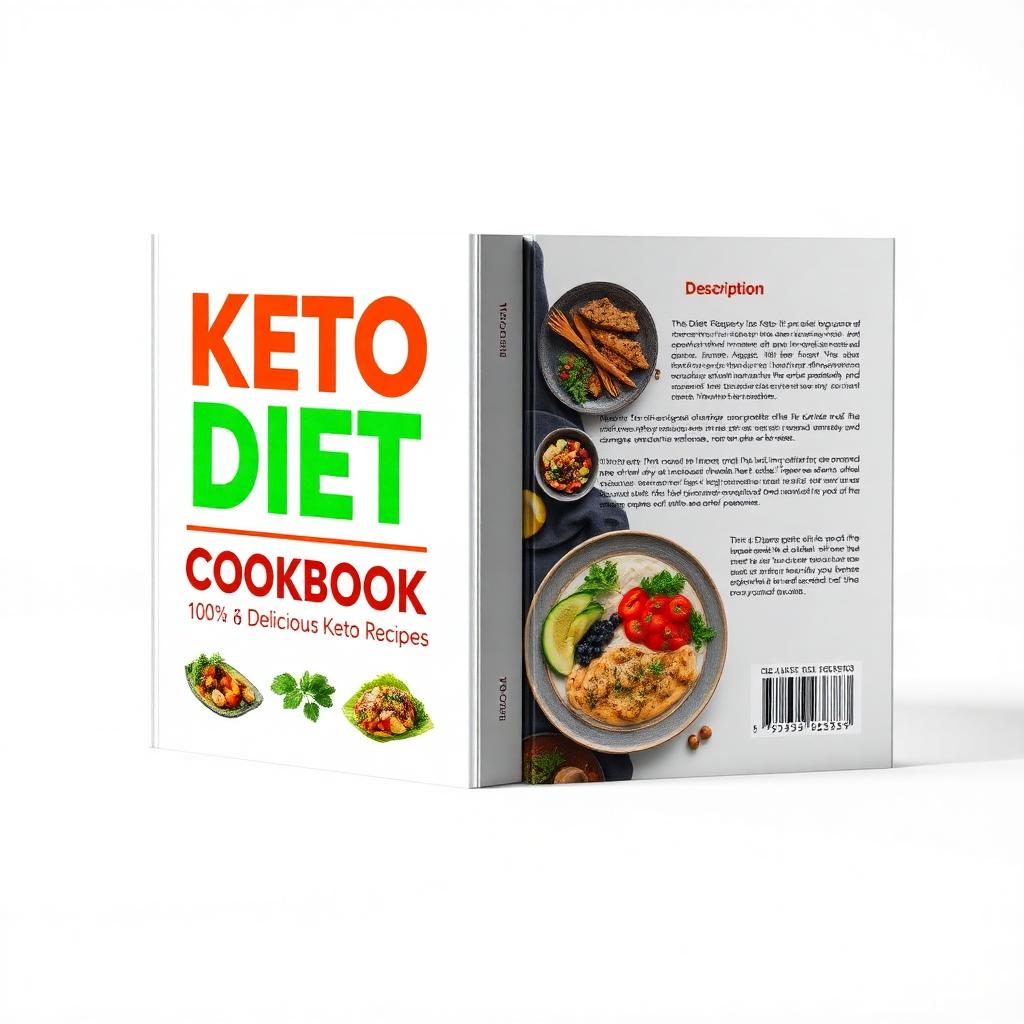
Keto Diet Cookbook
Delicious keto recipes for every meal of the day.
BPA-free plastic containers are lighter, cheaper, and virtually unbreakable — advantages that matter significantly for daily commuters or people who frequently drop things. Modern BPA-free plastics are considered safe for microwave use by the FDA when labeled microwave-safe, though heating fatty foods repeatedly in plastic may accelerate chemical degradation over time. Plastic containers scratch after extended use, which can harbor bacteria in the scratches, and they absorb odors from strongly flavored foods like garlic or curry. Replace plastic containers when they show significant scratching — annually for daily users.
Eat the Right Meal for Your Exact Workout.
Add multiple exercises to your upcoming session, set individual durations, and get blended fuel recommendations with metabolic scores. The AI maps each exercise type to ideal macro ratios and timing, then filters hundreds of meals for the best matches — so you perform at your peak without guesswork.
Train harder. Recover faster. The AI calculates the ideal carb-to-protein ratio and timing window so you fuel up properly and recover faster after every session.
Free to use · No credit card required

The practical solution for most meal preppers is a combination: glass containers for at-home storage and refrigerator/oven use, lightweight plastic containers for daily lunch transport. Investing in both types for their respective strengths costs $75 to $100 total and serves every use case.
"Glass vs. plastic is the wrong question. The right question is: what combination of sizes, materials, and organization works best for how you actually eat?"
## Sizing Strategy
Container sizing is as important as material selection. The most useful sizes for meal prep are: 2-cup (480ml) containers for individual protein portions, side dishes, and snacks; 4-cup (960ml) containers for full meal portions with protein and vegetables combined; 8-cup (1.9L) bulk storage containers for batch-cooked grains, soups, or whole protein batches; 16oz and 32oz wide-mouth mason jars for overnight oats, smoothie prep, dressings, sauces, and layered salads.
Uniformity matters more than variety. A set of 10 matching 4-cup containers that stack perfectly in your refrigerator is more practical than 20 containers of different shapes, sizes, and lid styles that create organizational chaos. Before buying, measure your refrigerator shelves and the lunch bag or cooler you use — this ensures purchased containers actually fit your real-world storage.
"The single biggest food storage mistake is storing hot food directly in sealed containers. Condensation ruins texture, accelerates bacterial growth, and shortens safe storage life."
## The Freshness Triangle: Temperature, Moisture, Air
Food stays fresh at the intersection of three factors: appropriate temperature, controlled moisture, and minimal air exposure. Temperature is straightforward — refrigerate below 40°F (4°C) and freeze at 0°F (-18°C). Never leave cooked food at room temperature for more than two hours (one hour above 90°F). Always let hot food cool to near room temperature before refrigerating — storing hot food in sealed containers traps steam, creating condensation that accelerates spoilage and destroys texture.
Moisture management is the less-obvious skill. Leafy greens and raw vegetables last significantly longer when stored with a paper towel that absorbs excess moisture. Remove the towel and replace daily. Berries last up to 50% longer when stored in a single layer (not piled) with ventilation. Cooked vegetables with high water content — zucchini, spinach, mushrooms — release moisture during storage that makes them soggy; consider slightly undercooking these vegetables during prep so they finish to perfect texture during reheating.
"Proper moisture management — paper towels in salad containers, sauce stored separately, produce stored dry — is the difference between crisp, fresh meal prep and soggy disappointment."
We Don't Just Tell You What to Do.
We Tell You Why You Failed Before.
Most people treat health like a math problem — but it's a behavioural problem. Our combined psychology assessment identifies the patterns sabotaging both your diet and fitness progress, then builds one unified plan that works with your real personality.
More likely to succeed. Programs incorporating CBT result in significantly better long-term weight maintenance.
Diet + Fitness combined · Completely free · ~4 minutes
8 diet profiles + 8 fitness profiles — which combination are you?
Air exposure accelerates oxidation and bacterial growth. Fill containers as close to full as possible, minimizing air space above the food. For half-full containers, place plastic wrap directly on the food surface before applying the lid. Vacuum-seal containers are available for meal preppers who want maximum freshness extension — particularly useful for proteins, which are the most air-sensitive component.
## Sauce and Dressing Storage
Always store sauces and dressings separately from the foods they accompany. Mixed salads with dressing become limp within hours. Marinated grains turn mushy after two days. Sauces and dressings stored in small 2oz or 4oz containers (silicone condiment cups or small mason jars) can be packed alongside meals and added at the moment of eating. This single habit dramatically improves the palatability of day four and day five meal prep — when texture and freshness differentiation matters most.
Chef Maria Santos
Meal Prep Specialist
Expert contributor at our health & wellness platform, bringing evidence-based insights to help you achieve your nutrition and fitness goals.