Building muscle requires consistent caloric surplus and high protein intake. Meal prep makes both effortless.
Building muscle — hypertrophy — requires two non-negotiable nutritional conditions: a caloric surplus sufficient to support new tissue synthesis, and adequate protein distributed throughout the day to maximize muscle protein synthesis. Most people who struggle to build muscle despite consistent training fail on one or both of these nutritional requirements. They eat inconsistently, skip post-workout nutrition, underestimate their protein needs, or simply don't eat enough. Meal prep solves all four problems simultaneously.
## Understanding Muscle-Building Nutrition
The caloric surplus required for optimal muscle gain is more modest than commonly assumed: 200 to 500 calories above your total daily energy expenditure (TDEE) is sufficient for most natural trainees. Larger surpluses produce faster weight gain but increase the proportion of that gain that is fat rather than muscle. For a 180-pound male training 4 times per week, a TDEE of approximately 2,800 to 3,000 calories means a muscle-building target of 3,000 to 3,400 calories daily. For a 140-pound female training 4 times per week, a TDEE of 2,200 to 2,400 calories means a target of 2,400 to 2,700 calories daily.
"Building muscle is simple in principle — eat more than you burn, with plenty of protein and consistent training. Meal prep removes the daily friction that prevents most people from executing consistently."
Muscle Gain Secrets
Unlock the secrets to consistent, sustainable muscle growth.

🧠 You're not hungry, you're bored. Try a 2-min walk.
✅ 340 kcal under target — on track!
🌅 Skipping breakfast causes 3pm crashes. Fuel up!
🍫 Craving chocolate? That's low magnesium. Try almonds.
😤 Stressed? Don't eat — breathe 4-7-8 for 60 seconds.
We Put Your Journey on Autopilot.
Once assessed, our optional notifications act as "Just-in-Time Adaptive Interventions" (JITAI) — a digital therapist in your pocket. Behavioural scientists say lasting change happens when Motivation, Ability, and a Prompt converge at the same moment. Our coach delivers exactly that, learning from your logged meals, moods, and habits to become more accurate over time. Instead of generic reminders, Marcus sends context-aware nudges grounded in CBT — challenging the specific thought patterns that derail your progress, right when they're most likely to strike.
Your Coach Never Sleeps.
Marcus sends intelligent CBT-based push notifications that rewire your decisions in real time — challenging cognitive distortions before the damage is done.
Protein requirements for maximum muscle protein synthesis consistently land between 1.6 and 2.2 grams per kilogram of bodyweight daily — approximately 130 to 175 grams for our 180-pound example. Research shows that distributing this protein across 4 to 5 meals of 30 to 45 grams each maximizes the anabolic response compared to eating the same total protein in fewer, larger meals.
## Caloric Surplus Meal Planning
"The research is clear: distributing protein across 4–5 meals throughout the day maximizes muscle protein synthesis more effectively than consuming the same total protein in 2–3 sittings."
The difference between muscle-building meal prep and standard healthy meal prep is caloric density: adding quality calorie sources without dramatically increasing food volume. The most efficient calorie-dense additions include: nut butters (180 calories per 2 tablespoons), avocado (80 calories per half), olive oil (120 calories per tablespoon), whole eggs versus egg whites, full-fat Greek yogurt, and oats or sweet potatoes as carbohydrate sources. These additions provide calories efficiently without requiring you to eat uncomfortably large meal volumes.
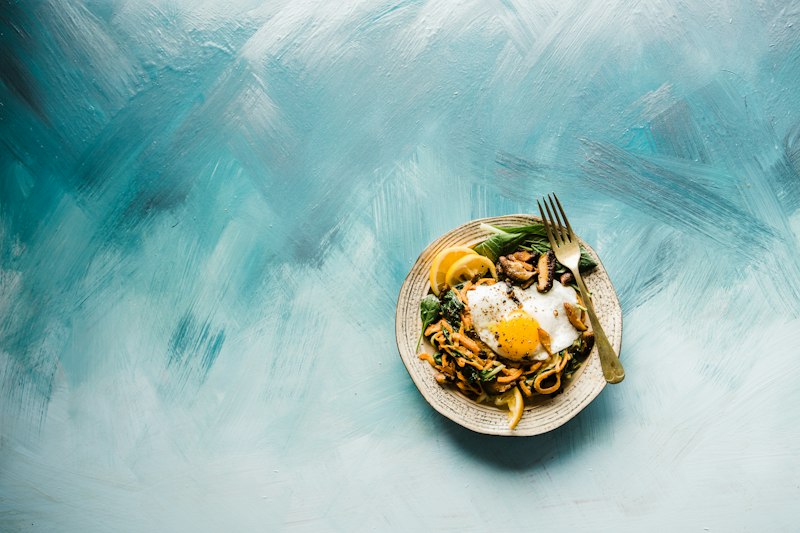
A practical muscle-building meal prep plan at 3,200 calories: Breakfast — Protein oats (100g oats, 2 scoops protein powder, 2 tablespoons peanut butter, banana) — 750 calories, 60g protein. Mid-morning — Greek yogurt parfait with granola and berries — 450 calories, 30g protein. Lunch — 200g chicken thigh over 200g rice with roasted vegetables and olive oil dressing — 700 calories, 55g protein. Pre-workout — Whole eggs and toast with avocado — 450 calories, 25g protein. Post-workout dinner — Salmon with sweet potato and broccoli — 600 calories, 45g protein. Evening — Cottage cheese with pineapple and walnuts — 350 calories, 28g protein. Total: approximately 3,300 calories, 243g protein.
## Carb Timing Around Training
"Caloric surplus meal prep doesn't mean eating junk — it means engineering nutrient-dense, calorie-sufficient meals that build muscle while supporting recovery, performance, and long-term health."
Predict How Food Affects Your Body
Before You Eat.
Log glucose readings, energy levels, and sleep quality to build your personal metabolic fingerprint. Our platform then predicts the glucose spike, energy impact, and metabolic score of any meal before you eat it — and suggests real-time tweaks like 'add avocado to blunt the glucose spike' right on the meal card.
Smarter than calorie counting. Two meals with identical calories can have wildly different effects on your energy, cravings, and fat storage. Metabolic Intelligence reveals the difference.
Free to use · No credit card required
Carbohydrate timing around training sessions enhances performance and recovery, though its magnitude is modest compared to total daily macronutrient intake. Pre-training carbohydrates (1 to 2 hours before) provide readily available glucose for high-intensity training. Post-training carbohydrates (within 2 hours after) replenish glycogen stores and, combined with post-training protein, create an anabolic environment that accelerates recovery. Meal prep makes carb timing effortless: prepare specific pre- and post-training meals labeled accordingly, so the only decision required is pulling the right container from the refrigerator at the right time.
## The Muscle-Building Meal Prep Menu
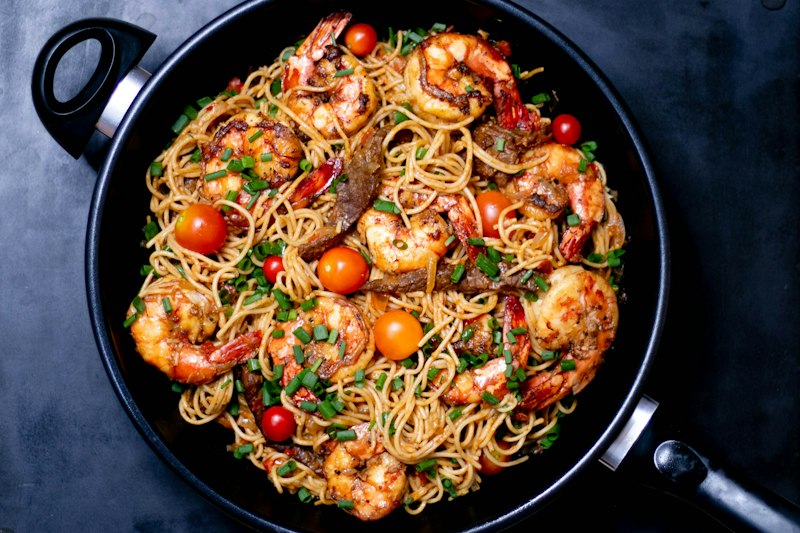
Batch cook the following each Sunday for a muscle-building week: 1.5kg chicken thighs (6 to 8 portions); 500g salmon filets (4 portions); 24 hard-boiled eggs; 1kg cooked brown rice; 500g cooked quinoa; 2 batches overnight protein oats (5 servings each); large container of roasted mixed vegetables; batch of homemade granola; portioned nut butter packs. This prep produces approximately 35 to 40 individual meal components that combine into the week's complete nutrition plan. The total active cooking time is approximately 2 to 2.5 hours — a modest investment that ensures every muscle-building training session is fueled and every recovery window is optimized. Consistency beats intensity over the months required to build meaningful muscle, and meal prep is the infrastructure that makes consistency effortless.
Chef Maria Santos
Meal Prep Specialist
Expert contributor at our health & wellness platform, bringing evidence-based insights to help you achieve your nutrition and fitness goals.