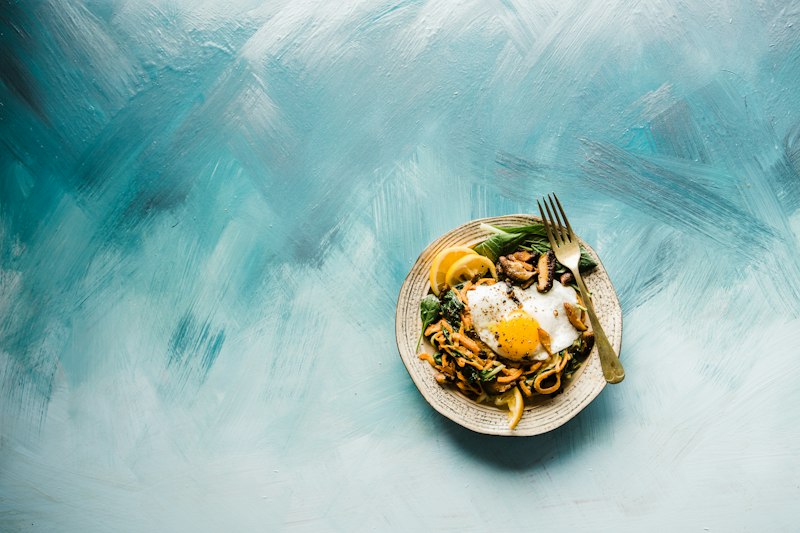
Transform your Sunday into a nutrition powerhouse. This step-by-step blueprint produces 20+ meals in just 2 hours.
The biggest barrier to consistent healthy eating is not knowledge, motivation, or even money. It is time — or more precisely, the lack of it on a Tuesday evening when you're exhausted, hungry, and staring into a refrigerator full of uncooked ingredients. Meal prep is the infrastructure solution to this problem. It front-loads the cooking work into a single weekly session, converting raw ingredients into ready-to-eat meals that require nothing more than reheating during the week.
## The Core Philosophy: Components Over Dishes
The most common meal prep mistake is cooking specific dishes — a specific curry, a specific casserole — and eating the exact same meal five days in a row. This approach leads to burnout and abandonment within two to three weeks. The more sustainable approach is component-based meal prep: batch cook versatile proteins, grains, and vegetables separately, then assemble them into different combinations each day. The same roasted chicken breast becomes a grain bowl on Monday, a salad topping on Wednesday, and a wrap filling on Friday. The same roasted vegetables work in a breakfast hash, alongside eggs at lunch, or mixed into pasta at dinner.
"The biggest barrier to healthy eating isn't knowledge, motivation, or money — it's time. Meal prep solves the time problem permanently, one Sunday at a time."
Keto Diet Cookbook
Delicious keto recipes for every meal of the day.
The formula that underlies every successful meal prep session is simple: one protein source (chicken, salmon, eggs, lentils, tofu) + one grain or starch (brown rice, quinoa, sweet potato, pasta) + two vegetable preparations (one roasted, one raw or steamed) + one or two sauces or dressings = the entire week of meals. Once you internalize this formula, meal prep becomes a system rather than a collection of recipes.

🧠 You're not hungry, you're bored. Try a 2-min walk.
✅ 340 kcal under target — on track!
🌅 Skipping breakfast causes 3pm crashes. Fuel up!
🍫 Craving chocolate? That's low magnesium. Try almonds.
😤 Stressed? Don't eat — breathe 4-7-8 for 60 seconds.
We Put Your Journey on Autopilot.
Once assessed, our optional notifications act as "Just-in-Time Adaptive Interventions" (JITAI) — a digital therapist in your pocket. Behavioural scientists say lasting change happens when Motivation, Ability, and a Prompt converge at the same moment. Our coach delivers exactly that, learning from your logged meals, moods, and habits to become more accurate over time. Instead of generic reminders, Marcus sends context-aware nudges grounded in CBT — challenging the specific thought patterns that derail your progress, right when they're most likely to strike.
Your Coach Never Sleeps.
Marcus sends intelligent CBT-based push notifications that rewire your decisions in real time — challenging cognitive distortions before the damage is done.
## The 2-Hour Prep Timeline
"The formula is simple: one protein + one grain + two vegetables + one sauce = infinite meal combinations. Prep the components, not specific dishes."
Minutes 0–20: Start your longest-cooking items first. Put brown rice or quinoa on to cook (20 minutes for quinoa, 45 for brown rice). Season and load chicken thighs or salmon onto sheet pans and slide them into a 400°F oven. Simultaneously, dice sweet potatoes and toss with olive oil, salt, and your seasoning of choice — these go on a second sheet pan in the oven. While those cook, wash and chop all raw vegetables: bell peppers, cucumber, red onion, leafy greens. Store in airtight containers with a paper towel to absorb excess moisture. Hard-boil a dozen eggs in a pot of boiling water.
Minutes 20–40: The oven is doing the heavy lifting now. Use this time to prepare your sauces. A basic tahini dressing (tahini, lemon juice, garlic, water, salt) takes five minutes and transforms any bowl. A simple pesto (basil, olive oil, garlic, pine nuts, parmesan, lemon) provides another flavor dimension. Wash and spin-dry leafy greens. Prep any legumes if using canned beans — rinse, drain, season, and warm in a pan with spices. Check and rotate sheet pans as needed.
Minutes 40–60: Pull proteins and vegetables from the oven. While they cool slightly (never store hot food directly in containers — it creates condensation and ruins texture), cook any quick-cooking proteins: shrimp (3 minutes), ground turkey (8 minutes), or scrambled eggs. Portion grains into individual containers or store in bulk. Slice cooled proteins and portion appropriately. Assemble any complete meals you want pre-built (overnight oats for breakfasts take 5 minutes at this stage).
"Successful meal preppers don't make the same boring meals every day. They prep versatile building blocks that can be assembled into completely different meals all week."
Minutes 60–90: The active cooking is finished. Now execute the storage strategy. Label every container with the contents and date. Store proteins and grains separately from vegetables to prevent sogginess. Pack individual lunch containers if that workflow suits you, or store all components in bulk containers for flexible assembly. Prepare your shopping list for next week while everything is fresh in your mind.
## Container Strategy and Storage
Your container system is the physical infrastructure of your meal prep habit. Glass containers are ideal for reheating and last indefinitely, but they are heavier and more expensive. BPA-free plastic containers in uniform sizes (2-cup and 4-cup rectangular containers) stack efficiently and are lighter for lunch transport. Invest in a set of 20 matching containers — the uniformity makes refrigerator organization dramatically easier. Mason jars (16oz and 32oz) are excellent for overnight oats, smoothie prep, and salads kept with dressing separate.
"Two hours of focused Sunday prep eliminates at least five weeknight decisions — and five opportunities for takeout, stress eating, or skipping meals altogether."
Food storage timing: cooked proteins last 4 days refrigerated. Grains last 5 days. Roasted vegetables last 4 days. Raw chopped vegetables last 5 to 7 days with proper moisture control. Hard-boiled eggs last 1 week. If you're prepping for a full week, freeze half the proteins on Sunday and move them to the refrigerator Wednesday morning. This ensures freshness every day of the week.
Scan Any Food. Track Instantly.
No more manual searching or guessing nutritional values. Point your camera at any barcode and get full macro and micro data in under a second — calories, protein, carbs, fat, fibre, sugar, and salt. Every scan auto-logs to your daily food journal, keeping you effortlessly on track.
Products in database. Powered by Open Food Facts — the world's largest open food database. If it has a barcode, we've got it.
Free to use · No credit card required
## The Grocery List System
Efficient meal prep begins at the grocery store. Build your shopping list around the week's prep plan before you go, organized by store section: produce, proteins, grains and pantry, dairy. Buy proteins in bulk when on sale and freeze the excess — this dramatically reduces the per-meal cost of meal prep and ensures you always have protein available. Keep a pantry stocked with olive oil, vinegars, dried spices, soy sauce, tahini, canned beans and tomatoes, and a variety of grains. When these foundations are always available, the only weekly shopping needed is fresh produce and proteins.
Plan for variability: buy two or three different seasoning profiles each week to rotate flavors. The same chicken can become Mediterranean (lemon, herbs, olive oil), Asian-inspired (soy sauce, ginger, sesame), or Mexican (cumin, chili powder, lime) depending on the spice blend used during prep. This single strategy — rotating flavor profiles on the same protein — prevents the monotony that kills most meal prep habits.
Meal prep isn't about eating boring food every day. It's about removing the daily friction of cooking so that healthy food is always the easiest option available. Done consistently for four weeks, it becomes as automatic as any other household routine — and the downstream effects on your energy, body composition, finances, and daily stress levels are transformative.
Chef Maria Santos
Meal Prep Specialist
Expert contributor at our health & wellness platform, bringing evidence-based insights to help you achieve your nutrition and fitness goals.