Nail plant-based meal prep with these protein-complete recipes and time-saving batch strategies.
Plant-based meal prep has a reputation for being either nutritionally incomplete or culinarily boring — a reputation that is entirely undeserved when approached with basic nutritional knowledge and culinary creativity. The plant kingdom offers an extraordinary range of proteins, flavors, textures, and culinary traditions that, when systematically batch-cooked, produce a week of meals that are nutritionally superior to most conventional meal prep in fiber content, micronutrient diversity, and anti-inflammatory compound concentration.
## The Complete Protein Question
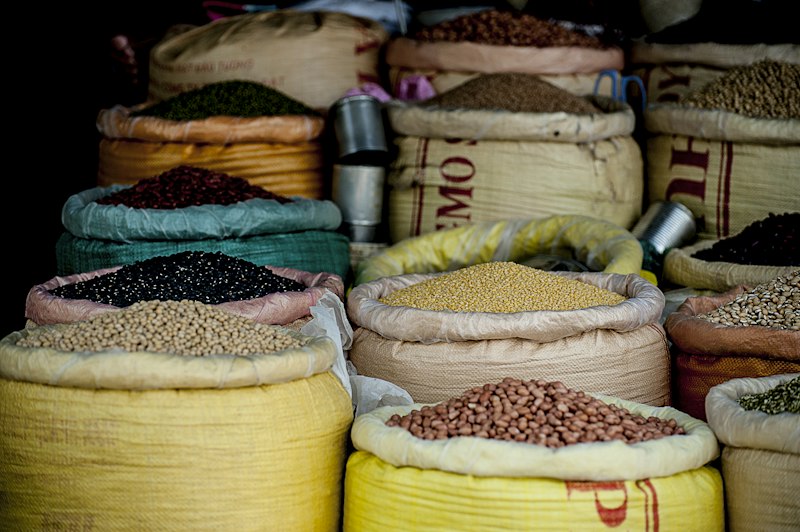
The primary nutritional concern with plant-based eating is protein completeness — specifically, whether plant proteins provide all nine essential amino acids that the body cannot synthesize independently. The short answer is: most individual plant proteins are 'incomplete' (lacking one or more essential amino acids in adequate quantities), but this is easily addressed through food combination across the day. Legumes (beans, lentils, chickpeas, soybeans) are high in lysine but low in methionine. Grains (rice, quinoa, wheat, oats) are high in methionine but low in lysine. Eating both legumes and grains across the day — not necessarily in the same meal — provides all essential amino acids in adequate quantities. Quinoa, soybeans, and edamame are notable exceptions as truly complete plant proteins.
"Plant-based meal prep is not about sacrifice — it's about abundance. The plant kingdom offers an extraordinary range of proteins, flavors, and textures that make weekly prep genuinely exciting."
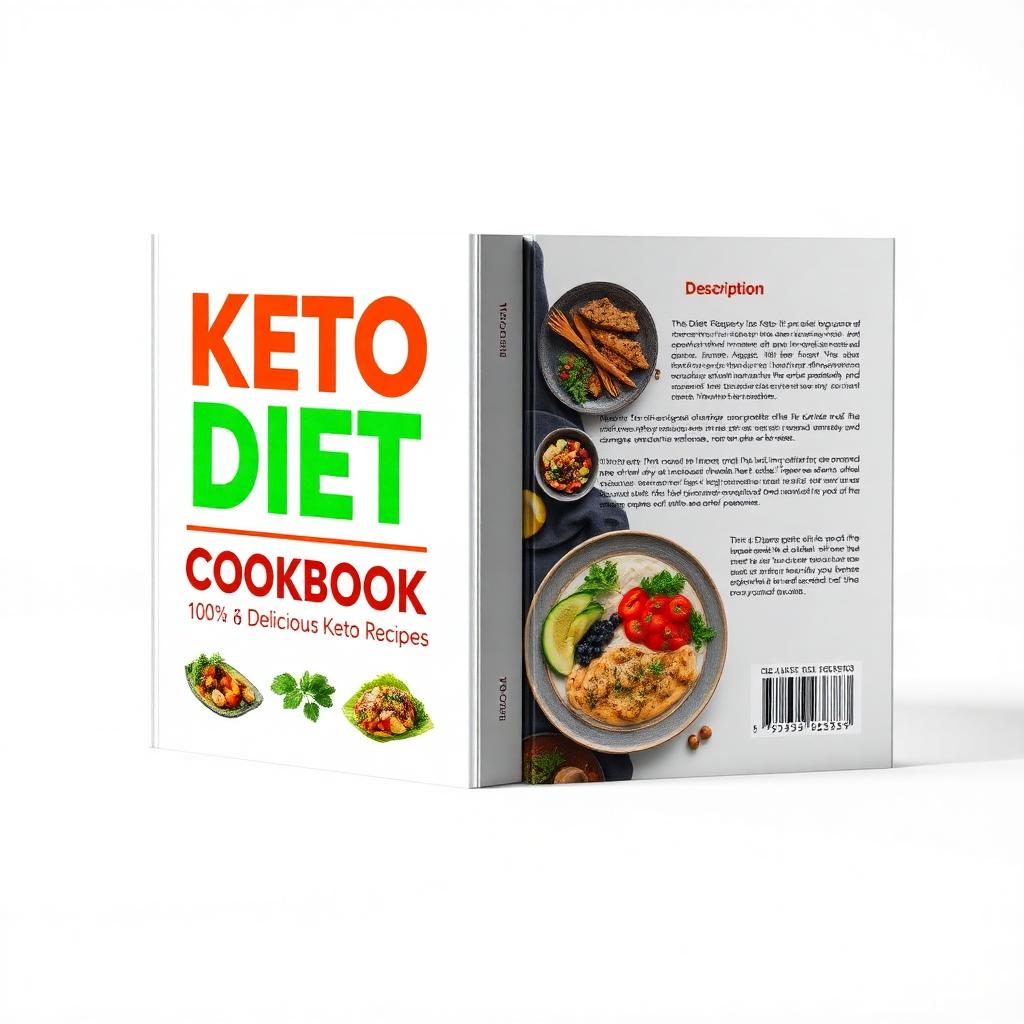
Keto Diet Cookbook
Delicious keto recipes for every meal of the day.
Scan Any Food. Track Instantly.
No more manual searching or guessing nutritional values. Point your camera at any barcode and get full macro and micro data in under a second — calories, protein, carbs, fat, fibre, sugar, and salt. Every scan auto-logs to your daily food journal, keeping you effortlessly on track.
Products in database. Powered by Open Food Facts — the world's largest open food database. If it has a barcode, we've got it.
Free to use · No credit card required

For plant-based meal prep targeting 1.4 to 1.6 grams of protein per kilogram of bodyweight, the foundational protein sources are: tempeh (31g protein per 100g — the highest plant protein density), edamame (17g per 100g), lentils (18g per cup cooked), black beans (15g per cup cooked), chickpeas (15g per cup cooked), tofu (17g per 100g firm tofu), seitan (25g per 100g — wheat gluten), and nutritional yeast (8g per 2 tablespoons, plus B12).
## Batch-Cooking Legumes Like a Pro
"The complete protein concern is real but easily managed: combining legumes with grains across the day — not necessarily in the same meal — provides all essential amino acids without any supplementation."
Dried legumes batch-cooked from scratch are dramatically superior to canned in flavor and texture, and significantly cheaper. Soak 500g of dried chickpeas overnight (this reduces cooking time by 40% and removes gas-producing oligosaccharides). Cook in fresh water with aromatics — bay leaves, kombu, garlic — for 60 to 90 minutes until tender. Season only at the end with salt, olive oil, lemon juice, and spices. From one batch, divide into four portions: seasoned with cumin and smoked paprika for a Mexican bowl; dressed with olive oil, lemon, and herbs for a Mediterranean version; pureed with tahini, lemon, and garlic for hummus; kept plain for adding to soups and curries.
## Tofu and Tempeh Preparation
Tofu's most important prep step is pressing — removing excess water allows it to absorb marinades and develop crispy texture when cooked. Press firm or extra-firm tofu for 30 to 60 minutes using a tofu press or by wrapping in paper towels under a heavy object. Marinate pressed tofu for at least 30 minutes (or overnight) before cooking. The best plant-based meal prep marinade is: 3 tablespoons soy sauce, 1 tablespoon sesame oil, 1 tablespoon rice vinegar, 1 tablespoon maple syrup, 1 teaspoon garlic powder, 1 teaspoon ginger. Bake at 400°F for 25 to 30 minutes, flipping halfway, for chewy, flavorful tofu that maintains its texture for 4 days refrigerated.
"Tofu and tempeh are the meal prepper's best plant-based proteins — they absorb marinades beautifully, cook quickly, and provide 15-20g of protein per serving at minimal cost."
We Don't Just Tell You What to Do.
We Tell You Why You Failed Before.
Most people treat health like a math problem — but it's a behavioural problem. Our combined psychology assessment identifies the patterns sabotaging both your diet and fitness progress, then builds one unified plan that works with your real personality.
More likely to succeed. Programs incorporating CBT result in significantly better long-term weight maintenance.
Diet + Fitness combined · Completely free · ~4 minutes

8 diet profiles + 8 fitness profiles — which combination are you?
Tempeh requires less preparation than tofu — its fermentation produces a more complex, nutty flavor profile that stands on its own. Steam tempeh for 10 minutes before marinating (steaming removes bitterness and opens the texture to better marinade absorption). Use the same marinade as tofu and bake or pan-fry until caramelized.
## The Weekly Plant-Based Prep Plan
A complete plant-based prep session: protein batch (500g pressed and marinated baked tofu; 500g marinated and baked tempeh; large pot of mixed bean and lentil soup); grain batch (1kg brown rice; 500g quinoa); sauce batch (tahini dressing, romesco, chimichurri); vegetable batch (large tray roasted root vegetables and broccoli; washed raw greens and vegetables). Total prep time: 2 to 2.5 hours. Nutritional result: approximately 5 days of complete plant-based meals averaging 1,800 to 2,200 calories with 80 to 100 grams of plant protein daily. Plant-based meal prep done well is not a compromise — it is one of the most nutritionally dense, environmentally responsible, and genuinely satisfying approaches to weekly food preparation.
Chef Maria Santos
Meal Prep Specialist
Expert contributor at our health & wellness platform, bringing evidence-based insights to help you achieve your nutrition and fitness goals.