Walking barefoot on earth may have real physiological effects — but not the ones most wellness marketers claim. Here's the actual research.
Grounding — also called earthing — refers to physical contact with the Earth's surface, theoretically allowing the transfer of electrons from the negatively charged Earth to the positively charged human body. The hypothesis is that this electron transfer neutralizes free radicals, reduces oxidative stress, and restores a natural electrical balance that has been disrupted by modern insulated footwear and indoor living. The wellness industry has embraced grounding with remarkable enthusiasm, selling grounding mats, sheets, and bands for hundreds of dollars. But what does the actual research show, and how should a rational biohacker evaluate these claims?
The electron transfer hypothesis is the mechanistic foundation of earthing science. The Earth's surface carries a slight negative electrical charge due to lightning strikes and ionospheric processes — approximately 1,000 lightning strikes per second globally maintain this charge differential. Research published in the Journal of Environmental and Public Health by Chevalier and colleagues proposed that direct skin contact with the Earth allows electron transfer that could act as antioxidants, neutralizing positively charged free radicals that drive inflammatory processes. This is theoretically plausible — electrons are antioxidants by definition — but whether the quantities transferred are biologically meaningful remains debated.

🧠 You're not hungry, you're bored. Try a 2-min walk.
✅ 340 kcal under target — on track!
🌅 Skipping breakfast causes 3pm crashes. Fuel up!
🍫 Craving chocolate? That's low magnesium. Try almonds.
😤 Stressed? Don't eat — breathe 4-7-8 for 60 seconds.
We Put Your Journey on Autopilot.
Once assessed, our optional notifications act as "Just-in-Time Adaptive Interventions" (JITAI) — a digital therapist in your pocket. Behavioural scientists say lasting change happens when Motivation, Ability, and a Prompt converge at the same moment. Our coach delivers exactly that, learning from your logged meals, moods, and habits to become more accurate over time. Instead of generic reminders, Marcus sends context-aware nudges grounded in CBT — challenging the specific thought patterns that derail your progress, right when they're most likely to strike.
Your Coach Never Sleeps.
Marcus sends intelligent CBT-based push notifications that rewire your decisions in real time — challenging cognitive distortions before the damage is done.
## The Electron Transfer Hypothesis Blood viscosity research is among the most methodologically credible work in the grounding literature. A study published in the Journal of Alternative and Complementary Medicine measured red blood cell (RBC) zeta potential — a measure of RBC surface charge that determines how much cells repel each other in blood — before and after grounding. Grounded subjects showed significantly increased RBC zeta potential, indicating cells were more negatively charged and therefore repelled each other more strongly, potentially reducing blood viscosity and aggregation risk. This finding has direct cardiovascular implications if replicated in larger trials.
"The electron transfer hypothesis of grounding is theoretically plausible — but whether the quantities of electrons transferred are biologically meaningful remains genuinely debated."
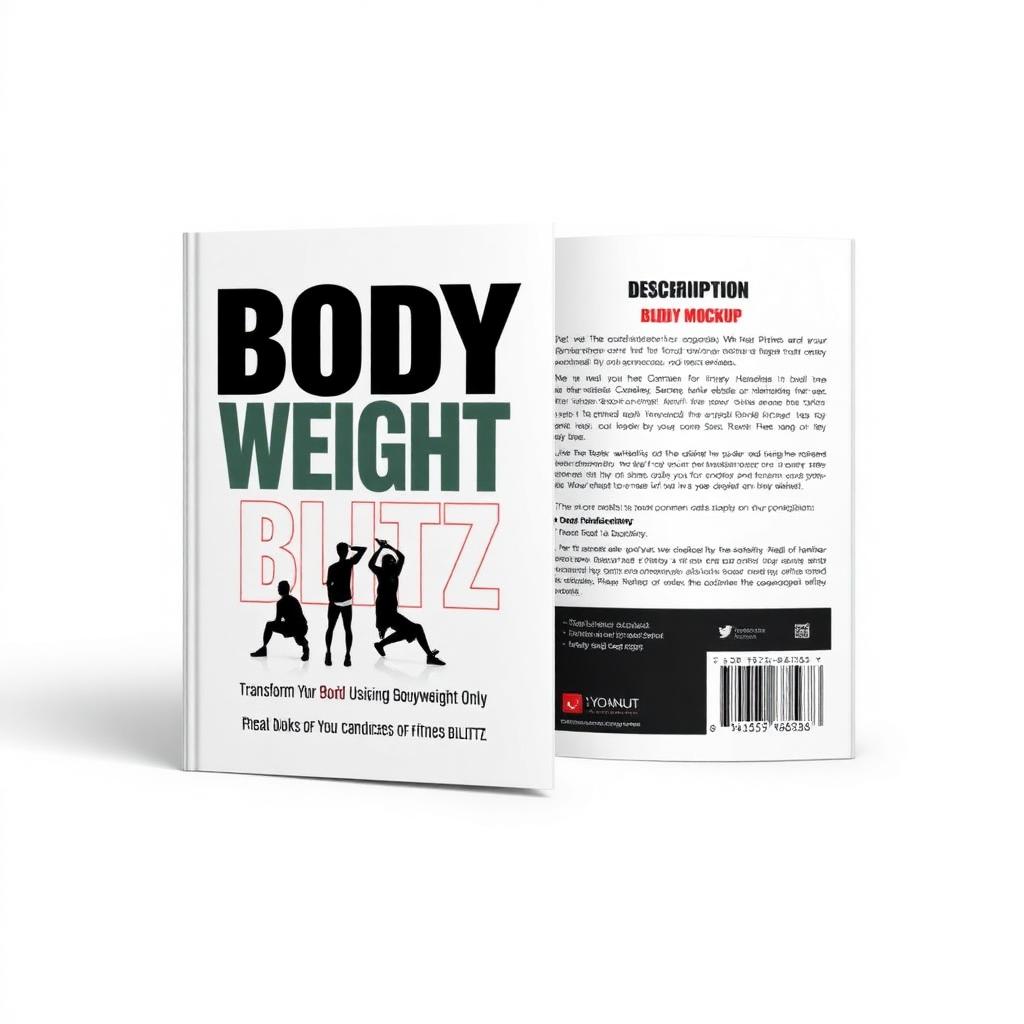
Body Weight Blitz
Transform your body using nothing but your own bodyweight.
## Measured Effects on Blood Viscosity Cortisol rhythm and sleep studies provide more mixed evidence. A small study measuring cortisol diurnal rhythms in participants who slept grounded for 8 weeks found normalization of cortisol curves that had been disrupted — with earlier morning peaks and lower nighttime cortisol levels compared to ungrounded controls. Participants also reported improved sleep quality and reduced pain. A separate randomized trial found that subjects sleeping on grounding mats showed reduced nighttime cortisol levels and self-reported improvements in sleep quality, mood, and pain levels compared to sham-grounding controls.
## Cortisol and Sleep Studies The methodological limitations of most grounding research are significant and should temper enthusiasm: most studies have small sample sizes (under 30 participants), short durations, rely heavily on subjective self-report, use inadequate blinding (participants often know whether they are grounded or not), and lack pre-registered protocols. The research is intriguing enough to justify interest but insufficient to justify strong clinical recommendations. The effect sizes, where measurable, appear modest.
"Grounded subjects showed increased red blood cell zeta potential, suggesting reduced blood viscosity — one of the most methodologically credible findings in the grounding literature."
Eat the Right Meal for Your Exact Workout.
Add multiple exercises to your upcoming session, set individual durations, and get blended fuel recommendations with metabolic scores. The AI maps each exercise type to ideal macro ratios and timing, then filters hundreds of meals for the best matches — so you perform at your peak without guesswork.
Train harder. Recover faster. The AI calculates the ideal carb-to-protein ratio and timing window so you fuel up properly and recover faster after every session.
Free to use · No credit card required
## Practical Grounding Protocols For practically-minded biohackers, the cost-benefit analysis of grounding is favorable given its near-zero cost and risk profile. Spending 20–30 minutes barefoot on grass, soil, sand, or concrete (a conductor that allows electron transfer) daily provides whatever earthing benefit exists while also offering the documented psychological benefits of nature exposure — reduced cortisol, improved mood, and reduced mental fatigue established by 'green space' research across dozens of studies. Purchasing expensive grounding products for indoor use is harder to justify given the limited evidence, but walking barefoot outdoors costs nothing and offers genuine wellness benefits regardless of the specific earthing mechanism.
Grounding occupies a fascinating middle ground in the biohacking evidence spectrum — more credible than most dismissed pseudoscience, but less validated than interventions like sleep, exercise, cold exposure, or sauna. The benefits appear modest and real for some parameters, entirely free to access, and mechanistically plausible. In a field full of expensive and speculative interventions, walking barefoot on grass for 20 minutes daily may be one of the most reasonable biohacking 'experiments' — even if the mechanisms are still being established.
Marcus Webb
Performance Coach
Expert contributor at our health & wellness platform, bringing evidence-based insights to help you achieve your nutrition and fitness goals.