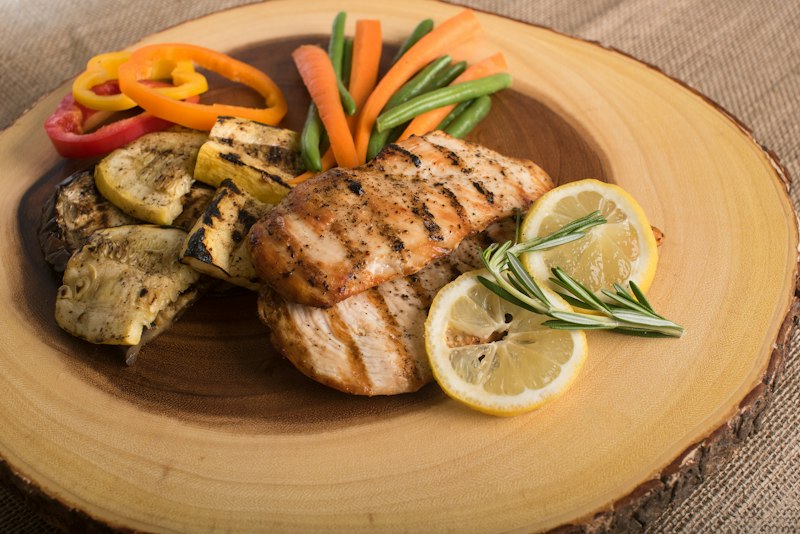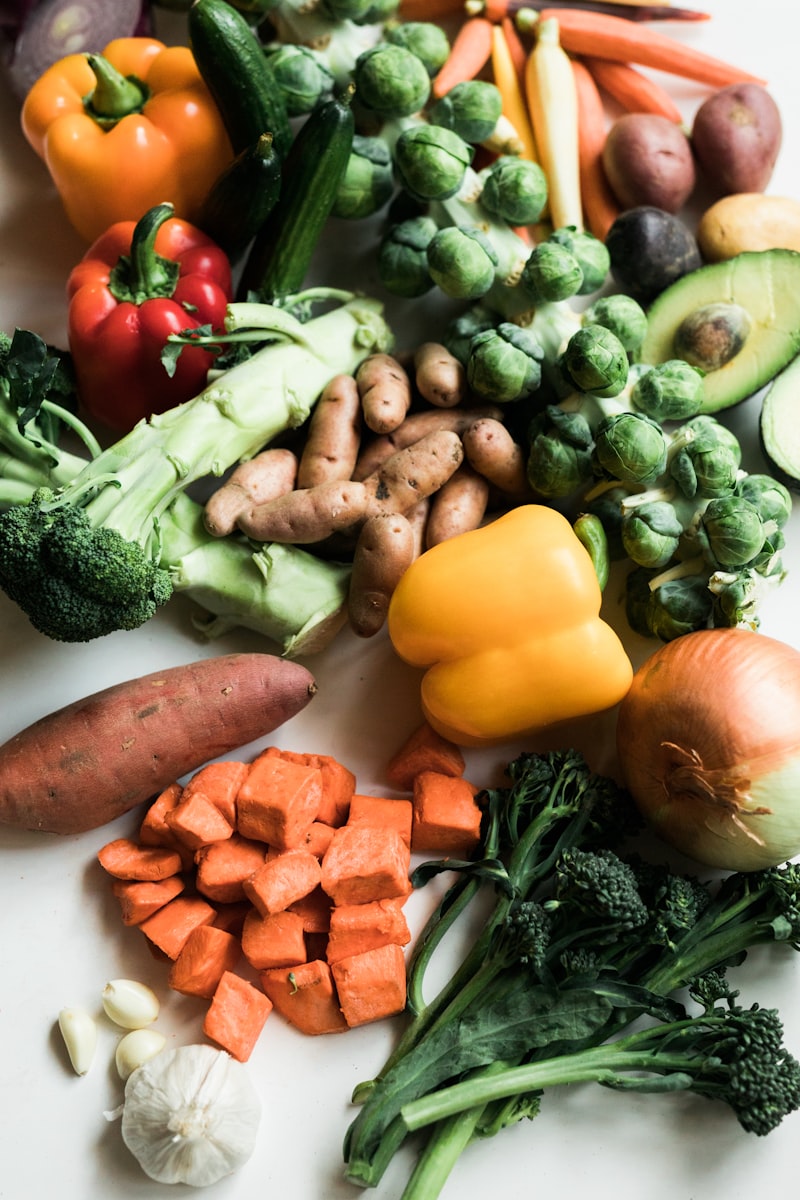
Eating well doesn't have to break the bank. Here's how to maintain a nutritious diet on any budget.
The perception that eating healthily is prohibitively expensive is one of the most persistent and damaging myths in nutrition. While it is true that premium organic products, specialty health foods, and certain cuts of fish and meat carry high price tags, the most nutritious foods on the planet — legumes, whole grains, canned fish, eggs, frozen vegetables, and seasonal produce — are among the cheapest calories available. Research published in BMJ Open found that a healthy diet costs approximately $1.50 more per person per day than an unhealthy diet on average. However, when accounting for healthcare costs, productivity, and quality of life, healthy eating is dramatically more cost-effective than its opposite. Here is a practical system for maintaining excellent nutrition on any budget.
The budget protein playbook begins with legumes: dried lentils ($1.50 per pound, roughly 10 servings), chickpeas, black beans, and kidney beans are the most nutritionally dense and economical protein sources available. A cup of cooked lentils provides 18 grams of protein, 16 grams of fiber, and significant iron and folate for approximately $0.25. Eggs are another exceptional value — a dozen large eggs costs $3 to $5 and provides 6 grams of complete protein per egg along with choline, vitamin D, and B12. Canned tuna and sardines ($1 to $2 per can) provide 20+ grams of protein and significant omega-3 fatty acids per serving. Chicken thighs — more economical than breasts and arguably more flavorful — provide excellent protein at $2 to $3 per pound.
Predict How Food Affects Your Body
Before You Eat.
Log glucose readings, energy levels, and sleep quality to build your personal metabolic fingerprint. Our platform then predicts the glucose spike, energy impact, and metabolic score of any meal before you eat it — and suggests real-time tweaks like 'add avocado to blunt the glucose spike' right on the meal card.
Smarter than calorie counting. Two meals with identical calories can have wildly different effects on your energy, cravings, and fat storage. Metabolic Intelligence reveals the difference.
Free to use · No credit card required

Frozen vegetables are nutritional equals of fresh produce at a fraction of the cost. Research from the University of Chester found that frozen vegetables often retain more vitamins than fresh produce that has spent multiple days in transit and storage. Frozen spinach, broccoli, mixed vegetables, edamame, and peas are typically 30 to 60 percent less expensive than fresh equivalents and are available year-round without seasonal price fluctuations. Stock your freezer with a variety of frozen vegetables for quick, nutritious additions to any meal without the time pressure of using fresh produce before it spoils.
"Mindful eating reduces binge eating by 50 to 70 percent — a therapeutic effect comparable to or exceeding traditional behavioural weight loss programmes."
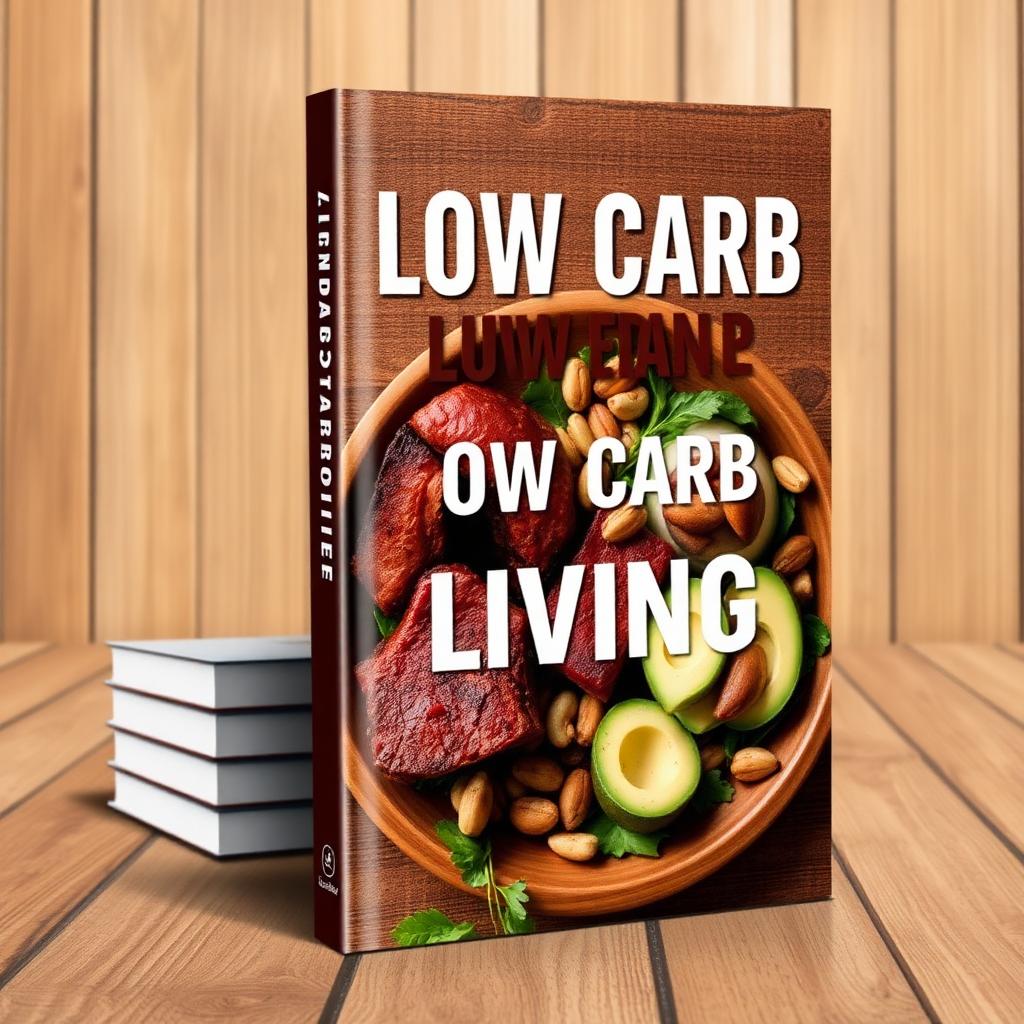
Low Carb Living
Practical guide to sustainable low-carb eating for health and weight management.
Whole grains in bulk form provide extraordinary nutritional value at minimal cost. A five-pound bag of rolled oats — providing beta-glucan fiber proven to lower cholesterol and stabilize blood sugar — costs $3 to $5 and supplies approximately 30 breakfasts. Brown rice ($1 to $2 per pound), bulgur, barley, and whole wheat pasta are similarly economical. Buying in bulk — whether from bulk bins at natural food stores or in large packages at warehouse stores — reduces per-unit costs dramatically. A 25-pound bag of dried lentils costs approximately $20 and provides over 150 servings of protein and fiber.
Seasonal produce purchasing is the most impactful strategy for reducing fresh fruit and vegetable costs. Produce priced at peak seasonality costs dramatically less than out-of-season alternatives. Summer berries drop to $2 to $3 per pint during peak season while costing $6 to $8 in winter. Winter squash and sweet potatoes are extraordinarily inexpensive in fall. Farmers' markets often offer better prices than grocery stores for seasonal items, particularly late in the market day when vendors prefer to sell remaining inventory. The USDA's Seasonal Produce Guide can help you identify what's in season in your region and plan accordingly.
"Most eating behaviour is controlled by automatic, habit-driven responses — not conscious hunger. Mindful eating engages the reflective system, creating space for intentional choice."
We Don't Just Tell You What to Do.
We Tell You Why You Failed Before.
Most people treat health like a math problem — but it's a behavioural problem. Our combined psychology assessment identifies the patterns sabotaging both your diet and fitness progress, then builds one unified plan that works with your real personality.
More likely to succeed. Programs incorporating CBT result in significantly better long-term weight maintenance.
Diet + Fitness combined · Completely free · ~4 minutes

8 diet profiles + 8 fitness profiles — which combination are you?
Meal planning and a written shopping list are the two most powerful tools for budget-friendly healthy eating. Research published in the journal Appetite found that people who shopped with a list spent significantly less money and purchased more nutritious foods compared to impulse shoppers. Before each grocery trip, plan your meals for the week, identify which staple proteins, grains, and vegetables you need, check what you already have in your pantry and freezer, and write a comprehensive list that you stick to. This discipline eliminates the impulse purchases, wasted food, and emergency restaurant visits that quietly inflate food budgets. According to the USDA, the average American household wastes approximately 30 to 40 percent of the food it purchases — food planning is the most direct intervention for reducing this waste.
Cooking skills compound in value over time — an investment in learning a few basic culinary techniques dramatically reduces both food costs and time spent in the kitchen. Master these five techniques and you will be able to prepare hundreds of nutritious, affordable meals: batch grain cooking (preparing a week's worth of rice or lentils in one session), one-pan roasting (protein and vegetables on a sheet pan), sautéing (quick vegetable and protein combinations in a skillet), slow cooking (turning cheap cuts and legumes into rich, flavorful meals), and soup and stew making (transforming vegetable scraps and legumes into nourishing, inexpensive meals). A household that cooks from scratch using these techniques can eat nutritiously and deliciously for $50 to $75 per week.
Emma Davis
Budget Nutrition Writer
Expert contributor at our health & wellness platform, bringing evidence-based insights to help you achieve your nutrition and fitness goals.