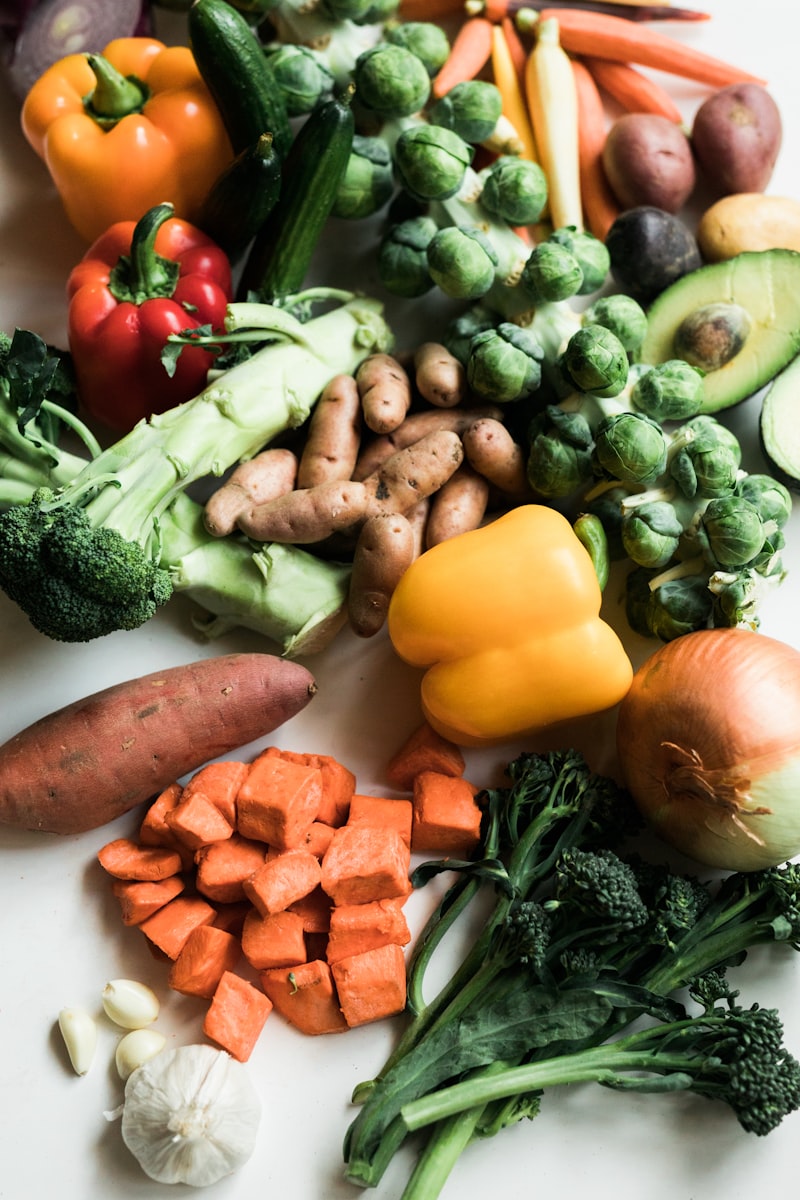
From personalized nutrition to regenerative agriculture, we evaluate the latest diet trends on scientific merit.
Every year produces a new wave of dietary trends, some representing genuine advances in nutritional science and others driven by social media influence, clever marketing, or the perpetual human desire for a simple solution to complex health challenges. Evaluating these trends against the available scientific evidence — rather than the strength of their Instagram presence or celebrity endorsements — separates dietary approaches that can genuinely improve your health from those that are harmless at best or actively counterproductive at worst. Here is an evidence-based assessment of the most significant dietary trends of 2026.
Personalized nutrition based on genetic testing (nutrigenomics) and continuous glucose monitoring represents the most scientifically grounded trend of the year. Research published in Cell found enormous individual variation in blood glucose responses to identical foods — one person's blood sugar spikes dramatically after eating a banana while another person's remains flat. Companies like ZOE and Viome now offer personalized dietary recommendations based on gut microbiome analysis and continuous glucose data, and early clinical trials suggest that microbiome-informed dietary recommendations may produce better metabolic outcomes than standard dietary advice. While the science is still maturing, the fundamental premise — that individuals respond differently to foods based on their genetics, microbiome, and metabolism — is well-established.
Scan Any Food. Track Instantly.
No more manual searching or guessing nutritional values. Point your camera at any barcode and get full macro and micro data in under a second — calories, protein, carbs, fat, fibre, sugar, and salt. Every scan auto-logs to your daily food journal, keeping you effortlessly on track.
Products in database. Powered by Open Food Facts — the world's largest open food database. If it has a barcode, we've got it.
Free to use · No credit card required

The longevity diet, synthesizing principles from Blue Zones research and emerging longevity science, is gaining substantial momentum. The Blue Zones dietary pattern — predominantly plant-based with legumes as the primary protein source, minimal processed food, moderate caloric intake, and regular consumption of nuts and seeds — is associated with the highest rates of centenarianism observed anywhere in the world. Research from the Buck Institute for Research on Aging has added mechanistic support, demonstrating how specific dietary patterns activate sirtuin proteins and AMPK pathways associated with extended cellular lifespan. The longevity diet is less a trend than a synthesis of what decades of research consistently shows about eating for a long, healthy life.
"Whole30 is a 30-day elimination protocol designed to identify food sensitivities by removing common triggers — then systematically reintroducing them to observe your body's response."
Intermittent Fasting Formula
Master intermittent fasting with proven protocols for fat loss and longevity.
Regenerative agriculture and provenance-based eating reflect growing awareness that food quality is inseparable from how it is grown. Research published in Nature Communications found that regeneratively farmed produce had higher mineral content and a more beneficial omega-6 to omega-3 ratio compared to conventionally farmed equivalents. Grass-fed and pasture-raised animal products consistently show superior fatty acid profiles and antioxidant content. While regenerative agriculture products are typically more expensive, the combination of superior nutrition and environmental benefits — regenerative farming sequesters carbon and improves soil health — makes this a trend with genuine merit beyond marketing.
Functional mushrooms have transitioned from fringe supplement to mainstream nutrition. Lion's mane (Hericium erinaceus) has been shown in randomized controlled trials to stimulate nerve growth factor production, with potential benefits for cognitive function and peripheral nerve health. Reishi (Ganoderma lucidum) contains beta-glucans and triterpenes with immunomodulatory and adaptogenic properties. Chaga is among the highest-ORAC antioxidant foods measured. Cordyceps may improve exercise performance by enhancing ATP production. A 2021 meta-analysis in Phytomedicine found significant evidence for lion's mane's cognitive benefits and reishi's immune effects. Incorporating culinary mushrooms (shiitake, oyster, maitake) and medicinal mushrooms (lion's mane, reishi powder) into daily cooking is a well-supported dietary upgrade.
"The real value of Whole30 isn't the 30 days of restriction — it's the reintroduction phase, where you discover exactly which foods cause inflammation, bloating, or energy crashes in your body."
Eat the Right Meal for Your Exact Workout.
Add multiple exercises to your upcoming session, set individual durations, and get blended fuel recommendations with metabolic scores. The AI maps each exercise type to ideal macro ratios and timing, then filters hundreds of meals for the best matches — so you perform at your peak without guesswork.
Train harder. Recover faster. The AI calculates the ideal carb-to-protein ratio and timing window so you fuel up properly and recover faster after every session.
Free to use · No credit card required
Time-restricted eating (TRE) as a circadian health intervention — rather than simply a weight loss tool — is one of 2026's most scientifically interesting dietary developments. Research from the Salk Institute for Biological Studies has demonstrated that eating in alignment with circadian rhythms (earlier in the day, stopping eating several hours before sleep) improves metabolic outcomes independent of caloric intake. A randomized controlled trial published in Cell Metabolism found that eating within a consistent 8 to 10-hour early window reduced blood pressure, improved insulin sensitivity, and lowered oxidative stress markers in participants with metabolic syndrome — even without any dietary restriction. Aligning your eating window with your natural light-dark cycle is emerging as one of the most practical and impactful dietary adjustments you can make.
The most enduring dietary wisdom requires no trend cycle to validate it: eat predominantly whole, minimally processed foods; prioritize vegetables and fruits in abundant variety; include quality protein sources at every meal; minimize ultra-processed foods, added sugars, and refined carbohydrates; maintain appropriate caloric balance for your body and activity level; and eat with enjoyment and social connection. The dietary patterns consistently associated with the best long-term health outcomes — Mediterranean, MIND, Blue Zones, traditional plant-forward diets — are not trends. They are time-tested approaches that the science continues to reinforce with every passing year.
Dr. Mike Wilson
Nutrition Trends Analyst
Expert contributor at our health & wellness platform, bringing evidence-based insights to help you achieve your nutrition and fitness goals.