
Learn to distinguish physical hunger from emotional hunger and eat in tune with your body's actual needs.
In a world of constant food availability, aggressive food marketing, and emotional stressors that drive eating behaviors, many people have become significantly disconnected from their body's natural hunger and satiety signaling systems. Research from the University of California found that the average adult makes approximately 35,000 decisions per day, with food-related decisions accounting for more than 200 of them. Many of these decisions are made automatically, in response to environmental cues, emotions, or habit — rather than genuine physiological need. Reconnecting with your body's authentic hunger and fullness signals is one of the most powerful steps you can take toward a healthier relationship with food.
Physical hunger and emotional hunger produce distinctly different experiences, though they can be remarkably difficult to distinguish in the moment. Physical hunger builds gradually over one to three hours after your last meal. It manifests as stomach growling, an empty or hollow feeling in the abdomen, mild lightheadedness, difficulty concentrating, and a generalized desire for food rather than a craving for a specific item. Physical hunger responds to any nutritious food and dissipates steadily as you eat. It is accompanied by a sense of neutral need rather than urgency or distress.
We Don't Just Tell You What to Do.
We Tell You Why You Failed Before.
Most people treat health like a math problem — but it's a behavioural problem. Our combined psychology assessment identifies the patterns sabotaging both your diet and fitness progress, then builds one unified plan that works with your real personality.
More likely to succeed. Programs incorporating CBT result in significantly better long-term weight maintenance.
Diet + Fitness combined · Completely free · ~4 minutes

8 diet profiles + 8 fitness profiles — which combination are you?
Emotional hunger, by contrast, arises suddenly and feels urgent, even though it often appears when you ate recently. It typically manifests as a specific craving — ice cream, chips, chocolate, pizza — rather than a general desire for food. Emotional hunger is triggered by identifiable emotions: stress, boredom, loneliness, sadness, anxiety, or even celebration. It persists even after eating to the point of discomfort, because food cannot resolve the underlying emotional state that triggered it. Understanding this distinction is the foundation of breaking emotional eating patterns.
"The flexitarian approach acknowledges a simple truth: you don't need to be 100 percent plant-based to get 80 percent of the health and environmental benefits."
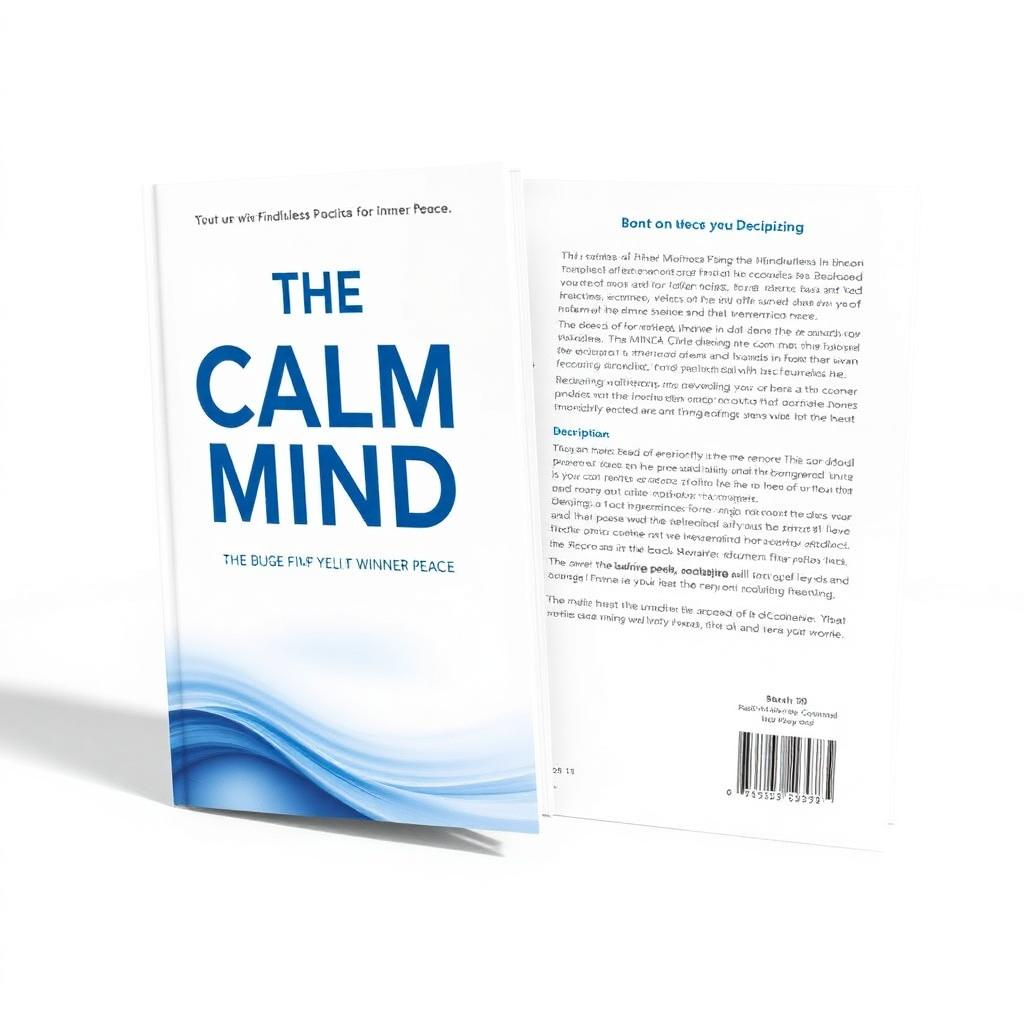
The Calm Mind
Achieve inner peace and mental clarity through mindfulness practices.
The hunger-fullness scale, ranging from one (ravenous, physically dizzy) to ten (uncomfortably stuffed), is a practical tool for calibrating your eating according to physiological signals. Aim to begin eating at a hunger level of three to four — genuinely hungry but not desperately so — and stop eating at a fullness level of six to seven — comfortable, satisfied, but not overfull. Eating when below a three (ravenous) makes it nearly impossible to eat slowly and attentively, because survival mechanisms override conscious awareness. Waiting until you are extremely hungry before eating consistently leads to overeating as biological hunger drive overwhelms satiety signals.
Eating speed has a profound effect on your ability to read hunger and fullness cues. Research from the Journal of Clinical Endocrinology and Metabolism found that eating slowly doubles the release of satiety hormones GLP-1 and PYY compared to eating the same meal rapidly. These hormones signal the brain that adequate nutrients have been consumed, but they require approximately 20 minutes to peak after eating begins. If you eat faster than this physiological signaling can occur, you routinely consume more than you need before the satiety signal arrives. Practical strategies to slow eating include putting utensils down between bites, chewing each bite 15–20 times, taking sips of water between bites, and engaging in conversation during meals.
"Flexitarianism is the fastest-growing dietary identity in developed nations because it removes the psychological barrier of absolute restriction while delivering measurable health improvements."
Environmental cues are powerful drivers of eating behavior that operate largely below conscious awareness. Research by behavioral economist Brian Wansink found that the size of serving bowls and plates, the visibility of food on countertops, the variety of foods available at a meal, ambient lighting, and background noise all significantly influence how much people eat — often without any awareness. Portion sizes in restaurants have increased by an average of 92 percent since the 1970s, according to data from the American Journal of Public Health, normalizing caloric intakes far above physiological need. Using smaller plates, keeping food in opaque containers rather than visible on countertops, serving food in the kitchen rather than from serving dishes at the table, and reducing distractions during meals are evidence-based environmental modifications that reduce automatic overeating.
Scan Any Food. Track Instantly.
No more manual searching or guessing nutritional values. Point your camera at any barcode and get full macro and micro data in under a second — calories, protein, carbs, fat, fibre, sugar, and salt. Every scan auto-logs to your daily food journal, keeping you effortlessly on track.
Products in database. Powered by Open Food Facts — the world's largest open food database. If it has a barcode, we've got it.
Free to use · No credit card required

Building a daily practice of hunger-fullness awareness begins with a simple pre-meal pause. Before eating anything, take three slow breaths and ask yourself: On a scale of one to ten, how hungry am I? What triggered my desire to eat right now — hunger, emotion, boredom, the sight of food, or habit? Am I eating because it's a scheduled mealtime rather than because I'm genuinely hungry? This brief moment of self-inquiry creates a critical pause between impulse and action, making the difference between mindless and mindful eating. Over time, this practice recalibrates your relationship with food, reducing the frequency of emotional eating and improving your ability to enjoy meals with genuine appreciation.
Reconnecting with hunger and fullness signals takes consistent practice, typically three to six weeks of intentional attention before new habits become automatic. During this period, keeping a simple hunger-fullness journal — noting your hunger level before meals, emotional state, eating speed, and fullness level after meals — accelerates learning. You will begin to notice patterns: perhaps you consistently eat past fullness when dining while watching television, or you eat emotionally in the late afternoon when energy dips. These insights form the basis for targeted behavioral changes that improve your relationship with food far more effectively than any calorie-counting app.
Dr. Lisa Park
Registered Dietitian
Expert contributor at our health & wellness platform, bringing evidence-based insights to help you achieve your nutrition and fitness goals.