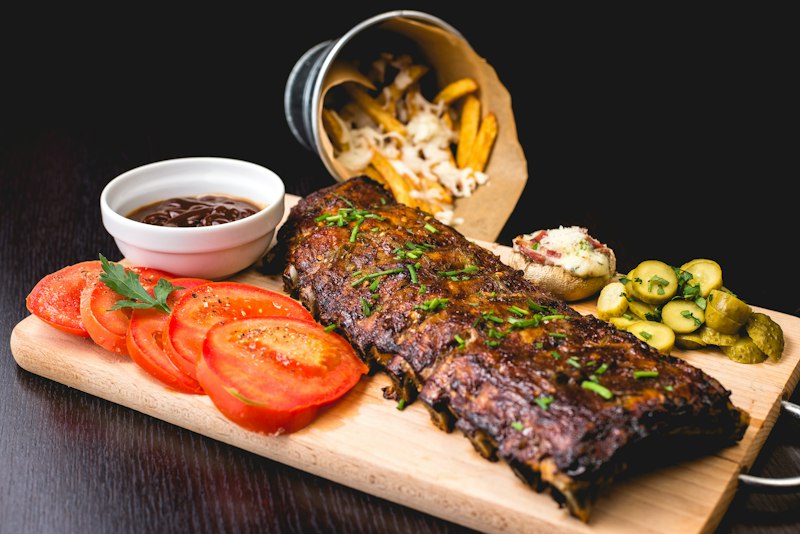
Chronic inflammation is linked to virtually every major disease. These foods can help fight it naturally.
Chronic low-grade inflammation has emerged as a unifying mechanism underlying virtually every major disease of modern civilization. Unlike acute inflammation — the beneficial, short-term immune response that helps you heal from a cut or fight an infection — chronic inflammation is a persistent, low-level immune activation that quietly damages tissues and organs over months and years. Research published in Nature Medicine described chronic inflammation as the most significant cause of death in the world, with more than 50 percent of all deaths attributable to inflammation-related diseases including heart disease, stroke, cancer, diabetes, chronic kidney disease, non-alcoholic fatty liver disease, and autoimmune and neurodegenerative conditions.
The good news is that your daily food choices have a profound influence on your body's inflammatory state. The Dietary Inflammatory Index (DII), a scoring system that rates foods based on their inflammatory or anti-inflammatory properties, has been validated in multiple large-scale studies. Research published in the Journal of the American College of Cardiology found that individuals whose diets scored highest on the pro-inflammatory scale had a 46 percent increased risk of heart disease and a 28 percent increased risk of cancer compared to those eating the most anti-inflammatory diets. Here are the foods with the strongest evidence-based anti-inflammatory properties.
1. Fatty Fish — Salmon, mackerel, sardines, herring, and anchovies are the richest dietary sources of EPA and DHA omega-3 fatty acids, which are among the most potent anti-inflammatory compounds found in any food. These omega-3s reduce the production of pro-inflammatory eicosanoids, cytokines, and reactive oxygen species. A meta-analysis published in Atherosclerosis analyzing 68 randomized controlled trials found that EPA and DHA supplementation significantly reduced blood levels of C-reactive protein, interleukin-6, and TNF-alpha — three of the most important inflammatory markers. Aim for at least two to three servings of fatty fish per week, with each serving providing about 3.5 ounces.
"Chronic low-grade inflammation is now recognised as the common thread linking heart disease, cancer, diabetes, Alzheimer's, and depression — and diet is its most powerful modulator."
Healthy Primal Living
Return to ancestral eating patterns for optimal health and vitality.
Scan Any Food. Track Instantly.
No more manual searching or guessing nutritional values. Point your camera at any barcode and get full macro and micro data in under a second — calories, protein, carbs, fat, fibre, sugar, and salt. Every scan auto-logs to your daily food journal, keeping you effortlessly on track.
Products in database. Powered by Open Food Facts — the world's largest open food database. If it has a barcode, we've got it.
Free to use · No credit card required

2-3. Berries and Cherries — Blueberries, strawberries, raspberries, blackberries, and tart cherries are packed with anthocyanins, ellagic acid, and other polyphenolic compounds that inhibit inflammatory pathways at the cellular level. A randomized controlled trial published in the Journal of Nutrition found that consuming freeze-dried blueberry powder daily for eight weeks reduced levels of the pro-inflammatory cytokines NF-kB and TNF-alpha by 25 and 28 percent, respectively. Tart cherries have received particular attention for reducing exercise-induced inflammation and muscle soreness — a study in the Scandinavian Journal of Medicine and Science in Sports found that marathon runners who consumed tart cherry juice experienced significantly faster recovery compared to a placebo group.
4-5. Extra Virgin Olive Oil and Avocados — Extra virgin olive oil (EVOO) contains oleocanthal, a phenolic compound whose anti-inflammatory action was compared to ibuprofen in a landmark study published in Nature. Researchers at the Monell Chemical Senses Center found that 50 grams of EVOO provided anti-inflammatory activity equivalent to approximately 10 percent of the adult dosage of ibuprofen. Additionally, the oleic acid in both olive oil and avocados activates anti-inflammatory gene expression and reduces oxidative stress. Avocados also provide glutathione, a powerful antioxidant that supports the body's detoxification pathways, along with vitamin E, potassium, and fiber.
"The omega-6 to omega-3 ratio in the modern Western diet has shifted from roughly 1:1 to as high as 20:1 — a dramatic imbalance that promotes systemic inflammation."
6-7. Leafy Greens and Cruciferous Vegetables — Spinach, kale, Swiss chard, collard greens, broccoli, cauliflower, and Brussels sprouts provide a diverse array of anti-inflammatory compounds including vitamins C and K, beta-carotene, sulforaphane, and kaempferol. Sulforaphane, concentrated in broccoli sprouts, activates the Nrf2 pathway — the body's master regulator of antioxidant defenses. A clinical trial published in Cancer Prevention Research found that sulforaphane supplementation reduced several markers of inflammation and oxidative stress in as little as three weeks. Aim for at least two cups of leafy greens and one cup of cruciferous vegetables daily.
8-9. Nuts and Seeds — Walnuts, almonds, flaxseeds, chia seeds, and hemp seeds provide a powerful combination of omega-3 fatty acids, vitamin E, magnesium, and polyphenols that work synergistically to combat inflammation. The PREDIMED trial found that participants who consumed 30 grams of mixed nuts daily (walnuts, almonds, and hazelnuts) had significantly lower inflammatory markers compared to the control group. Walnuts are particularly notable for containing the highest omega-3 content of any tree nut at 2.5 grams of ALA per ounce. A daily handful — approximately one ounce or 28 grams — is the amount most consistently associated with anti-inflammatory benefits in clinical research.
10-11. Turmeric and Ginger — Turmeric's active compound, curcumin, has been the subject of over 15,000 published studies documenting its anti-inflammatory, antioxidant, and anti-cancer properties. Curcumin works primarily by inhibiting NF-kB, a key transcription factor that controls the expression of pro-inflammatory genes. A meta-analysis in the Journal of Medicinal Food analyzing 15 randomized controlled trials found that curcumin supplementation significantly reduced CRP levels across diverse populations. Ginger contains gingerols and shogaols that inhibit pro-inflammatory prostaglandin synthesis. A systematic review in the journal Food and Function found that ginger supplementation significantly reduced CRP and TNF-alpha levels. Remember: curcumin bioavailability increases approximately 2,000 percent when consumed with piperine from black pepper.
"Extra virgin olive oil contains oleocanthal, a compound with anti-inflammatory activity similar to ibuprofen. Two tablespoons daily provides a meaningful anti-inflammatory dose."
12-13. Green Tea and Dark Chocolate — Green tea contains epigallocatechin gallate (EGCG), one of the most studied polyphenols in nutrition science. EGCG inhibits multiple inflammatory pathways and has been shown to reduce levels of inflammatory cytokines in both laboratory and clinical studies. A meta-analysis in the European Journal of Clinical Nutrition found that green tea consumption was associated with significant reductions in CRP and TNF-alpha. Dark chocolate containing 70 percent or more cocoa solids provides concentrated cocoa flavanols that reduce vascular inflammation and improve endothelial function. A randomized trial in the American Journal of Clinical Nutrition found that consuming 20 grams of dark chocolate every other day for two weeks significantly reduced serum CRP levels.
14-15. Tomatoes and Peppers — Tomatoes are the richest dietary source of lycopene, a carotenoid antioxidant with potent anti-inflammatory properties. Importantly, lycopene is fat-soluble and its bioavailability increases dramatically with cooking and the presence of dietary fat — cooked tomatoes in olive oil provide far more usable lycopene than raw tomatoes. A study in the British Journal of Nutrition found that consuming 200 grams of cooked tomatoes in olive oil daily for three weeks significantly reduced TNF-alpha and IL-6 levels. Bell peppers provide vitamin C (one red bell pepper contains 169 percent of the daily value) along with quercetin and luteolin, two flavonoids with direct anti-inflammatory activity.
Eat the Right Meal for Your Exact Workout.
Add multiple exercises to your upcoming session, set individual durations, and get blended fuel recommendations with metabolic scores. The AI maps each exercise type to ideal macro ratios and timing, then filters hundreds of meals for the best matches — so you perform at your peak without guesswork.
Train harder. Recover faster. The AI calculates the ideal carb-to-protein ratio and timing window so you fuel up properly and recover faster after every session.
Free to use · No credit card required
Beyond individual foods, the overall dietary pattern matters enormously for managing inflammation. The Mediterranean diet — which naturally incorporates most of the anti-inflammatory foods listed above — has the strongest evidence base of any dietary pattern for reducing chronic inflammation. A landmark study published in the New England Journal of Medicine found that the Mediterranean diet reduced inflammatory biomarkers and major cardiovascular events by approximately 30 percent compared to a low-fat control diet over five years. Anti-inflammatory eating is not about adding one magic food — it's about building a comprehensive dietary pattern rich in omega-3 fats, colorful produce, whole grains, nuts, seeds, herbs, spices, and fermented foods.
"An anti-inflammatory diet isn't about adding exotic superfoods — it's about consistently choosing whole foods over processed ones and letting the cumulative effect transform your biology."
Equally important is reducing or eliminating pro-inflammatory foods from your diet. The primary dietary drivers of inflammation include refined sugars and high-fructose corn syrup, trans fats and excessive omega-6 vegetable oils, ultra-processed foods, refined carbohydrates (white bread, pastries, white rice), excessive red and processed meat, and alcohol consumed in more than moderate amounts. A study published in JAMA found that a typical Western diet — high in processed foods, sugar, and refined carbohydrates — was associated with a 38 percent increase in CRP levels compared to a whole-foods-based diet.
Implementing an anti-inflammatory diet doesn't require perfection or dramatic overnight changes. Start by following the 80/20 principle: aim to fill approximately 80 percent of your diet with anti-inflammatory whole foods, leaving room for flexibility and enjoyment. Cook with olive oil as your primary fat, eat fatty fish two to three times per week, fill half your plate with colorful vegetables at each meal, snack on nuts and berries instead of processed snacks, season generously with turmeric, ginger, and garlic, and enjoy a square or two of dark chocolate daily. Within just a few weeks, most people notice meaningful improvements in energy levels, joint comfort, skin clarity, and overall vitality as their inflammatory burden decreases.
Dr. Sarah Chen
Food Scientist
Expert contributor at our health & wellness platform, bringing evidence-based insights to help you achieve your nutrition and fitness goals.