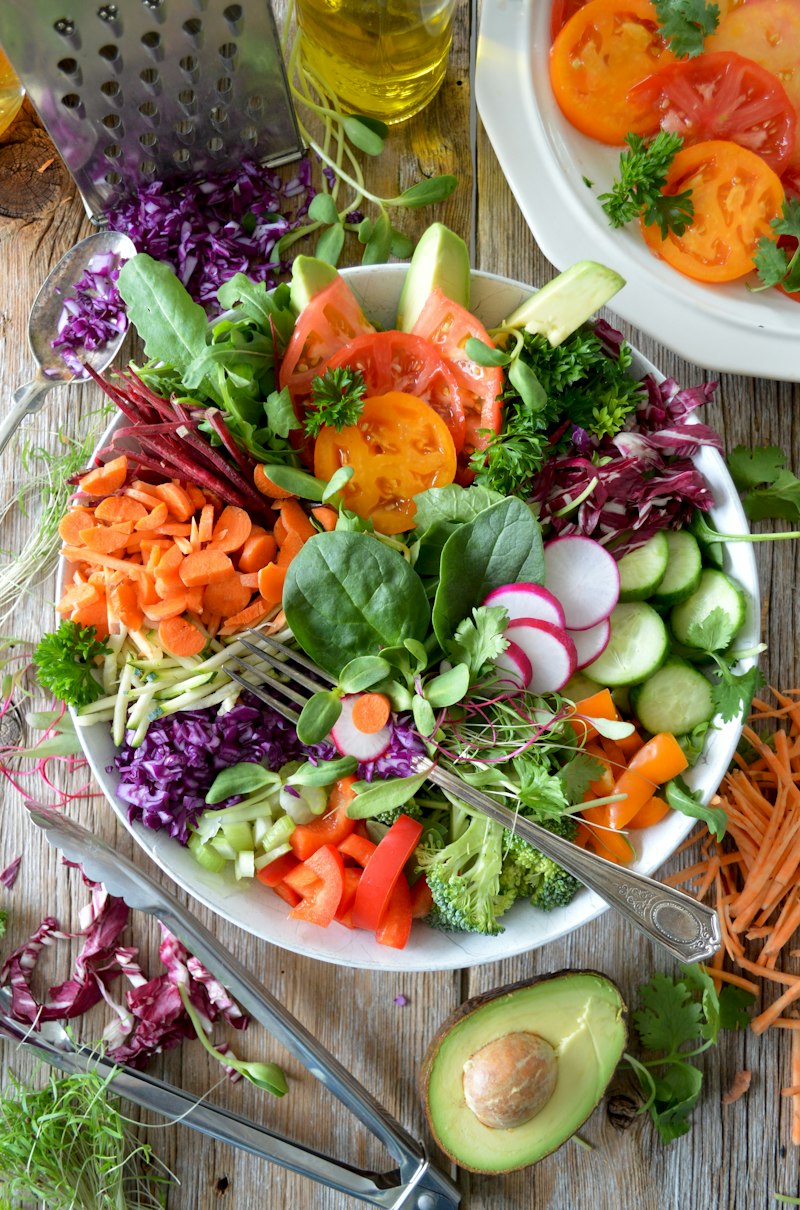
Feed your brain the nutrients it craves. These science-backed foods can improve memory, focus, and long-term brain health.
Your brain is the most metabolically demanding organ in your body. Despite accounting for only about 2 percent of total body weight, the brain consumes approximately 20 percent of your total daily calories and 20 percent of your oxygen supply. It is composed of roughly 60 percent fat by dry weight, contains approximately 86 billion neurons connected by trillions of synapses, and requires a constant and precisely regulated supply of glucose, essential fatty acids, amino acids, vitamins, and minerals to function optimally. The foods you eat directly influence your brain's structure, neurotransmitter production, synaptic plasticity, and long-term resilience against neurodegenerative disease.
Fatty fish consistently tops every evidence-based brain food list, and the science supporting this ranking is robust. Wild-caught salmon, sardines, mackerel, herring, and anchovies are the richest dietary sources of DHA (docosahexaenoic acid), the primary structural omega-3 fatty acid in brain cell membranes. DHA makes up approximately 40 percent of the polyunsaturated fatty acids in the brain and is critical for maintaining membrane fluidity, which affects the efficiency of neurotransmitter signaling between neurons. A large-scale study published in Neurology followed over 2,000 older adults for nearly six years and found that those with the highest blood levels of DHA had a 47 percent lower risk of developing dementia and a 39 percent lower risk of Alzheimer's disease compared to those with the lowest levels.
Blueberries have earned their reputation as a premier brain food through multiple randomized controlled trials. Their deep blue-purple color comes from anthocyanins — a class of flavonoid antioxidants that have the remarkable ability to cross the blood-brain barrier and accumulate in brain regions critical for learning and memory, including the hippocampus. A randomized controlled trial published in the Annals of Neurology followed 16,010 women for over 15 years and found that those who consumed two or more servings of blueberries per week experienced significantly slower rates of cognitive decline — equivalent to delaying brain aging by up to 2.5 years. A 2019 study in the American Journal of Clinical Nutrition found that daily consumption of wild blueberries improved cognitive performance, including processing speed and memory accuracy, in healthy older adults within just 12 weeks.
"For decades, dietary fat was vilified as the cause of heart disease and obesity. The science has fundamentally shifted — we now know that the type of fat matters far more than the amount."

Green Smoothie Cleanse
Revitalise your body with a powerful green smoothie cleanse programme.

🧠 You're not hungry, you're bored. Try a 2-min walk.
✅ 340 kcal under target — on track!
🌅 Skipping breakfast causes 3pm crashes. Fuel up!
🍫 Craving chocolate? That's low magnesium. Try almonds.
😤 Stressed? Don't eat — breathe 4-7-8 for 60 seconds.
We Put Your Journey on Autopilot.
Once assessed, our optional notifications act as "Just-in-Time Adaptive Interventions" (JITAI) — a digital therapist in your pocket. Behavioural scientists say lasting change happens when Motivation, Ability, and a Prompt converge at the same moment. Our coach delivers exactly that, learning from your logged meals, moods, and habits to become more accurate over time. Instead of generic reminders, Marcus sends context-aware nudges grounded in CBT — challenging the specific thought patterns that derail your progress, right when they're most likely to strike.
Your Coach Never Sleeps.
Marcus sends intelligent CBT-based push notifications that rewire your decisions in real time — challenging cognitive distortions before the damage is done.
Walnuts — which, intriguingly, even resemble miniature brains — are the nut with the strongest evidence for cognitive benefits. They are the richest tree nut source of alpha-linolenic acid (ALA), an omega-3 fatty acid, and also provide vitamin E, folate, melatonin, and polyphenols that collectively support brain health through antioxidant and anti-inflammatory mechanisms. A five-year study published in the Journal of Nutrition, Health and Aging found that higher walnut consumption was significantly associated with better cognitive function, including improved memory, concentration, and information processing speed. The Walnuts and Healthy Aging (WAHA) study, a two-year randomized trial involving 636 older adults, found that daily walnut consumption preserved brain white matter integrity, which is important for maintaining cognitive processing speed.
Dark chocolate containing 70 percent cocoa or higher is a surprisingly potent brain food. Cocoa is one of the most concentrated sources of flavanols — a subclass of flavonoids that increase cerebral blood flow, enhance neuroplasticity, and promote the formation of new blood vessels in the brain. A randomized controlled trial published in Hypertension found that regular consumption of cocoa flavanols improved cognitive function in older adults with mild cognitive impairment. The caffeine and theobromine naturally present in dark chocolate provide additional cognitive benefits by enhancing alertness, attention, and reaction time. A Harvard Medical School study found that drinking two cups of hot chocolate per day for 30 days improved blood flow to the brain and cognitive test performance in older adults with impaired cerebral blood flow.
"Your brain is approximately 60 percent fat by dry weight. Omega-3 fatty acids are literally structural components of brain cell membranes — without them, neural communication deteriorates."
Leafy green vegetables — including spinach, kale, romaine lettuce, and collard greens — are among the most protective foods for long-term brain health. A landmark study from Rush University published in Neurology tracked the dietary habits and cognitive function of 960 older adults over approximately five years and found that participants who consumed one to two servings of leafy greens daily demonstrated cognitive abilities equivalent to someone 11 years younger than those who rarely ate greens. The key brain-protecting nutrients in leafy greens include vitamin K1 (which is involved in sphingolipid metabolism — a class of fats critical for brain cell structure), lutein, folate, beta-carotene, and kaempferol, a flavonoid with neuroprotective properties.
Turmeric, a golden spice central to Indian cuisine, contains curcumin — a compound that has demonstrated remarkable neuroprotective properties in both laboratory and clinical research. Curcumin crosses the blood-brain barrier and has been shown to increase levels of brain-derived neurotrophic factor (BDNF), a growth factor that supports the survival, growth, and differentiation of neurons and promotes the formation of new synaptic connections. Low BDNF levels have been linked to depression and Alzheimer's disease. A randomized, double-blind, placebo-controlled trial published in the American Journal of Geriatric Psychiatry found that 90 milligrams of bioavailable curcumin taken twice daily for 18 months significantly improved memory and attention in non-demented adults, and PET scans revealed reduced amyloid and tau accumulation in the brain — the hallmark protein deposits of Alzheimer's disease.
Eggs, particularly the yolks, are an excellent source of several brain-critical nutrients including choline, vitamin B12, folate, and vitamin D. Choline is the precursor to acetylcholine, a neurotransmitter essential for memory, mood, and muscle control. Despite its importance, the National Health and Nutrition Examination Survey found that approximately 90 percent of Americans do not consume adequate choline. A single large egg yolk contains about 147 milligrams of choline — roughly 27 percent of the adequate intake for women and 20 percent for men. Research published in the American Journal of Clinical Nutrition found that higher choline intake was associated with better performance on verbal and visual memory tests.
"A meta-analysis of 72 studies involving over 600,000 participants found no significant association between total saturated fat intake and cardiovascular disease — challenging decades of dietary guidelines."
Fermented foods may support brain health through the gut-brain axis — the bidirectional communication system between the gastrointestinal tract and the central nervous system. Approximately 90 percent of the body's serotonin is produced in the gut, and gut bacteria produce other neuroactive compounds including gamma-aminobutyric acid (GABA), dopamine, and norepinephrine. Research from UCLA published in Gastroenterology found that women who consumed probiotic-containing yogurt twice daily for four weeks showed altered brain activity in regions controlling emotion and sensation. Fermented foods including yogurt, kefir, kimchi, sauerkraut, and miso support a diverse gut microbiome that communicates with and influences brain function.
The MIND diet (Mediterranean-DASH Intervention for Neurodegenerative Delay), developed by researchers at Rush University, combines elements of the Mediterranean and DASH diets specifically optimized for brain health. The diet emphasizes 10 brain-healthy food groups: green leafy vegetables, other vegetables, nuts, berries, beans, whole grains, fish, poultry, olive oil, and wine in moderation. It also identifies five food groups to minimize: red meat, butter and margarine, cheese, pastries and sweets, and fried or fast food. A landmark study following 923 participants for an average of 4.5 years found that high adherence to the MIND diet was associated with a 53 percent reduction in Alzheimer's disease risk. Even moderate adherence reduced risk by 35 percent.
Eat the Right Meal for Your Exact Workout.
Add multiple exercises to your upcoming session, set individual durations, and get blended fuel recommendations with metabolic scores. The AI maps each exercise type to ideal macro ratios and timing, then filters hundreds of meals for the best matches — so you perform at your peak without guesswork.
Train harder. Recover faster. The AI calculates the ideal carb-to-protein ratio and timing window so you fuel up properly and recover faster after every session.
Free to use · No credit card required
Several other foods and nutrients merit mention for their brain-supporting properties. Green tea provides L-theanine, an amino acid that promotes alpha brain wave activity associated with calm alertness. Pumpkin seeds are one of the richest food sources of zinc, magnesium, copper, and iron — all trace minerals essential for nerve signaling and neurotransmitter production. Oranges provide vitamin C, a powerful antioxidant that protects brain cells from oxidative damage — a single medium orange provides nearly all of your daily vitamin C needs. Broccoli contains high concentrations of vitamin K and several glucosinolates that have been shown to slow the breakdown of acetylcholine.
"Trans fats are the one type of fat that is unequivocally harmful. Even small amounts — as little as 2 percent of total calories — significantly increase heart disease risk."
Conversely, certain foods and dietary patterns are associated with accelerated cognitive decline and increased dementia risk. Ultra-processed foods, excessive refined sugars, trans fats, and excessive alcohol are the primary dietary threats to brain health. A 2022 study published in Neurology following over 72,000 adults found that those consuming more than 20 percent of their daily calories from ultra-processed foods experienced 28 percent faster global cognitive decline over 10 years. Chronically elevated blood sugar — even at levels below the diabetes threshold — has been associated with brain volume reduction and impaired memory in research published in Neurology.
Building a brain-healthy diet doesn't require exotic ingredients or dramatic lifestyle changes. Aim to eat fatty fish two to three times per week, include a serving of leafy greens daily, snack on a small handful of walnuts or blueberries, cook with olive oil and turmeric regularly, eat eggs several times per week, and include fermented foods as part of your daily routine. Simultaneously, minimize ultra-processed foods, added sugars, and refined carbohydrates. These dietary habits, combined with regular physical exercise, adequate sleep, stress management, and social engagement, represent the most powerful evidence-based strategy currently available for maintaining cognitive function and protecting against neurodegeneration throughout the lifespan.
Dr. Rachel Kim
Neuroscience Nutritionist
Expert contributor at our health & wellness platform, bringing evidence-based insights to help you achieve your nutrition and fitness goals.